
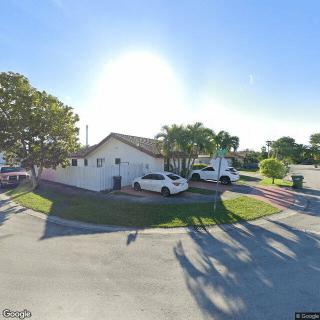
13480 South West 89Th Ter, Miami, FL 33186
For more information about senior living options: (866) 208-4318
Overall Review of ALF Family Care II
Pros
 The facility provides excellent care for the elderly.
- Meiby and her staff are welcoming, sweet, and caring to residents and their families.
- The setting feels like a family home when visitors arrive.
- The home is consistently clean and well maintained.
- There is peace of mind knowing a loved one is being well cared for.
- It offers home-cooked meals and a family-like service.
- It comes highly recommended for anyone seeking an assisted living facility (ALF).
Review
ALF Family Care II in Miami, FL is best suited for seniors who want a warm, home-like environment with intensely personalized attention. The setting operates like a family home, with the owner and staff presenting as a tight-knit team focused on the resident rather than the clock. For a senior who values consistent one-on-one interactions, familiarity, and homestyle meals, this option delivers a compelling alignment. The facility is kept clean and well maintained, reinforcing a sense of safety and routine. Families seeking a less impersonal alternative to a large assisted living campus will find the atmosphere and service level deeply reassuring.
Those with higher medical needs or dementia-specific requirements should consider alternatives. If 24/7 skilled nursing oversight, inpatient rehab, or memory care programming with structured daily schedules is essential, a bigger campus with formal teams may be preferable. Families looking for a robust social calendar, on-site therapies, or a wider range of amenities might also favor a larger community. If rapid escalation of care or access to multiple specialty clinics is anticipated, the intimate ALF model may feel restrictive. In short, this option fits best when care is personal, not procedural.
From the available feedback, the strongest advantages are the human touch and the homelike vibe. Meiby, the owner, and her staff are described as welcoming, sweet, and genuinely caring, consistently attentive to both resident and family needs. The home-like service translates into a predictable, reassuring rhythm: familiar routines, meals prepared in-house, and a tidy, well-kept environment that reduces anxiety for families. The sense of peace of mind comes from seeing a loved one treated with warmth and respect in a small setting where every detail feels under thoughtful supervision.
That personal approach can offset potential gaps in formal service breadth. In a small facility, residents benefit from quicker response times, more individualized monitoring, and stronger relationships with caregivers, which mitigates the risk of isolation or miscommunication. The family-like atmosphere tends to translate into greater transparency for relatives, who can visit and observe care easily. Home-cooked meals add nutritional comfort and consistency, often preferable to cafeteria-style options. In essence, the very strengths, personal access, continuity, and trust, make up for what a larger, more clinical operation might deliver only in parts.
Nevertheless, the smaller, intimate model carries trade-offs. The care model may rely more on family involvement and may not offer the same level of on-site medical oversight, rehabilitation options, or dementia-specific programming that a larger ALF or dedicated memory-care community provides. Residents may encounter fewer specialized services, fewer staff per day, and less variety in structured activities. Those expecting aggressive care planning, frequent therapy, or deep clinical support should have plans in place for escalation or transition if needs escalate. The key is to align expectations with the facility’s capacity.
Bottom line: ALF Family Care II is a strong fit for families who want a genuine home atmosphere with hands-on, compassionate care. It shines when personal attention, clean surroundings, and home-cooked meals matter most. It is less suitable for seniors requiring high levels of skilled nursing, memory-care programming, or a broad array of clinical services. The decision should hinge on the resident’s current needs and near-term trajectory. Where warmth and family-like engagement are the priority, this Miami ALF delivers with credibility and consistent quality; when clinical intensity or dementia-specific services are non-negotiable, exploring alternatives is prudent to avoid compromising care.
 6 resident community capacity
 Assisted Living
 Board and Care Home
 Respite Care
 Cable or satellite TV
 Dining room
 Fully furnished
 Garden
 Housekeeping services
 Move-in coordination
 Outdoor space
 Telephone
 Wi-Fi/high-speed internet available
 Miami International (11 miles away)
 24-hour supervision
 Activities of daily living assistance
 Assistance with bathing
 Assistance with dressing
 Assistance with transfers
 Diabetes diet
 Meal preparation and service
 Medication management
 Special dietary restrictions
 Transportation arrangement (medical)
 Transportation to doctors appointments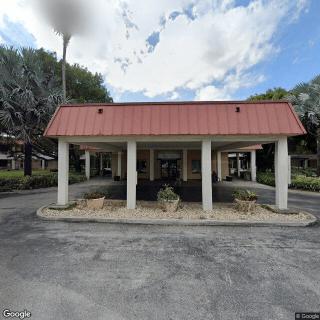



 Comprehensive Residential Support and Assisted Living Solutions for Individuals with Disabilities
 Comprehensive Supportive Living Arrangements for Adults with Disabilities
 Funding and Affording Assisted Living: A Thorough Overview