A Loving Place II

14871 South West 70Th Street, Miami, FL 33193

For more information about senior living options: (844) 490-3973

4.4 from 30 reviews
5 stars
25
4 stars
0
3 stars
0
2 stars
1
1 stars
4

Assisted Living Board and Care Home Respite Care

Overall Review of A Loving Place II

Pros

  • pro The Case Manager Yanuaria Rodriguez consistently does a great job with all the patients referred to this Home Health.
  • pro The agency is very professional and efficient in everything they do, with patients always being cared for.
  • pro They provide excellent services and are highly recommended.
  • pro The agency offers professional, efficient service, excellent customer service, and a genuine passion for taking care of patients.
  • pro ALC is prompt and friendly, with nurses who are attentive and listen to patients, aiding in loved ones' recovery.

Cons

  • pro They are not professional and make many excuses when an employee doesn't show; just horrible.
  • pro They cause patients to wait 2 to 3 months, claim they don't have prior authorization, give a run-around, and never provide the services.
  • pro They are horrible and not recommended to anyone who needs accurate, efficient services.
  • pro They pay registered nurses only $17 per hour, while potential patients may be charged around $50 per hour, prompting questions about how the savings are used for patients.

Review

A stream of comments about this Home Health agency reveals a broad spectrum of experiences, from heartfelt praise to pointed criticisms. One reviewer even foregrounds a simple practical request at the outset: they would like to have the office number. Beyond that line, the messages paint a landscape of care that can feel like a lifeline during frightening times, mixed with frustrations about timing and process. The overall tone suggests that for many patients and families, the agency represents a trustworthy ally, while for others, administrative hiccups and delays have left them frustrated and skeptical. The contrasts are sharp, but the throughline across many notes is a genuine appreciation for the people who provide care, even when the systems around them stumble.

A standout thread in the feedback centers on a specific Case Manager, Yanuaria Rodriguez. Several reviewers single her out for consistently going above and beyond for patients referred to this Home Health service. They describe her as someone who embodies dedication and professionalism, a beacon of reliability in what can otherwise be a confusing and stressful care journey. The gratitude is tangible: reviewers thank her for the steady, attentive approach she brings to patient care, and they speak of trust earned through her ongoing involvement with families and their loved ones. This emphasis on individual accountability - seeing a case manager as a key touchpoint - appears repeatedly and seems to anchor many of the more positive impressions of the agency.

Linked to the Yanuaria endorsement, other testimonials celebrate the agency as a whole for its professionalism, efficiency, and patient-centered ethos. Phrases like "I absolutely love this agency!!! Professional, efficient, excellent customer service, and passionate about taking care of their patients" appear with enthusiasm. Reviewers describe the team as professional and capable, with care that prioritizes patients. There is a sense that the organization values strong customer service, fosters a proactive approach to care, and maintains a genuine commitment to patient well-being. The sentiment is that, when the service works well, it feels seamless, competent, and genuinely caring - qualities that inspire recurring endorsements and trust.

Another cluster of comments reinforces the theme of efficiency and patient-first care. Some reviewers highlight that the agency is "Very professional" and that care comes with a focus on patients being the priority. The repeated assertion that services are delivered efficiently reinforces the sense that, for many families, the agency delivers on its promises in a way that helps patients recover and feel supported. The positive notes extend to praise for the timeliness and attentiveness of the nursing staff, with references to care that is both professional and considerate. Taken together, these remarks sketch an experience of reliable, patient-centered service that resonates deeply with those who see it firsthand.

Yet not all voices align with the glowing testimonials. A subset of reviewers recounts significant operational challenges that dampen the overall perception. They describe moments when the agency seemed unprofessional or opaque, offering excuses when staff did not show up, and they depict frustrating delays in getting services authorized. One reviewer warns of waits of two to three months and of a confusing "prior authorization" bottleneck that can feel like a barrier to timely care. Others frame the experience as a runaround or a breakdown in communication, with the implication that some patients feel left in limbo while authorization and scheduling processes drag on. This darker thread reminds readers that even highly valued care can be undermined by systemic inefficiencies.

A final dimension in the reviews centers on concerns about costs and compensation, underscoring a tension between patient-facing care and the economics of home health work. A longstanding user of the agency notes that they have found value in the service over the years, praising the promptness, friendliness, and attentiveness of the nurses. At the same time, they raise a controversial point about nurse pay, asserting that registered nurses are paid $17 per hour, and urging potential patients to consider this before assuming they will be charged higher rates - an assertion that is followed by questions about what becomes of any additional money if costs to patients rise. This financial critique suggests anxiety about pricing and transparency, and it casts a cautious light on the agency's billing practices, inviting readers to scrutinize charges and the allocation of funds as part of choosing care.

In sum, the collection of comments presents a mixed but richly textured portrait. For many, the agency is a source of real strength - team members like Yanuaria Rodriguez are celebrated for their dedication, and the organization is praised for professionalism, efficiency, and patient-first care. For others, frustrations with scheduling, authorization delays, and perceived inconsistencies in professionalism temper the experience and raise questions about process and communication. The common thread remains clear: when the care team connects with patients and families in a responsive, compassionate way, the impact is powerful and lasting; when administrative hurdles intrude, that same care can feel overshadowed by bureaucracy. Potential patients and families may find value in weighing the consistently positive encounters against the reported delays, and in seeking direct information about office contacts, authorization timelines, and transparent pricing before engaging with services.

Features

Housing

  • 6 resident community capacity 6 resident community capacity

Types of Care

  • Assisted Living Assisted LivingAssisted living facilities provide crucial support and care for seniors who may need help with daily tasks such as medication management, bathing, and meal preparation. These communities offer a safe and comfortable environment where seniors can maintain their independence while receiving the assistance they need to thrive in their golden years.
  • Board and Care Home Board and Care HomeBoard and care homes provide a smaller, more intimate setting for seniors who require assistance with daily tasks but do not need the level of care offered by a nursing home. They offer personalized care, meals, and social activities in a homelike environment, ensuring that seniors receive individualized attention and support in their golden years.
  • Respite Care Respite CareRespite care provides temporary relief for caregivers, allowing them to recharge and attend to their own needs. It also gives seniors the opportunity to socialize, receive professional care, and experience a change of scenery, promoting overall well-being and reducing feelings of isolation.

Amenities

  • Cable or satellite TV Cable or satellite TVCable or satellite TV is important for seniors because it provides entertainment, news, and companionship, helping to combat loneliness and boredom. It also offers a wide range of programming options tailored to different interests and preferences.
  • Dining room Dining roomDining rooms are important for seniors as they provide a space for socialization, connection, and nutritious meals. They offer opportunities for residents to bond over shared meals, foster a sense of community, and promote healthy eating habits. Dining rooms also ensure that seniors have access to well-balanced meals tailored to their dietary needs and preferences.
  • Fully furnished Fully furnishedFully furnished senior living communities are important for seniors because they provide convenience, comfort, and a hassle-free moving experience. Seniors can easily settle into their new living space without the stress of having to buy and move furniture. This allows them to focus on enjoying their new home and community.
  • Garden GardenGardens are important for seniors as they provide a peaceful and therapeutic environment for relaxation, physical activity, and socialization. Being in nature has been shown to reduce stress, improve mood, and promote overall well-being. Gardens also offer opportunities for seniors to engage in gardening activities, which can improve mobility, flexibility, and cognitive function. Additionally, gardens create a sense of community and connection with others who share a passion for plants and outdoor spaces.
  • Housekeeping services Housekeeping servicesHousekeeping services are important for seniors because they help maintain a clean and safe living environment, promote independence, and reduce the risk of accidents or illnesses. Additionally, having assistance with household chores can alleviate physical strain and allow seniors to focus on other aspects of their well-being.
  • Move-in coordination Move-in coordinationMove-in coordination is important for seniors because it helps ease the transition into their new living environment. It ensures that all logistics, such as packing, organizing movers, and setting up utilities are taken care of, allowing seniors to focus on settling in and adjusting to their new home. Having a smooth move-in process can alleviate stress and anxiety, making the transition smoother and more enjoyable for seniors.
  • Outdoor space Outdoor spaceOutdoor spaces are important for seniors as they provide opportunities for physical activity, social interaction, exposure to natural light and fresh air, and a sense of connection to nature. Having access to outdoor spaces can improve overall well-being and quality of life for older adults living in senior communities.
  • Telephone TelephoneTelephones are important for seniors as they provide a lifeline for communication with loved ones, emergency services, and healthcare providers. They offer a sense of security and independence, enabling seniors to stay connected and access assistance when needed.
  • Wi-Fi/high-speed internet available Wi-Fi/high-speed internet availableWi-Fi/high-speed internet is important for seniors to stay connected with loved ones, access online resources, and participate in virtual activities to combat feelings of loneliness and isolation. It also allows them to easily manage healthcare needs, access entertainment, and engage in lifelong learning opportunities.

Transportation

  • Miami International (11 miles away) Miami International (11 miles away)

Care Services

  • 24-hour supervision 24-hour supervision24-hour supervision is important for seniors to ensure their safety, well-being, and access to immediate assistance in case of emergencies or health issues. This constant support provides peace of mind for both seniors and their loved ones, allowing them to age in place with dignity and security.
  • Activities of daily living assistance Activities of daily living assistanceActivities of daily living assistance are important for seniors because they provide essential support with tasks such as eating, bathing, dressing, and mobility. This assistance helps seniors maintain their independence, dignity, and overall quality of life as they age.
  • Assistance with bathing Assistance with bathingAssistance with bathing is crucial for seniors as it helps maintain personal hygiene, prevents infections, and ensures their overall well-being and comfort. It also provides a sense of dignity and independence for seniors who may struggle with this task on their own.
  • Assistance with dressing Assistance with dressingAssistance with dressing is important for seniors because it helps maintain their independence, promotes personal hygiene, prevents accidents and injuries, and improves overall quality of life. This service ensures that seniors can continue to dress comfortably and confidently, despite any physical limitations they may have.
  • Assistance with transfers Assistance with transfersAssistance with transfers is crucial for seniors as it helps prevent falls and injuries, maintains their independence, and ensures they can safely navigate their living environment. It also provides peace of mind for both seniors and their loved ones.
  • Coordination with health care providers Coordination with health care providersCoordination with health care providers is crucial for seniors to ensure proper medical care, medication management, and overall well-being. This collaboration helps prevent overlapping treatments, track progress more effectively, and provide comprehensive support tailored to individual needs.
  • Diabetes diet Diabetes dietA diabetes diet is crucial for seniors as it helps manage blood sugar levels, reduce risks of complications, and improve overall health and well-being. By following a balanced and nutritious diet tailored to their specific needs, seniors can better control their diabetes and enhance their quality of life.
  • Meal preparation and service Meal preparation and serviceMeal preparation and service are crucial for seniors as they may have limited mobility or energy to cook nutritious meals. Having access to healthy and convenient food options can ensure they are getting the proper nutrition needed to maintain their overall health and well-being.
  • Medication management Medication managementMedication management is crucial for seniors to ensure they are taking the right medications at the correct dosages and times. This helps prevent adverse drug interactions, reduces the risk of medication errors, and promotes overall health and well-being. Proactive management also allows for adjustments as needed based on changing health conditions or new prescriptions.
  • Special dietary restrictions Special dietary restrictionsSpecial dietary restrictions are important for seniors because age-related changes in metabolism and health conditions can make it difficult for their bodies to process certain foods. By following a diet tailored to their specific needs, seniors can maintain their overall health and well-being, manage chronic conditions, and reduce the risk of complications such as malnutrition or food interactions with medications.
  • Transportation arrangement (medical) Transportation arrangement (medical)Transportation arrangements for medical purposes are essential for seniors as they may have difficulty driving themselves to appointments or accessing public transportation. Having reliable and safe transportation options ensures that seniors can receive timely medical care and maintain their health and well-being.
  • Transportation to doctors appointments Transportation to doctors appointmentsTransportation to doctors' appointments is crucial for seniors as it ensures they have access to necessary medical care and support for their health needs. Without reliable transportation, seniors may struggle to attend important appointments, leading to potential delays in treatment and health complications. Providing transportation services helps seniors maintain their overall well-being and quality of life.

Dining

  • Diabetes diet Diabetes dietA diabetes diet is crucial for seniors as it helps manage blood sugar levels, reduce risks of complications, and improve overall health and well-being. By following a balanced and nutritious diet tailored to their specific needs, seniors can better control their diabetes and enhance their quality of life.
  • Special dietary restrictions Special dietary restrictionsSpecial dietary restrictions are important for seniors because age-related changes in metabolism and health conditions can make it difficult for their bodies to process certain foods. By following a diet tailored to their specific needs, seniors can maintain their overall health and well-being, manage chronic conditions, and reduce the risk of complications such as malnutrition or food interactions with medications.

Activities

  • Community-sponsored activities Community-sponsored activitiesCommunity-sponsored activities are important for seniors as they provide opportunities for social interaction, mental stimulation, and physical activity. These activities can help improve overall well-being, combat loneliness and isolation, and promote a sense of belonging and purpose among older adults.
  • Scheduled daily activities Scheduled daily activitiesScheduled daily activities are important for seniors because they provide structure, socialization, mental stimulation, and physical activity. Engaging in regular activities can improve overall well-being and quality of life for seniors living in a community setting.

Description

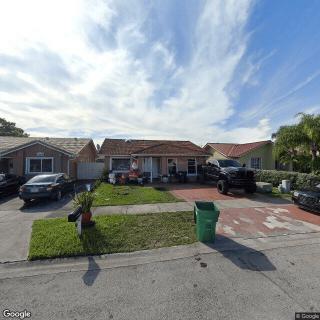
A Loving Place II is an assisted living community conveniently located in Miami, FL. We offer board and care home services as well as respite care for those who need temporary assistance. Our fully furnished facility includes a dining room where residents can enjoy delicious meals prepared by our staff. The community also features a beautiful garden and outdoor space where residents can relax and enjoy the fresh air.

We understand the importance of maintaining a clean and organized environment, which is why we provide housekeeping services to ensure that our residents are living in comfortable surroundings. Additionally, we offer move-in coordination to make the transition as smooth as possible for new residents.

At A Loving Place II, we prioritize the well-being of our residents. Our trained staff is available to assist with activities of daily living such as bathing, dressing, and transfers. We also coordinate with health care providers to ensure that all medical needs are met. For individuals with specific dietary requirements, our community offers diabetes diets and special dietary restrictions.

Transportation is made easy with our arrangement for medical transportation and transportation to doctor's appointments. This allows residents to attend their necessary appointments without any hassle.

In terms of nearby amenities, A Loving Place II has numerous options for convenient outings. There are cafes, parks, pharmacies, restaurants, and places of worship all within close proximity to our community. Residents can explore these nearby attractions or participate in our scheduled daily activities within the comfort of their home.

Overall, A Loving Place II provides a loving and caring environment where seniors can receive the support they need while enjoying a fulfilling lifestyle in Miami, FL.

Nearby Places of Interest

Restaurants

  • Burger King (0.3 miles)
  • Papa John's Pizza (0.8 miles)
  • Burger King (1.4 miles)
  • Checkers (1.5 miles)
  • McDonald's (1.9 miles)
  • Subway (1.9 miles)
  • El Rinconcito Latino (2 miles)

Parks

  • Westwind Lakes Park (0.4 miles)
  • Hammocks Park (1.1 miles)
  • Kendall Hammocks Park (1.9 miles)
  • Millers Pond Park (2 miles)
  • Southern Estates Park (3.7 miles)
  • Kendall Indian Hammocks County Park (3.9 miles)
  • Concord Park (4.3 miles)

Pharmacies

  • Walgreens (1.2 miles)
  • CVS Pharmacy (1.4 miles)
  • Walgreens (1.6 miles)
  • Walgreens (1.9 miles)
  • CVS Pharmacy (1.9 miles)
  • Navarro Discount Pharmacy (2 miles)
  • Walgreens (2.1 miles)

Cafes

  • Panera Bread (1.7 miles)
  • Moulin Rose Cake & Bakery Shop (5 miles)
  • Nespresso Boutique at Macy's (7.4 miles)
  • Panera Bread (7.5 miles)
  • Panera Bread (7.6 miles)

Places of Worship

  • King Jesus Ministry (4.6 miles)
  • Bible Truth Chapel (5 miles)
  • Our Lady of Guadalupe (7.3 miles)
  • St Thomas the Apostle Catholic Church (7.5 miles)

Physicians

  • UM Sylvester/Physicians at Kendall (5.3 miles)
  • Baptist Health Miami Cancer Institute (6 miles)
  • Valdes Rafael DDS (6.3 miles)

Hospitals

  • Jackson South Medical Center (7.4 miles)
  • Jackson South Community Hospital (7.5 miles)

Frequently Asked Questions

Where is A Loving Place II?

Nearby Communities

Related Resources

  • assisted living insuranceAssisted Living Expenses and Long-Term Care Insurance: A Comprehensive Exploration

    The article discusses assisted living expenses, the importance of long-term care insurance in covering these costs, and various financing options, highlighting the need for careful policy review and early planning to address potential needs. It also clarifies common misconceptions about Medicare and private health insurance limitations regarding long-term care coverage.

  • how to pay for assisted livingSecuring Financial Support for Assisted Living: A Comprehensive Overview

    Assisted living facilities offer crucial support for older adults needing help with daily activities but come with varying and significant costs, which can be financed through personal savings, government assistance programs, long-term care insurance, and home equity options. Professional guidance from experts can aid families in navigating these financial complexities to establish a sustainable budgeting approach for assisted living services.

  • assisted living for seniors on social securitySocial Security Benefits and Assisted Living: Navigating Options Across the U.S.

    Assisted living costs often exceed Social Security benefits, necessitating a combination of funding sources like state aid and Medicaid. Understanding the interaction between Social Security programs and available financial support is essential for affording such care.