
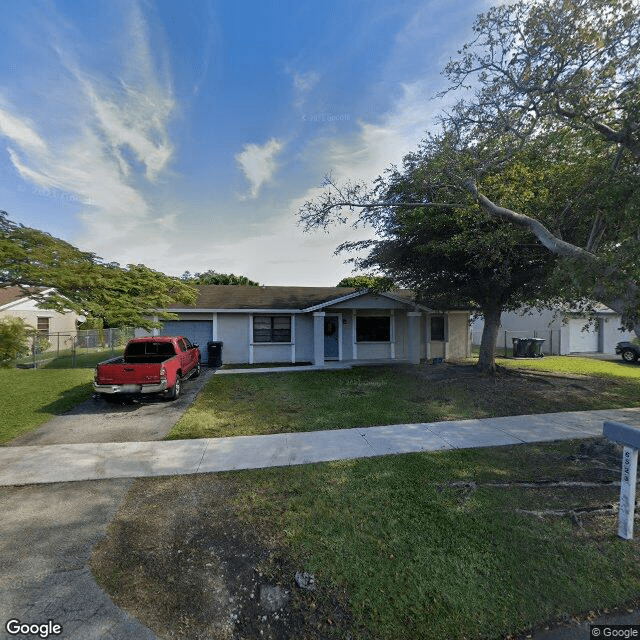
6524 Sorthwest 148th Place, Miami, FL 33193
To contact a resident: (786) 355-2630
For more information about senior living options: (866) 208-4318
Paradise Assisted Living Facility - Corporate Costs & Pricing
Paradise Assisted Living Facility - Corporate offers a competitive monthly rate for its semi-private rooms at $2,000. This cost is notably lower than the average rates within Miami-Dade County, which stand at approximately $2,250, and significantly below the overall state average of $3,009. This pricing positions Paradise Assisted Living Facility as an appealing option for families seeking quality care while remaining budget-conscious in a market where prices can quickly escalate. Such affordability combined with a commitment to resident well-being may make this facility an attractive choice for prospective residents and their families.
| Floor plans | Paradise Assisted Living Facility - Corporate | Miami-Dade County | Florida |
|---|---|---|---|
| Semi-Private | $2,000 | $2,250 | $3,009 |
Senior living communities with a similar price nearby
-
About the same
Buddy's Place
$2,000 / month11.9 miles away -
About the same
Care and Love Retirement Home
$2,000 to $2,500 / month13.9 miles away -
from -$200 / mo
Magnet Adult Home South
$1,800 to $3,500 / month15.2 miles away -
from +$220 / mo

Miami Jewish Home & Hospital for the Aged
$2,220 to $7,500 / month17.2 miles away -
About the same
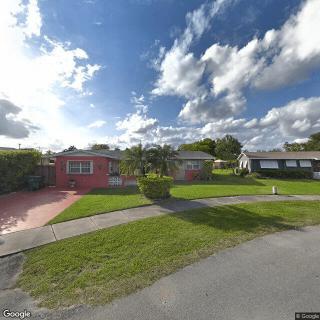
Valdes Retirement Home, Inc
$2,000 / month5.4 miles away
Overall Review of Paradise Assisted Living Facility - Corporate
Pros
 The staff are great.
Cons
 They were told "No English" and hung up on.
- They called to speak with their mother, but were told no English and hung up.
- They described the place as terrible and recommended finding another place.
Review
Paradise Assisted Living Facility - Corporate in Miami is best suited for English-speaking residents who want a staffed, actively maintained living environment and can tolerate occasional gaps in family communication. The strongest positive signal in the limited reviews is that on-site staff appear attentive and caring, and the facility presents a well-kept, orderly atmosphere when interactions occur. For families prioritizing a straightforward, predictable daily experience with caregivers who visibly engage residents, this community can deliver steady day-to-day support. However, that favorable impression hinges on a narrow dimension of care and does not compensate for significant communication risks that color the overall value proposition.
Those who should consider alternatives are families that require reliable, proactive updates and easy, multilingual communication with the facility. The most troubling notes describe language barriers and abrupt, non-responsive contact attempts, reports of staff saying “No English” and hanging up when relatives try to reach a loved one. Such experiences are not minor inconveniences; they undermine trust, create uncertainty about a resident’s wellbeing, and complicate emergency planning. For families navigating medical changes, feeding schedules, or medication adjustments from afar, this level of disconnect can be a decisive drawback.
The positive elements, visible care from staff and a tidy, well-run environment, do not fully offset the dominant concerns. On-site personnel can meet daily needs and offer companionship, yet the inability to obtain timely information from the outside world destabilizes the perceived safety and oversight of the resident. The dissonance between a caring daily routine and opaque or unresponsive communication channels means families must assume a higher level of risk. In practical terms, the facility may perform adequately in routine operations, but it falls short on the critical prerequisite of dependable family updates.
Language barriers amplify the risks in ways that go beyond courtesy or convenience. If family members cannot confirm a loved one’s status, receive timely updates, or understand changes in care plans, that ambiguity can escalate into anxiety and miscoordination with medical providers. The two 1-star reviews explicitly frame communication as the central flaw, and even the most favorable staff interactions can be undermined if the channel to families remains unreliable. Prospective residents should probe whether there is multilingual support, a formal process for rapid updates, and a designated point person for family communications.
Decision-making should start with a direct, concrete test of communication processes. Schedule a call with a supervisor to verify language capabilities, response times, and the existence of a written policy for family updates. Ask for structured family liaison support, guaranteed English-speaking staff availability, and a clear escalation path for urgent inquiries. Inquire about staffing ratios, shift coverage, and whether there is a system for real-time updates when a resident’s condition changes. Look beyond the short-term impression and request references or examples of how communication issues were resolved in the past.
In practical terms, Paradise Assisted Living Facility should be approached with caution by families that demand reliable, multilingual communication and transparent, timely updates. For residents who are fluent in English, comfortable with on-site staff, and can tolerate occasional communication gaps without distress, the community may still offer a reasonable living option with caring caregivers. Yet for families where dependable, proactive communication is a non-negotiable criterion, exploring alternatives, especially facilities with robust language support and dedicated family liaison pathways, is strongly advisable. The ultimate choice should rest on demonstrable, predictable communication practices as much as on the visible care delivered inside the living spaces.
 Board and Care Home
 Cats allowed
 Dogs allowed
 Activities off-site
 Beautician on-site
 Devotional services on-site
 Indoor common areas
 Outdoor common areas
 Respite or short term stays offered
 Wheelchair accessible showers
 Miami International (11 miles away)
 Medication management
 Meals provided


 Recognizing the Journey: Understanding and Navigating Anticipatory Grief
 Encouraging Participation in Adult Day Care: A Guide to Supporting a Hesitant Parent
 Comprehensive Exploration of Living Wills and Other Advance Directives