
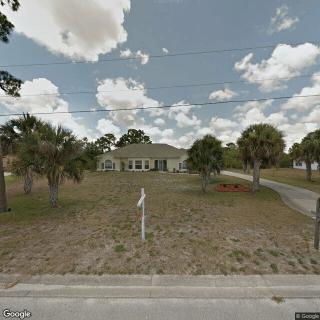
3610 Manassas Avenue, Melbourne, FL 32934
For more information about senior living options: (866) 208-4318
Platinum Oaks Assisted Living Facility Costs & Pricing
Platinum Oaks Assisted Living Facility offers private rooms at a monthly rate of $4,500, positioning it above the average costs for both Brevard County and the broader state of Florida. In Brevard County, the typical cost for similar accommodations stands at approximately $3,663, while the state average is slightly higher at around $3,699. This indicates that Platinum Oaks provides a premium environment and level of care that may justify the increased investment for those seeking enhanced services or amenities in their assisted living experience.
| Floor plans | Platinum Oaks Assisted Living Facility | Brevard County | Florida |
|---|---|---|---|
| Private | $4,500 | $3,672 | $3,699 |
Overall Review of Platinum Oaks Assisted Living Facility
Pros
 Platinum Oaks provides an unmatched level of care.
- The staff uphold the highest integrity while caring for residents.
- Residents are treated as kings with attentive, personalized care.
- The home operates as a family, with meals together, games, and shared activities.
- The level of trust with the staff is remarkable; they are angels among us.
- The care feels intimate and personalized in a small home atmosphere with extra attention.
- The staff go above and beyond to keep residents content and satisfied.
- The care team makes life comfortable through difficult times, with love and attention.
- The atmosphere is warm and friendly, with residents in great shape.
- The owner is amazing and truly cares for clients.
Cons
 They would never put anyone they loved there.
- Her mother was not happy with the staff, the accommodations, or the food.
- They felt that there were better options elsewhere.
Review
Platinum Oaks Assisted Living Facility in Melbourne, Florida, is best suited for families seeking a small, home-like environment where residents receive exceptionally attentive, individualized care from staff who become trusted companions. It excels for seniors who thrive on intimate routines, shared meals, and daily activities that feel more like a family gathering than an institution. The setting is particularly favorable for residents with memory challenges or end-of-life needs who benefit from steady, long-tenured caregivers who know their histories and preferences. With a limited number of rooms, the community can dedicate real attention to each resident, avoiding the depersonalization common in larger campuses.
On the care front, the tone is consistently warm and principled. Reviewers repeatedly emphasize staff integrity and a genuine sense of being cared for like family. Families describe caregivers as angels, and the owner Melissa as someone who truly cares, guiding a team that goes beyond routine duties to ensure comfort and dignity. The environment supports trust, with caregivers developing meaningful relationships with both residents and their families. For families facing difficult transitions, that level of devotion can provide priceless peace of mind, particularly as needs evolve toward memory challenges and end-of-life considerations.
The small-house dynamic amplifies the advantage of personalized attention. Communal dining, shared games, and the routine of watching familiar shows help residents stay connected and engaged. Reviews highlight a culture in which residents are not merely housed but integrated into a caring, family-like atmosphere where staff remember preferences and routines, and where care plans feel inseparable from daily life. This cohesion reduces confusion and reinforces a sense of security, which matters deeply for families seeking stability during fragile health periods.
However, no option perfectly suits every scenario. One review raises a caution flag about dissatisfaction with staff, accommodations, and food, suggesting that expectations may not be met in every instance. That caveat signals a potential risk for families that place a premium on uniform, campus-wide standards. The small size, while a strength for personal attention, also means fewer rooms and potentially limited choices in accommodations and menus, which can be a deal-breaker for residents who expect a broader array of options or more extensive on-site services.
For those weighing alternatives, it helps to map priorities against what Platinum Oaks delivers. If robust medical oversight, a wide spectrum of therapies, a large social calendar, or more private rooms are non-negotiable, a bigger, more clinical facility may be preferable. Conversely, if the priority is undeniable warmth, consistent staffing, and a homelike daily cadence that treats residents as part of a family, Platinum Oaks stands out. The decisive factor is whether the loved one will flourish in a small environment with low turnover and deep relationships, or whether a larger campus with broader services is essential.
In practical terms, Platinum Oaks is a compelling choice for families prioritizing relational care, dignity, and a steady, homelike daily rhythm. It is less ideal for those demanding extensive on-site medical programming, expansive accommodations, or a vast activity schedule. Prospective families should schedule a visit, meet current residents and families, and ask pointed questions about staffing patterns, dementia care specifics, room availability, and menu options. If those align with expectations, the path to choosing Platinum Oaks becomes clear; if not, a candid comparison with larger facilities will help prevent compromising on comfort and care.
 5 resident community capacity
 Assisted Living
 Board and Care Home
 Cable or satellite TV
 Dining room
 Fully furnished
 Garden
 Housekeeping services
 Move-in coordination
 Outdoor space
 Private
 Telephone
 Wi-Fi/high-speed internet available
 Melbourne International (5 miles away)
 24-hour supervision
 Activities of daily living assistance
 Assistance with bathing
 Assistance with dressing
 Assistance with transfers
 Diabetes diet
 Meal preparation and service
 Medication management
 Special dietary restrictions
 Transportation arrangement (medical)
 Transportation to doctors appointments





 Assisted Living Support for Veterans: A Complete and Detailed Overview
 Exploring the Contrasts Between Assisted Living and Skilled Nursing
 8 Key Indicators That Suggest It May Be Time to Transition from Assisted Living to Skilled Nursing Care