
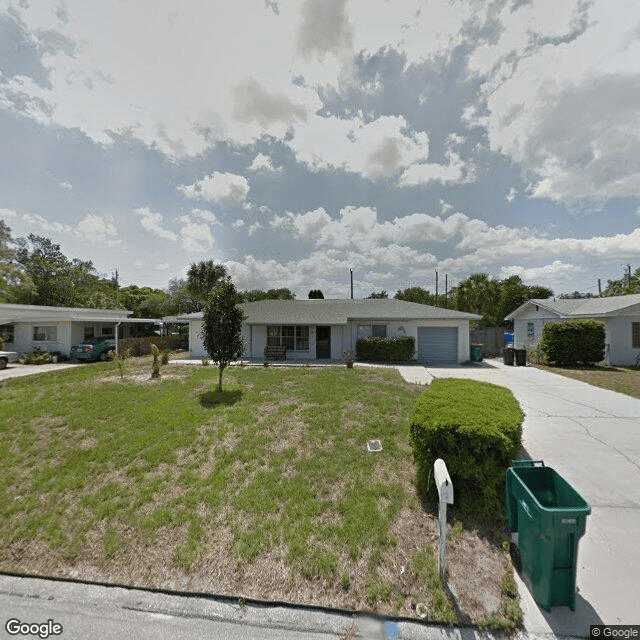
649 Denise Dr, Melbourne, FL 32935
To contact a resident: (321) 253-9864
For more information about senior living options: (866) 208-4318
Overall Review of Joan Stutmann's Harvest Home I
Pros
 Autumn House is incredible.
 - The staff has created a culture of caring that is unparalleled.
- Autumn House makes its residents a top priority.
- Autumn House provides quality care with highly qualified physicians and care staff, offering individualized programs to maximize quality of life.
- Joy and Jane are wonderful and care about every resident.
- Autumn House is amazing and provides 24-hour nursing care with well-trained caregivers.
- Autumn House focuses on residents with cognitive impairment and provides exceptional, resident-centric care that keeps residents engaged.
- The entire staff and premises go all out to ensure the safety and comfort of the residents.
Cons
 The facility caused more harm than help, marked by negligence, misdiagnosis, and silence.
- There was little to no communication, and after three weeks they had changed only one medication.
- Diagnoses of vascular dementia and Alzheimer's were made without any cognitive tests or scans.
- A critical mental health medication went missing, and a bag of medications remained in the facility after discharge.
- The staff restricted the resident’s independence and diminished his dignity.
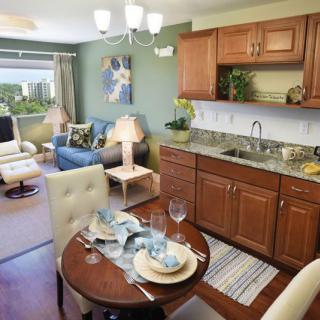
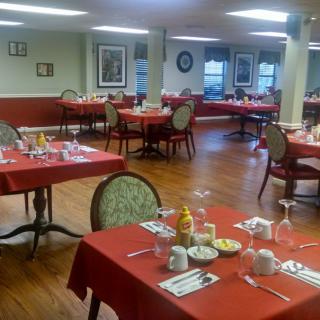
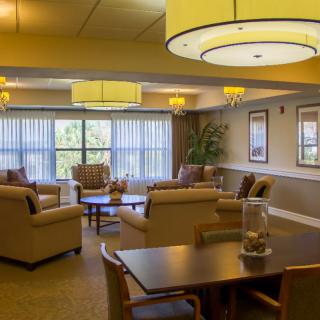
- The building was run down, with cramped and confining common areas.
- There were reports of racism and coercive treatment by staff.
- Visitation was restricted for family members who did not agree with the facility.
Review
Harvest Home I in Melbourne, FL is best suited for families facing very tight budget constraints who are prepared to take an active, hands-on role in oversight. The community does not emerge as a strong fit for residents with dementia or other complex medical needs, nor for families seeking consistent medical stabilization or reliable, clear communication from the care team. In practice, the strongest signal is that stabilization and medication management require vigilant, independent monitoring from relatives or a trusted healthcare partner, something that appears inconsistent at Harvest Home I.
On the positive side, a few mercies stand out in the tapestry of reviews: a note that the activities director can be a meaningful bright spot and that the staff, where engaged, treats residents with kindness. One caregiver describes the atmosphere as reasonably pleasant and notes that the food is acceptable. For families with relatively stable, lower-acuity residents who primarily need companionship and routine social programming, these elements may offer value. Still, these advantages do not resolve the core safety and care concerns that repeatedly surface in the accounts.
The dominant concerns, however, are grave and numerous. Families report severe lapses in medical oversight: a stabilization program that failed in practice, little to no communication, and a pattern of misdiagnosis based on review rather than objective testing. One family describes a situation where medications were not administered or reviewed for weeks, followed by an incorrect dementia diagnosis that was not supported by tests. The attending physician allegedly documented conclusions about vascular dementia and Alzheimer’s without cognitive testing, scans, or other corroborating data. The risk implicit in such omissions is not theoretical; it is tangible, with critical medications reportedly left missing or discontinued unexpectedly. Dignity reportedly erodes as independence is inappropriately restricted, and records are described as selectively shared, undermining trust and accountability.
These serious flaws overshadow the mixed positives. While some staff members may be friendly and caring, the inconsistency in medical management and communication creates a safety net that is far too thin for residents with even moderate needs. The physical environment, described as run-down, cramped, and confining, further compounds concerns about comfort, safety, and resident dignity. In short, the rewards of companionship and a pleasant demeanor do not compensate for potential medication gaps, misdiagnoses, or opaque record-keeping.
If choosing between Harvest Home I and better-supported options, the evidence tilts heavily toward alternatives for anyone facing dementia, unstable health, or requiring a formal, physician-led stabilization plan. The most compelling alternative in the area appears to be Autumn House, which is repeatedly praised for a dementia-focused, resident-centric approach, 24-hour nursing care, and a culture of genuine caring. Reviews describe Autumn House as highly attentive, with physicians and caregivers actively partner with families to tailor programs that promote safety, engagement, and quality of life. For families prioritizing reliable medical oversight, predictable communication, and programs designed around cognitive impairment, Autumn House typically presents a markedly stronger profile.
To navigate a responsible decision, pursue a disciplined due-diligence sequence. Start with a candid tour focused on medical oversight: ask for the exact stabilization protocol, credentialing and availability of the medical director, daily medication administration procedures, and a complete, current medication list with refill patterns. Require the facility to share full medical records promptly and verify the process for updating diagnoses or treatment plans with objective tests and professional input. Inspect the living spaces for safety and accessibility, and assess whether the staff-to-resident ratios realistically support 24-hour supervision and timely response. Finally, compare with Autumn House or other well-reviewed dementia-focused communities in the region, evaluating long-term outcomes, family feedback, and the presence of a sound, transparent care plan that governs both medical and personal needs.
In sum, Harvest Home I should be considered only by families who can and will closely police care, scrutinize medications, and accept the possibility of incomplete medical oversight. For those seeking dependable dementia care, rigorous clinical management, and a welcoming, well-supported environment, alternatives with proven track records, especially Autumn House, offer a much more reliable path to peace of mind and resident well-being. The decisive choice hinges on whether medical reliability and transparent communication can be achieved at Harvest Home I, because, at present, the balance leans decisively toward exploring stronger options.
 Board and Care Home
 Melbourne International (1 miles away)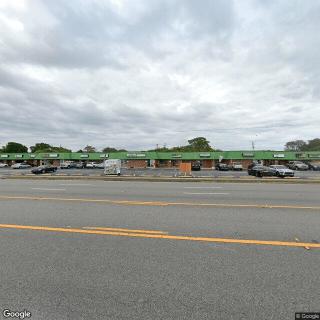



 Encouraging Participation in Adult Day Care: A Guide to Supporting a Hesitant Parent
 Comprehensive Exploration of Living Wills and Other Advance Directives
 A Detailed Exploration of Living Wills and Advance Directives