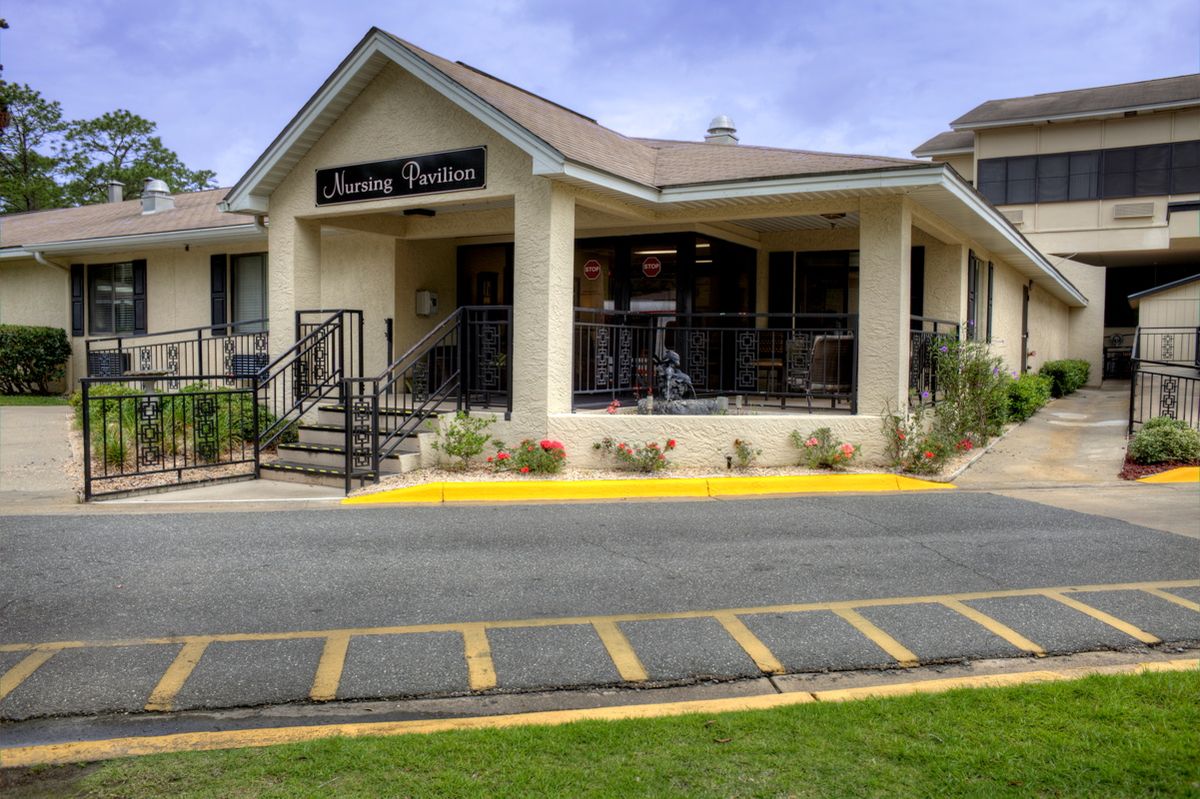

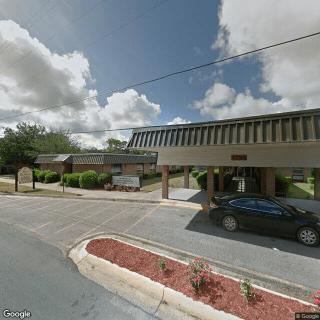
4294 3rd Avenue, Marianna, FL 32446
For more information about senior living options: (866) 208-4318
Overall Review of Chipola Health and Rehabilitation Center
Pros
 Chipola goes above and beyond to take care of their residents and to enrich their lives as much as possible.
- Her mother-in-law has been there for almost a year and is so happy; she loves the staff and has made several friends while enjoying the activities.
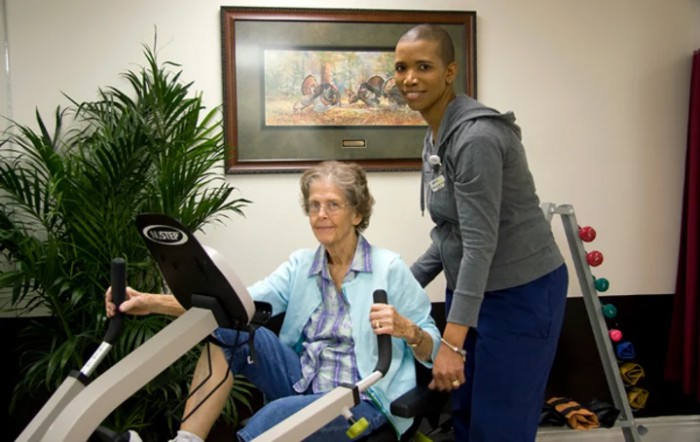
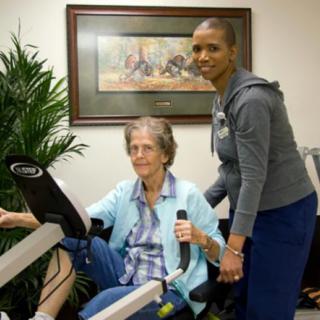
- The therapy department is amazing and has helped her reach the best of her abilities.
- The teams there are really good about communicating her health, concerns, improvements, and financials, and they are always ready to help answer questions.
- Chipola Health & Rehab is heaven-sent; the staff is exceptional and they treat residents with respect and love.
- The facility was spotless; mom smelled clean and well cared for.
- The day-to-day team knew mom by name and treated her with respect and love.
- Chipola Retirement Center employs some of the best caregivers; their friendly and caring staff give families peace of mind knowing that their mother is being looked after.
Cons
 The mother could not breathe while lying down and was left in that position for hours without a call bell.
- CNAs would change sheets while the head CNA stood by to inspect their work instead of helping.
- A CNA allegedly warned she would take out every screw from the bed.
- The facility is described as awful and said to have played a big part in the mother’s death.
- The rehab center was horribly dirty and the staff did not clean; nurses were hateful and rude.
- The facility allegedly restrained a resident against her will, left her naked with doors open, and staff were rude to family.
- Care for an incontinent resident was minimal—wiped with dry material and no warm water—leading to skin breakdown and a blood-red condition.
Review
Chipola Health and Rehabilitation Center in Marianna, Florida is best suited for families seeking a smaller, therapy-forward rehab option where skilled therapists and a hands-on staff can drive meaningful functional gains, and where memory-care resources are available on site. The facility can feel more intimate than bigger campuses, and when a resident’s care team is cohesive, families report clear communication and noticeable progress. This makes it a solid choice for short-term rehabilitation or post-acute recovery for residents who can thrive with close oversight and regular family involvement. It is not the ideal match for those who require constant, predictable supervision, or for families unwilling to engage regularly with the staff to ensure safety and quality.
Those considering alternatives should note that Chipola may fall short for residents with high needs for long-term custodial care, complex medical management, or dementia care that demands consistent, vigilant staffing and rigorous safety practices. Families facing ongoing safety concerns, a history of neglect, or persistent dissatisfaction with responsiveness should explore other facilities with stronger, more uniform staffing models and verifiable track records. Also, anyone prioritizing transparent billing, predictable wound care, and a consistently respectful environment may find more reliable alignment elsewhere.
The strongest redeeming features revolve around rehabilitation-focused strengths. The therapy department is repeatedly praised for effectiveness, and stories of health improvements and regained abilities underscore what sets Chipola apart from many peers. When families connect with staff who know the resident by name, respond promptly to concerns, and coordinate care across therapy, nursing, and administration, the value of a cohesive, resident-centered program becomes evident. For families with memory-care needs, the presence of on-site memory-care professionals provides a reassuring safety net and specialized support that is often hard to find in smaller centers.
However, the mounting concerns in many reviews cannot be ignored. Recurrent observations about neglectful or dismissive behavior, hostility from some staff, and situations where residents were left unattended or inadequately supervised raise serious red flags about basic safety. Cleanliness and housekeeping are flagged as inconsistent in some experiences, and reports of poor handling of personal care, such as inadequate assistance and questions about hygiene or dignity, point to underlying systemic gaps. Financial disputes and questions about refunds or billing practices contribute to a climate of mistrust that families should factor into any decision.
These contrasting elements translate into a practical decision framework. Prospective families should verify current staffing patterns, observe multiple shifts, and request direct conversations with front-line caregivers as well as the administrator to gauge responsiveness and accountability. It is essential to review recent state inspection outcomes and ask specifically about incidents, falls, wounds, and any restraints, then see how the facility documents and learns from those events. If memory care is needed, inquire about staff training, supervision, and the daily routines that prevent agitation and wandering.
In the end, Chipola can be an excellent choice for families prioritizing a therapy-centric rehab path in a smaller setting and who are prepared to stay actively involved to mitigate risk. For residents who require steady, high-touch, consistently respectful care and a spotless, uniformly safe environment, alternatives with more stable staffing and stronger safety records are advisable. A deliberate, in-person evaluation, visiting at different times, speaking with administrators, and comparing with nearby options, will reveal whether Chipola’s strengths align with the resident’s needs or whether another community offers a safer, more predictable long-term home.
 76 resident community capacity
 Assisted Living
 Skilled Nursing Facility
 Air-conditioning
 Beauty salon
 Cable or satellite TV
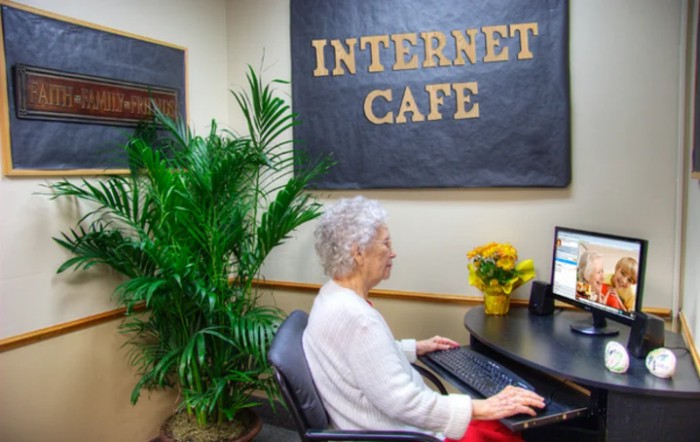
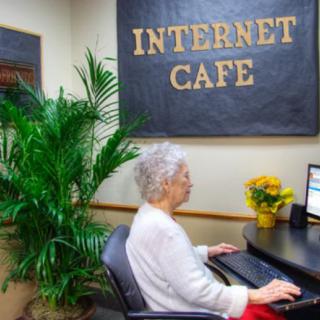
 Computer center
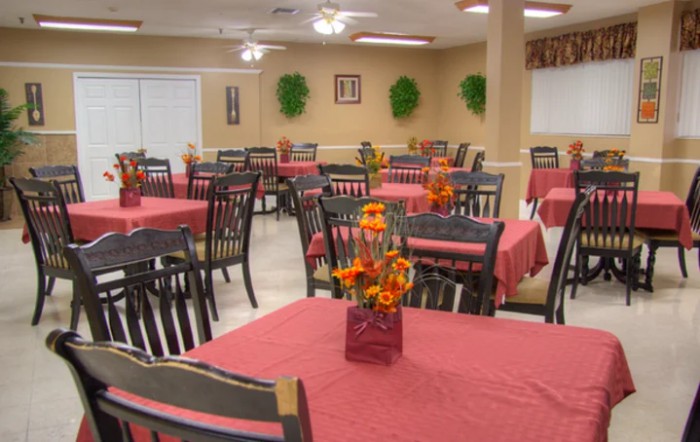
 Dining room
 Fitness room
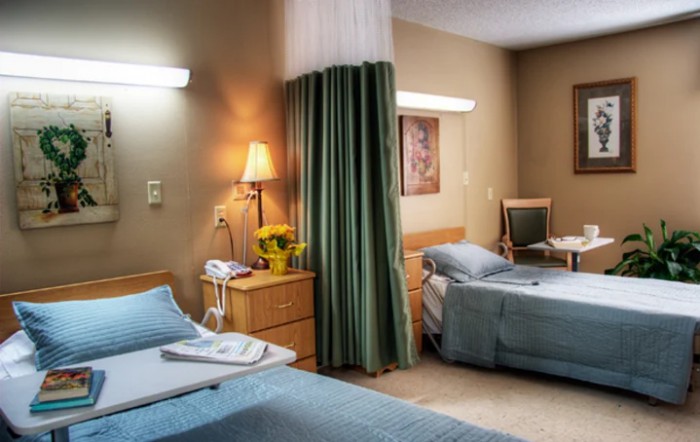
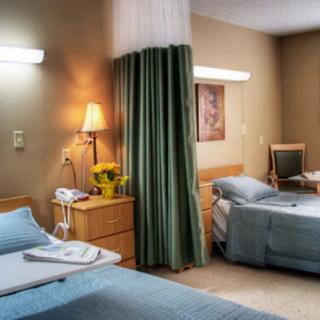
 Fully furnished
 Gaming room
 Garden
 Housekeeping services
 Kitchenette
 Move-in coordination
 Outdoor space
 Private bathrooms
 Restaurant-style dining
 Small library
 Telephone
 Wellness center
 Wi-Fi/high-speed internet available
 Community operated transportation
 12-16 hour nursing
 24-hour call system
 Activities of daily living assistance
 Assistance with bathing
 Assistance with dressing
 Assistance with transfers
 Diabetes diet
 Medication management
 Mental wellness program
 Special dietary restrictions
 Concierge services
 Planned day trips





 Understanding Medicaid Coverage for Assisted Living: A Comprehensive Guide
 How and When Medicaid May Cover Assisted Living Costs
 A Detailed Exploration of Assisted Living Medicaid Waivers Across the United States