Northwest Florida Community Hospital (SNU)

Save

  • Interior

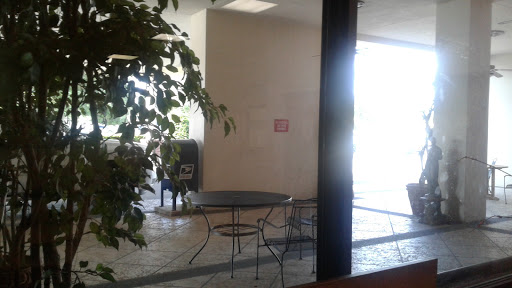
    A quiet office space with a table and chairs, complemented by a potted plant and natural light.
  • Decor

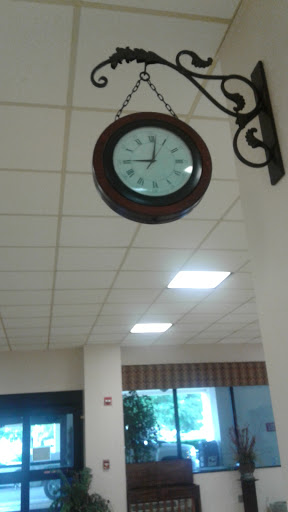
    A classic wall clock displaying the time in a well-lit interior space.
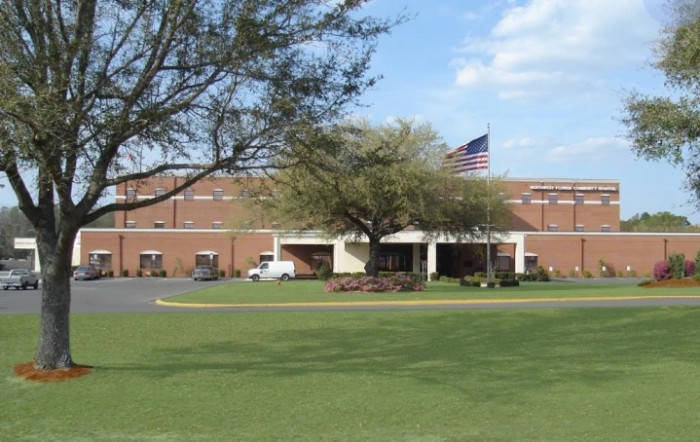
  • Building

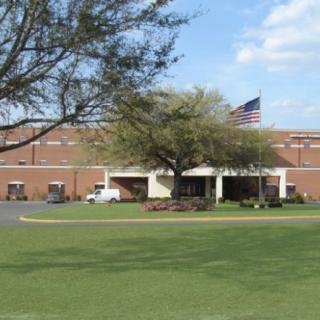
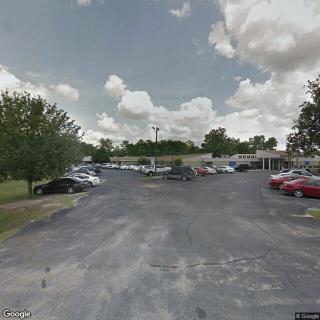
    A school building with an American flag and a tree in the foreground.
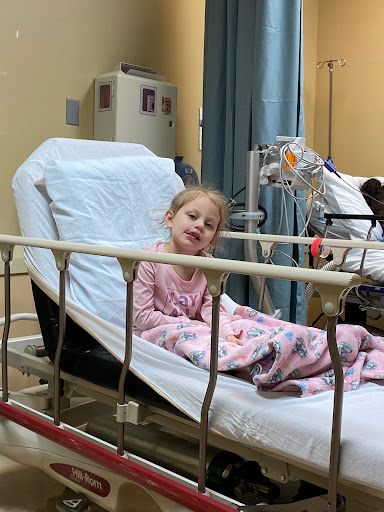
  • Bedroom

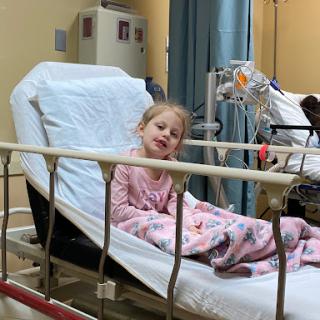
    A young child resting on a hospital bed, displaying a brave smile in a medical setting.
  • Lobby

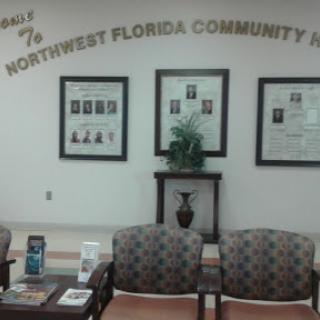
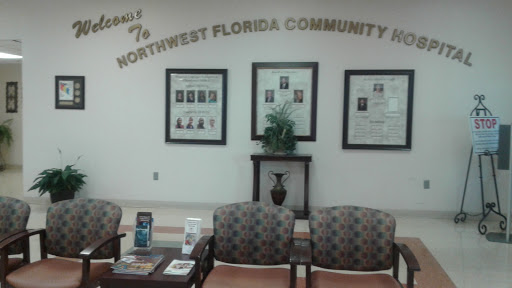
    A waiting area in Northwest Florida Community Hospital featuring comfortable chairs and framed photographs.
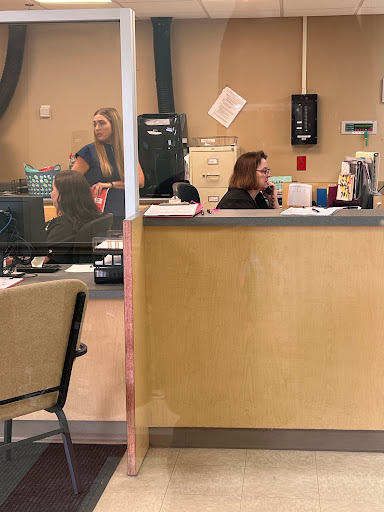
  • Office

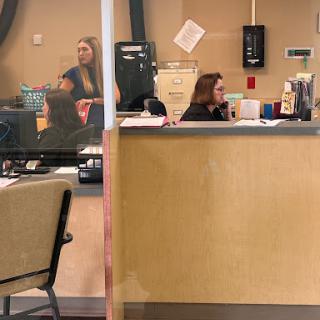
    A busy reception area with staff attending to tasks.

Northwest Florida Community Hospital (SNU)

1360 Brickyard Road, Chipley, FL 32428

For more information about senior living options: (844) 490-3973

2.8 from 100 reviews
5 stars
40
4 stars
4
3 stars
2
2 stars
7
1 stars
47

Skilled Nursing Facility

What level of care are you interested in?

Assisted Living

Memory Care

Independent Living

Skilled Nursing Facility

Continuing Care Retirement Community (CCRC)CCRC

Other


Request a tour at Northwest Florida Community Hospital (SNU)

    Overall Review of Northwest Florida Community Hospital (SNU)

    Pros

    • pro The nurses were great, friendly, and welcoming.
    • pro The doctor explained everything in detail and answered all questions.
    • pro Dr. Lachance is a terrific doctor.
    • pro He is intelligent, informative, and helps patients feel better.
    • pro The Northwest doctors seem to be in the loop and well-coordinated.
    • pro There is a great hometown feel, with staff who truly care for patients.
    • pro Veronica is outstanding and phenomenal, bringing a smile and ensuring understanding.
    • pro Monica RN and Star LPN are top-notch clinicians deserving recognition for outstanding patient care.
    • pro The night shift provided some of the best care the reviewer experienced.
    • pro The ER staff and physicians are wonderful and did a fantastic job going above and beyond.

    Cons

    • pro One reviewer stated that on a back surgery case, nurses took frequent breaks, pain medication arrived about 50 minutes late, IVs were hard to start, there were ants in the room, and the food was unsuitable and often unsafe due to allergies.
    • pro Another reviewer warned that Chipley Hospital did not treat the presenting issue and that the patient's condition worsened after leaving.
    • pro A reviewer claimed they were denied additional pain medication and refills in the ER, leaving them in excruciating pain days after the visit.
    • pro A patient described the night nurse Dan as a staff member who should be fired, calling that night the worst of their life.
    • pro A reviewer criticized the front desk staff for being on their phone and not helping, noting a coworker's dismissive attitude toward assisting the patient.
    • pro Another account described a ER incident where staff told a family to be quiet and threatened to call police, with the hospital failing to reply to a complaint while charging nearly $2,000 for an IV.
    • pro A reviewer contended that the chief of staff would not listen to the patient, preferring to distance themselves from care, and suggesting travel to another facility.
    • pro One reviewer reported that IV attempts prior to surgery damaged veins, delaying the procedure.

    Review

    A cross-section of experiences from Tallahassee to Chipley reveals a healthcare landscape with plenty of warmth and professionalism on one hand, and substantial frustrations on the other. Several reviewers highlight dentistry and surgical care delivered with patient-centered communication, while others recount delays, discomfort, and gaps in responsiveness that left them frustrated and wary. Taken together, the accounts paint a picture of a system that can feel responsive and compassionate in some moments, yet fall short in others, especially in the fast-moving, high-stakes environments of emergency rooms and night shifts.

    On the positive side, families traveling from Tallahassee and beyond often encounter nurses who are friendly, welcoming, and attentive. One parent described a dental surgery experience where the nurses were "great" and the doctor was "very nice," taking time to explain procedures in detail and answer questions. In that same vein, Dr. Lachance receives repeated praise for his approach: he is described as nearby, intelligent, and well-informed, with a track record of helping not just the patient but also relatives who were dealing with extensive injuries. The impression is that he is approachable and genuinely committed to addressing the patient's biggest issues, and that the network of Northwest doctors is perceived as well-connected and responsive to patients' needs. Within the facility ecosystem, a staff member named Shelleigh on the second floor and the night shift are singled out as particularly effective, creating a sense that some teams are highly coordinated and supportive even when the overall system feels strained at times.

    Beyond this overarching warmth, other reviews illuminate a more uneven reality. A patient who underwent back surgery described a string of care gaps that marred the experience: nurses who slipped into breaks more often than expected, pain medications arriving late, a urine bag and other supplies not being changed promptly, and even ants in the room. The patient faced slow IV administration, long waits for basic dietary needs, and repeated delays before confirming what could be eaten or drunk. They noted that the daytime staff had some strengths, but the night shift stood out as the least satisfactory part of their stay. The account serves as a stark reminder that in critical moments, timely pain management and consistent bedside care are essential, and lapses in these areas can leave patients feeling neglected when they are most vulnerable.

    There is also a cautionary thread about avoiding certain facilities when serious illness strikes. One reviewer described a severe worsening of symptoms after a visit to Chipley Hospital, contrasting it with a quick, accurate diagnosis obtained at Marianna Jackson Hospital when the doctor correctly identified the problem by simply lifting the patient's shirt. The unambiguous takeaway was a strong warning to consider other options in the region if life-threatening or rapidly evolving conditions are involved, underscoring the variability in diagnostic acumen and readiness that patients experience in different institutions.

    Nevertheless, Chipley and its surrounding facilities are not uniformly painted as negative environments. In another set of reviews, the same Chipley ecosystem earns praise for its nursing staff, who are described as some of the most professional and compassionate in the area. One patient commends the "sweetest and most professional" nurses in Chipley, expressing genuine admiration for their care and generosity, even noting that several staff members deserved recognition and appreciation in the form of flowers or a raise. The sentiment here is that the core caregiving team - despite the building's outdated condition - delivers remarkable human warmth and steadiness that helps patients feel safe and attended to.

    Another positive note centers on emergency department experiences shaped by credible, capable teams. A reviewer who identifies as a seasoned ER nurse described a Critical Access Hospital as "Amazing" for true emergency care, highlighting two nurses (Monica RN and Star LPN) as exceptional. The writer praised the nurses' stability, clinical skill, and willingness to "go above and beyond" to stabilize a patient, with the physician also receiving favorable recognition. The account emphasizes the importance of efficient triage, stabilization, and seamless transfer when higher-level care is necessary, and it ends with gratitude for the team's competence and compassion in a high-stakes setting.

    The more volatile edge of the ER narrative is also present. One account describes a wait-room scene that spiraled into tension, with a front-desk staff member preoccupied with a phone and a patient's family feeling compelled to intervene to get help. The reviewer - an emergency responder with a service-background - expressed disappointment in how the situation was handled, including a decision to involve the police after feeling the staff did not respond quickly enough to a life-threatening moment. The episode illustrates how even within a system that houses dedicated professionals, breakdowns in communication and responsiveness can escalate into public, emotionally charged encounters that color people's memories of a place.

    A separate, emotionally charged vignette centers on a patient's experience in the hospital environment where interpersonal care felt lacking. The reviewer described a series of interactions during a hospital stay that culminated in a sense of being dismissed or treated with a lack of empathy, including specific incidents around pain management and the handling of a family member's needs. The account also notes a billing interaction that felt disconnected from the level of care received and mentions a threat of police involvement, which together left a lasting impression of a hospital environment that could be both intimidating and confusing for families seeking comfort during difficult times.

    Across these varied experiences, the common thread is a health system capable of extraordinary warmth, competence, and connection when the right teams are in place. The most positive narratives emphasize clear communication, thorough explanations, and compassionate bedside care from both doctors and nurses. The strongest praise tends to cluster around physicians who take time to explain procedures and listen to questions, and around ER teams who stabilize patients efficiently and coordinate transfer when needed. Yet the darker notes - delays in pain relief, inconsistent night-shift performance, insufficient attention to patients' dietary restrictions, and experiences of feeling unheard or disrespected - point to systemic fragility that can undermine trust in moments when patients are most vulnerable.

    In the end, these reviews reflect a community hospital ecosystem that is capable of high-quality care and heartfelt patient engagement, but it also shows how essential it is to maintain consistent standards across shifts, ensure timely pain management and basic comfort, and preserve respectful, open lines of communication with patients and families. The takeaway is not a simple verdict but a nuanced portrait: there are moments of excellence and care that stand out, alongside persistent challenges that need attention to ensure every patient feels heard, understood, and well cared for, from the lobby to the bedside.

    Features

    Housing

    • 34 resident community capacity 34 resident community capacity

    Types of Care

    • Skilled Nursing Facility Skilled Nursing FacilitySkilled Nursing Facilities are crucial for seniors as they provide round-the-clock medical care, rehabilitation services, and assistance with daily activities. These facilities ensure that seniors receive the specialized care they need to maintain their health and well-being as they age.

    Amenities

    • Beauty salon Beauty salonBeauty salons are important for seniors because they provide a space for them to feel pampered, socialize, and maintain their personal grooming and hygiene. Regular visits to a beauty salon can help boost seniors' self-esteem and overall well-being.
    • Cable or satellite TV Cable or satellite TVCable or satellite TV is important for seniors because it provides entertainment, news, and companionship, helping to combat loneliness and boredom. It also offers a wide range of programming options tailored to different interests and preferences.
    • Dining room Dining roomDining rooms are important for seniors as they provide a space for socialization, connection, and nutritious meals. They offer opportunities for residents to bond over shared meals, foster a sense of community, and promote healthy eating habits. Dining rooms also ensure that seniors have access to well-balanced meals tailored to their dietary needs and preferences.
    • Fully furnished Fully furnishedFully furnished senior living communities are important for seniors because they provide convenience, comfort, and a hassle-free moving experience. Seniors can easily settle into their new living space without the stress of having to buy and move furniture. This allows them to focus on enjoying their new home and community.
    • Garden GardenGardens are important for seniors as they provide a peaceful and therapeutic environment for relaxation, physical activity, and socialization. Being in nature has been shown to reduce stress, improve mood, and promote overall well-being. Gardens also offer opportunities for seniors to engage in gardening activities, which can improve mobility, flexibility, and cognitive function. Additionally, gardens create a sense of community and connection with others who share a passion for plants and outdoor spaces.
    • Housekeeping services Housekeeping servicesHousekeeping services are important for seniors because they help maintain a clean and safe living environment, promote independence, and reduce the risk of accidents or illnesses. Additionally, having assistance with household chores can alleviate physical strain and allow seniors to focus on other aspects of their well-being.
    • Kitchenette KitchenetteKitchenettes are important for seniors living in senior living communities because they provide the convenience and independence of being able to prepare simple meals and snacks in the comfort of their own living space. This can help promote a sense of autonomy and well-being for seniors, allowing them to maintain some level of control over their dietary choices and daily routines.
    • Move-in coordination Move-in coordinationMove-in coordination is important for seniors because it helps ease the transition into their new living environment. It ensures that all logistics, such as packing, organizing movers, and setting up utilities are taken care of, allowing seniors to focus on settling in and adjusting to their new home. Having a smooth move-in process can alleviate stress and anxiety, making the transition smoother and more enjoyable for seniors.
    • Outdoor space Outdoor spaceOutdoor spaces are important for seniors as they provide opportunities for physical activity, social interaction, exposure to natural light and fresh air, and a sense of connection to nature. Having access to outdoor spaces can improve overall well-being and quality of life for older adults living in senior communities.
    • Restaurant-style dining Restaurant-style diningRestaurant-style dining is important for seniors because it allows them to enjoy delicious, nutritious meals in a social and upscale setting. This enhances their dining experience, promotes healthy eating habits, and fosters socialization with fellow residents, ultimately contributing to their overall well-being and quality of life.
    • Small library Small librarySmall libraries are important for seniors as they provide access to a variety of reading materials, including books, newspapers, and magazines. This can help stimulate their minds, keep them engaged, and provide a sense of community through book clubs and other social activities. Additionally, reading has been shown to improve cognitive function and overall mental well-being in older adults.
    • Telephone TelephoneTelephones are important for seniors as they provide a lifeline for communication with loved ones, emergency services, and healthcare providers. They offer a sense of security and independence, enabling seniors to stay connected and access assistance when needed.
    • Wi-Fi/high-speed internet available Wi-Fi/high-speed internet availableWi-Fi/high-speed internet is important for seniors to stay connected with loved ones, access online resources, and participate in virtual activities to combat feelings of loneliness and isolation. It also allows them to easily manage healthcare needs, access entertainment, and engage in lifelong learning opportunities.

    Care Services

    • 24-hour call system 24-hour call system24-hour call systems are important for seniors because they provide peace of mind and immediate assistance in case of emergencies. This technology ensures that help is always available, promoting safety and security for elderly individuals living alone or in assisted living facilities.
    • 24-hour supervision 24-hour supervision24-hour supervision is important for seniors to ensure their safety, well-being, and access to immediate assistance in case of emergencies or health issues. This constant support provides peace of mind for both seniors and their loved ones, allowing them to age in place with dignity and security.
    • Activities of daily living assistance Activities of daily living assistanceActivities of daily living assistance are important for seniors because they provide essential support with tasks such as eating, bathing, dressing, and mobility. This assistance helps seniors maintain their independence, dignity, and overall quality of life as they age.
    • Assistance with bathing Assistance with bathingAssistance with bathing is crucial for seniors as it helps maintain personal hygiene, prevents infections, and ensures their overall well-being and comfort. It also provides a sense of dignity and independence for seniors who may struggle with this task on their own.
    • Assistance with dressing Assistance with dressingAssistance with dressing is important for seniors because it helps maintain their independence, promotes personal hygiene, prevents accidents and injuries, and improves overall quality of life. This service ensures that seniors can continue to dress comfortably and confidently, despite any physical limitations they may have.
    • Assistance with transfers Assistance with transfersAssistance with transfers is crucial for seniors as it helps prevent falls and injuries, maintains their independence, and ensures they can safely navigate their living environment. It also provides peace of mind for both seniors and their loved ones.
    • Diabetes diet Diabetes dietA diabetes diet is crucial for seniors as it helps manage blood sugar levels, reduce risks of complications, and improve overall health and well-being. By following a balanced and nutritious diet tailored to their specific needs, seniors can better control their diabetes and enhance their quality of life.
    • Meal preparation and service Meal preparation and serviceMeal preparation and service are crucial for seniors as they may have limited mobility or energy to cook nutritious meals. Having access to healthy and convenient food options can ensure they are getting the proper nutrition needed to maintain their overall health and well-being.
    • Medication management Medication managementMedication management is crucial for seniors to ensure they are taking the right medications at the correct dosages and times. This helps prevent adverse drug interactions, reduces the risk of medication errors, and promotes overall health and well-being. Proactive management also allows for adjustments as needed based on changing health conditions or new prescriptions.
    • Mental wellness program Mental wellness programMental wellness programs are essential for seniors as they promote cognitive stimulation, emotional support, and social engagement. These programs help prevent isolation, depression, and cognitive decline, ultimately enhancing the overall quality of life for older adults.
    • Special dietary restrictions Special dietary restrictionsSpecial dietary restrictions are important for seniors because age-related changes in metabolism and health conditions can make it difficult for their bodies to process certain foods. By following a diet tailored to their specific needs, seniors can maintain their overall health and well-being, manage chronic conditions, and reduce the risk of complications such as malnutrition or food interactions with medications.
    Dining

    • Diabetes diet Diabetes dietA diabetes diet is crucial for seniors as it helps manage blood sugar levels, reduce risks of complications, and improve overall health and well-being. By following a balanced and nutritious diet tailored to their specific needs, seniors can better control their diabetes and enhance their quality of life.
    • Special dietary restrictions Special dietary restrictionsSpecial dietary restrictions are important for seniors because age-related changes in metabolism and health conditions can make it difficult for their bodies to process certain foods. By following a diet tailored to their specific needs, seniors can maintain their overall health and well-being, manage chronic conditions, and reduce the risk of complications such as malnutrition or food interactions with medications.

    Activities

    • Community-sponsored activities Community-sponsored activitiesCommunity-sponsored activities are important for seniors as they provide opportunities for social interaction, mental stimulation, and physical activity. These activities can help improve overall well-being, combat loneliness and isolation, and promote a sense of belonging and purpose among older adults.
    • Resident-run activities Resident-run activitiesResident-run activities are important for seniors as they encourage social interaction, creativity, and a sense of autonomy. These activities empower seniors to stay engaged and active in their community while fostering meaningful connections with their peers.
    • Scheduled daily activities Scheduled daily activitiesScheduled daily activities are important for seniors because they provide structure, socialization, mental stimulation, and physical activity. Engaging in regular activities can improve overall well-being and quality of life for seniors living in a community setting.

    Description

    The Northwest Florida Community Hospital (SNU) in Chipley, FL offers a comfortable and supportive environment for seniors needing assisted living services. The community provides an array of amenities to enhance the residents' quality of life.

    Residents can enjoy their favorite TV shows with cable or satellite TV in their fully furnished rooms. There is a dining room where delicious meals are served restaurant-style, encouraging socialization and enjoyment. For those who prefer to prepare their own meals, there is a kitchenette available.

    The community takes care of housekeeping services, ensuring that the residents' living spaces remain clean and tidy. Move-in coordination assistance is provided to make the transition into the community as smooth as possible. Outdoor spaces, including a garden, offer opportunities for relaxation and fresh air.

    For intellectual stimulation, there is a small library filled with books for residents to enjoy. Wi-Fi/high-speed internet access is also available for those who want to stay connected digitally.

    The staff at Northwest Florida Community Hospital (SNU) provide 24-hour supervision and assistance with activities of daily living such as bathing, dressing, and transfers. They also ensure that residents follow diabetes diets if necessary and assist with meal preparation and service. Medication management services are provided to ensure residents take their medications as prescribed.

    The community's mental wellness program focuses on promoting emotional well-being among residents through various activities and support systems. Special dietary restrictions are accommodated to meet individual needs.

    Residents can participate in resident-run activities that encourage social interaction and engagement within the community. Additionally, scheduled daily activities are offered to keep everyone entertained and active.

    Located in Chipley, FL, the community benefits from its proximity to nearby parks, pharmacies, physicians, restaurants, places of worship, and hospitals. This ensures that residents have easy access to additional amenities and healthcare services when needed.

    Overall, Northwest Florida Community Hospital (SNU) offers a comprehensive range of amenities and care services tailored to support seniors in their daily lives, promoting independence, and a fulfilling lifestyle.

    Nearby Places of Interest

    Hospitals

    • Northwest Florida Community Hospital (0 miles)
    • Houston County Healthcare Authority (0.1 miles)
    • Community Dialysis Center (0.1 miles)
    • Doctors Memorial Hospital (8.1 miles)
    • New Vision at Doctors Memorial Hospital (8.3 miles)
    • Sleepmed Chipley Medical Center (13.6 miles)
    • Campbellton-Graceville Hospital (13.8 miles)

    Physicians

    • Southern Vascular of Panama City, LLC (0.1 miles)
    • Southern Family Healthcare (0.1 miles)
    • Chipley Medical Group (0.1 miles)
    • Family Care Assoc of NW Fla PA (0.2 miles)
    • Family Care Associates of Northwest Florida (0.2 miles)
    • Family Healthcare Of Chipley (0.2 miles)
    • Eye Center of North Florida (0.3 miles)

    Pharmacies

    • King's Discount Drugs (0.1 miles)
    • Medicine Shoppe (0.1 miles)
    • CVS Pharmacy (0.6 miles)
    • Walmart Pharmacy (1 miles)
    • Fred's Pharmacy (8.3 miles)
    • Johnsons Pharmacy (8.4 miles)
    • A Plus Pharmacy (8.4 miles)

    Restaurants

    • Subway (0.1 miles)
    • Hardee's (0.2 miles)
    • Skins & Bubbas BBQ (0.6 miles)
    • Galo Enterprises (0.6 miles)
    • Cancun's Mexican Grill (0.7 miles)
    • Arby's (0.9 miles)
    • Colonial Restaurant (1.1 miles)

    Places of Worship

    • Tabernacle of Praise (0.4 miles)
    • First Free Will Baptist Church (0.5 miles)
    • House of Prayer Worship Center (0.8 miles)
    • Yes Lord Deliverance Cogic (0.9 miles)
    • All Things New Worship Center (1.1 miles)
    • First Presbyterian Church (1.2 miles)
    • Mt Ararat Missionary Baptist Church (1.5 miles)

    Parks

    • Shivers Park (0.6 miles)
    • Blue Pond Park (1.1 miles)

    Transportation

    • U-Haul Neighborhood Dealer (8.6 miles)
    • U-Haul Neighborhood Dealer (12.8 miles)
    • U-Haul Neighborhood Dealer (13.9 miles)

    Frequently Asked Questions

    Where is Northwest Florida Community Hospital (SNU)?
    What photos are available for Northwest Florida Community Hospital (SNU) in Chipley, Florida?

    Nearby Communities

    Related Resources

    • home health nurseExploring the World of Home Health Nurses: Qualifications, Roles, and Hiring Tips

      Home health nursing is an expanding field where licensed professionals provide specialized medical care in patients' homes, addressing the needs of an aging population through personalized services like assessments and medication management. Effective collaboration with healthcare teams, cultural sensitivity, and quality assurance measures are essential for fostering trust and ensuring positive patient outcomes.

    • does medicare cover home health careNavigating Medicare Coverage for In-Home Care Services

      Medicare covers in-home health care services, which are medical and provided by licensed professionals under a physician's supervision, whereas non-medical personal assistance is generally not covered unless part of a broader skilled care plan. Eligibility for benefits depends on being homebound and needing intermittent skilled services from a Medicare-certified agency, with specific coverage limitations and additional resources available for navigating options.

    • how much does private home care cost per hourIn-Home Care Costs in 2025: A Detailed State-by-State Exploration
      In-home care is increasingly sought after by older adults for maintaining independence, with average private home care rates in 2025 varying by state and service type, reflecting geographical and local labor market influences. As demand rises, families are considering funding options like Medicaid waivers and long-term care insurance to manage costs effectively while ensuring quality care.


    Get Pricing Ask A Question Schedule A Tour Contact Senior Advisor