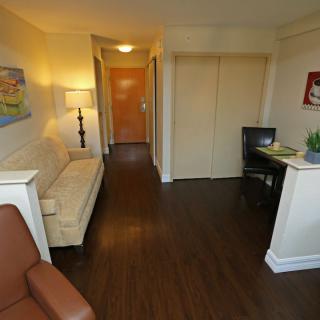
Lake Harris Inn in Leesburg, FL

701 Lake Port Boulevard, Leesburg, FL 34748

For more information about senior living options: (844) 490-3973

3.9 from 7 reviews
5 stars
4
4 stars
1
3 stars
0
2 stars
1
1 stars
1

Assisted Living Board and Care Home Continuing Care Retirement Community (CCRC) Respite Care Skilled Nursing Facility

What level of care are you interested in?

Assisted Living

Memory Care

Independent Living

Skilled Nursing Facility

Continuing Care Retirement Community (CCRC)CCRC

Other


Request a tour at Lake Harris Inn

    Overall Review of Lake Harris Inn

    Pros

    • pro The mother has calmed down and is actively engaging in therapy.
    • pro The nurses and aides are friendly, and she likes them all.
    • pro The staff are cooperative, nice, and easy to deal with.
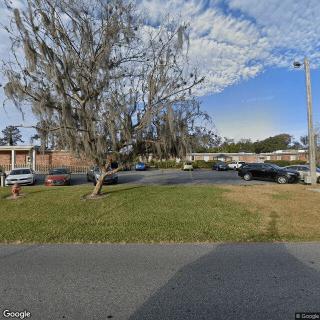
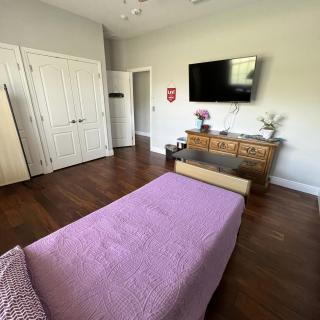
    • pro The facility looks nice and clean, with a home-like room setting.
    • pro The food is pretty good.
    • pro Weekly conference calls with the therapist, nurse, and case worker are very helpful for information.
    • pro She receives wonderful care and has made improvements through therapy.
    • pro The staff is very nice and hardworking, and the facility is pretty.

    Cons

    • pro The first week she was fighting them and not doing the therapy.
    • pro There's only one staff member she doesn't like.
    • pro There are a couple of meals she doesn't like.
    • pro She isn't involved or encouraged to participate in any daily socialization.
    • pro She is mostly in her bed 24/7.
    • pro In nearly nine months, they have yet to get her to an appointment on time.
    • pro The paperwork between the home and physician isn't read and changes and appointments are not noted.
    • pro The family fears they will lose her before locating another facility.
    • pro The food is nothing special and is just edible.

    Review

    Lake Harris Inn in Leesburg is best suited for families seeking a post-acute rehabilitation pathway with strong therapy oversight and attentive nursing care. The community is practical and action-oriented, with a clear emphasis on coordinating therapy goals with medical support. Families that want regular, concrete progress updates and a managerially straightforward care plan will find this setting sensible and efficient. The environment reads as clean and well-maintained, with rooms that feel more home-like than institutional, making it a reasonable fit for residents who respond well to structured therapy and appreciate visible staff engagement.

    However, potential residents who crave robust daily social programming or ultra-reliable daily activity schedules may want to consider alternatives. One family's experience highlighted a resident who spent most of the day in bed and did not participate in meaningful social or activity opportunities, raising questions about how well social needs are met. Another consideration is the pace and reliability of care coordination: timely appointments and medication adjustments did not appear consistently, underscoring a risk for residents with complex medication regimens or stringent follow-up requirements. For families prioritizing dynamic social engagement and consistently seamless care coordination, this community may feel uneven.

    The strongest positives at Lake Harris Inn revolve around staff relationships and therapy-driven progress. Family members consistently note friendly, hardworking staff and a welcoming, pleasant facility ambiance. The therapy team is described as effective, with visible improvements in residents' function, and there is a structured communication loop that keeps families informed: regular multi-disciplinary conference calls bring therapists, nurses, and case managers into a single discussion on progress and next steps. Clean rooms and a home-like feel further offset the anxiety of inpatient rehab, helping residents settle into recovery without the literal or psychological burden of a clinical environment.

    Nonetheless, the documented drawbacks cannot be dismissed. Some care experiences point to gaps in scheduling and medication management, including on-time appointments and timely changes to meds when doctors request adjustments. There are notes about inconsistent documentation and communication between the facility and physicians, which can leave families anxious about ongoing medical plans. Additionally, one review segment hints at limited social engagement for at least one resident, suggesting that for some, the day-to-day experience may not be as vibrant or active as hoped. These factors temper the otherwise solid clinical rehabilitation picture and warrant careful scrutiny by families.

    When weighing the decision, the rehab-focused strengths of Lake Harris Inn become the decisive factor for many families: strong therapy, visible progress, and proactive family communication can deliver meaningful recovery gains and peace of mind. If the priority is transparent progress tracking and dependable nursing support during a post-hospital recovery, this community delivers. But if social programming, consistent daily activity participation, and hyper-vigilant med management are non-negotiables, alternatives with more robust activity calendars and tighter care-coordination processes may be the safer choice.

    For families ready to evaluate, concrete next steps are essential. Arrange a tour and insist on meeting the therapy lead, the director of nursing, and a care-coordination coordinator to review a resident's individualized plan. Request recent progress notes, therapy goals, and a detailed medication plan, including how changes are communicated to the family and to the resident's physician. Inspect the room, dining options, and the activity calendar to gauge everyday vitality and engagement. Ask about the frequency of multidisciplinary conferences and how often families receive formal updates outside those meetings. Lake Harris Inn sits at a solid 3.9 rating from seven reviews, a signal that experiences vary but that, in the right fit, the community can deliver solid, practical rehabilitation with dependable staff and a reasonable home-like environment.

    Features

    Housing

    • 40 resident community capacity 40 resident community capacity

    Types of Care

    • Assisted Living Assisted LivingAssisted living facilities provide crucial support and care for seniors who may need help with daily tasks such as medication management, bathing, and meal preparation. These communities offer a safe and comfortable environment where seniors can maintain their independence while receiving the assistance they need to thrive in their golden years.
    • Board and Care Home Board and Care HomeBoard and care homes provide a smaller, more intimate setting for seniors who require assistance with daily tasks but do not need the level of care offered by a nursing home. They offer personalized care, meals, and social activities in a homelike environment, ensuring that seniors receive individualized attention and support in their golden years.
    • Continuing Care Retirement Community (CCRC) Continuing Care Retirement Community (CCRC)Continuing Care Retirement Communities (CCRCs) are important for seniors because they provide a range of housing options and care services all in one location. This allows seniors to age in place and receive the level of care they need as their health changes, without having to move to a new facility. CCRCs provide a sense of security and peace of mind for seniors and their families, knowing that they will be taken care of no matter what the future holds.
    • Respite Care Respite CareRespite care provides temporary relief for caregivers, allowing them to recharge and attend to their own needs. It also gives seniors the opportunity to socialize, receive professional care, and experience a change of scenery, promoting overall well-being and reducing feelings of isolation.
    • Skilled Nursing Facility Skilled Nursing FacilitySkilled Nursing Facilities are crucial for seniors as they provide round-the-clock medical care, rehabilitation services, and assistance with daily activities. These facilities ensure that seniors receive the specialized care they need to maintain their health and well-being as they age.

    Amenities

    • Beauty salon Beauty salonBeauty salons are important for seniors because they provide a space for them to feel pampered, socialize, and maintain their personal grooming and hygiene. Regular visits to a beauty salon can help boost seniors' self-esteem and overall well-being.
    • Cable or satellite TV Cable or satellite TVCable or satellite TV is important for seniors because it provides entertainment, news, and companionship, helping to combat loneliness and boredom. It also offers a wide range of programming options tailored to different interests and preferences.
    • Dining room Dining roomDining rooms are important for seniors as they provide a space for socialization, connection, and nutritious meals. They offer opportunities for residents to bond over shared meals, foster a sense of community, and promote healthy eating habits. Dining rooms also ensure that seniors have access to well-balanced meals tailored to their dietary needs and preferences.
    • Fully furnished Fully furnishedFully furnished senior living communities are important for seniors because they provide convenience, comfort, and a hassle-free moving experience. Seniors can easily settle into their new living space without the stress of having to buy and move furniture. This allows them to focus on enjoying their new home and community.
    • Garden GardenGardens are important for seniors as they provide a peaceful and therapeutic environment for relaxation, physical activity, and socialization. Being in nature has been shown to reduce stress, improve mood, and promote overall well-being. Gardens also offer opportunities for seniors to engage in gardening activities, which can improve mobility, flexibility, and cognitive function. Additionally, gardens create a sense of community and connection with others who share a passion for plants and outdoor spaces.
    • Housekeeping services Housekeeping servicesHousekeeping services are important for seniors because they help maintain a clean and safe living environment, promote independence, and reduce the risk of accidents or illnesses. Additionally, having assistance with household chores can alleviate physical strain and allow seniors to focus on other aspects of their well-being.
    • Kitchenette KitchenetteKitchenettes are important for seniors living in senior living communities because they provide the convenience and independence of being able to prepare simple meals and snacks in the comfort of their own living space. This can help promote a sense of autonomy and well-being for seniors, allowing them to maintain some level of control over their dietary choices and daily routines.
    • Move-in coordination Move-in coordinationMove-in coordination is important for seniors because it helps ease the transition into their new living environment. It ensures that all logistics, such as packing, organizing movers, and setting up utilities are taken care of, allowing seniors to focus on settling in and adjusting to their new home. Having a smooth move-in process can alleviate stress and anxiety, making the transition smoother and more enjoyable for seniors.
    • Outdoor space Outdoor spaceOutdoor spaces are important for seniors as they provide opportunities for physical activity, social interaction, exposure to natural light and fresh air, and a sense of connection to nature. Having access to outdoor spaces can improve overall well-being and quality of life for older adults living in senior communities.
    • Restaurant-style dining Restaurant-style diningRestaurant-style dining is important for seniors because it allows them to enjoy delicious, nutritious meals in a social and upscale setting. This enhances their dining experience, promotes healthy eating habits, and fosters socialization with fellow residents, ultimately contributing to their overall well-being and quality of life.
    • Small library Small librarySmall libraries are important for seniors as they provide access to a variety of reading materials, including books, newspapers, and magazines. This can help stimulate their minds, keep them engaged, and provide a sense of community through book clubs and other social activities. Additionally, reading has been shown to improve cognitive function and overall mental well-being in older adults.
    • Telephone TelephoneTelephones are important for seniors as they provide a lifeline for communication with loved ones, emergency services, and healthcare providers. They offer a sense of security and independence, enabling seniors to stay connected and access assistance when needed.
    • Wi-Fi/high-speed internet available Wi-Fi/high-speed internet availableWi-Fi/high-speed internet is important for seniors to stay connected with loved ones, access online resources, and participate in virtual activities to combat feelings of loneliness and isolation. It also allows them to easily manage healthcare needs, access entertainment, and engage in lifelong learning opportunities.

    Care Services

    • 24-hour call system 24-hour call system24-hour call systems are important for seniors because they provide peace of mind and immediate assistance in case of emergencies. This technology ensures that help is always available, promoting safety and security for elderly individuals living alone or in assisted living facilities.
    • 24-hour supervision 24-hour supervision24-hour supervision is important for seniors to ensure their safety, well-being, and access to immediate assistance in case of emergencies or health issues. This constant support provides peace of mind for both seniors and their loved ones, allowing them to age in place with dignity and security.
    • Activities of daily living assistance Activities of daily living assistanceActivities of daily living assistance are important for seniors because they provide essential support with tasks such as eating, bathing, dressing, and mobility. This assistance helps seniors maintain their independence, dignity, and overall quality of life as they age.
    • Assistance with bathing Assistance with bathingAssistance with bathing is crucial for seniors as it helps maintain personal hygiene, prevents infections, and ensures their overall well-being and comfort. It also provides a sense of dignity and independence for seniors who may struggle with this task on their own.
    • Assistance with dressing Assistance with dressingAssistance with dressing is important for seniors because it helps maintain their independence, promotes personal hygiene, prevents accidents and injuries, and improves overall quality of life. This service ensures that seniors can continue to dress comfortably and confidently, despite any physical limitations they may have.
    • Assistance with transfers Assistance with transfersAssistance with transfers is crucial for seniors as it helps prevent falls and injuries, maintains their independence, and ensures they can safely navigate their living environment. It also provides peace of mind for both seniors and their loved ones.
    • Diabetes diet Diabetes dietA diabetes diet is crucial for seniors as it helps manage blood sugar levels, reduce risks of complications, and improve overall health and well-being. By following a balanced and nutritious diet tailored to their specific needs, seniors can better control their diabetes and enhance their quality of life.
    • Meal preparation and service Meal preparation and serviceMeal preparation and service are crucial for seniors as they may have limited mobility or energy to cook nutritious meals. Having access to healthy and convenient food options can ensure they are getting the proper nutrition needed to maintain their overall health and well-being.
    • Medication management Medication managementMedication management is crucial for seniors to ensure they are taking the right medications at the correct dosages and times. This helps prevent adverse drug interactions, reduces the risk of medication errors, and promotes overall health and well-being. Proactive management also allows for adjustments as needed based on changing health conditions or new prescriptions.
    • Mental wellness program Mental wellness programMental wellness programs are essential for seniors as they promote cognitive stimulation, emotional support, and social engagement. These programs help prevent isolation, depression, and cognitive decline, ultimately enhancing the overall quality of life for older adults.
    • Special dietary restrictions Special dietary restrictionsSpecial dietary restrictions are important for seniors because age-related changes in metabolism and health conditions can make it difficult for their bodies to process certain foods. By following a diet tailored to their specific needs, seniors can maintain their overall health and well-being, manage chronic conditions, and reduce the risk of complications such as malnutrition or food interactions with medications.

    Dining

    • Diabetes diet Diabetes dietA diabetes diet is crucial for seniors as it helps manage blood sugar levels, reduce risks of complications, and improve overall health and well-being. By following a balanced and nutritious diet tailored to their specific needs, seniors can better control their diabetes and enhance their quality of life.
    • Special dietary restrictions Special dietary restrictionsSpecial dietary restrictions are important for seniors because age-related changes in metabolism and health conditions can make it difficult for their bodies to process certain foods. By following a diet tailored to their specific needs, seniors can maintain their overall health and well-being, manage chronic conditions, and reduce the risk of complications such as malnutrition or food interactions with medications.

    Activities

    • Community-sponsored activities Community-sponsored activitiesCommunity-sponsored activities are important for seniors as they provide opportunities for social interaction, mental stimulation, and physical activity. These activities can help improve overall well-being, combat loneliness and isolation, and promote a sense of belonging and purpose among older adults.
    • Resident-run activities Resident-run activitiesResident-run activities are important for seniors as they encourage social interaction, creativity, and a sense of autonomy. These activities empower seniors to stay engaged and active in their community while fostering meaningful connections with their peers.
    • Scheduled daily activities Scheduled daily activitiesScheduled daily activities are important for seniors because they provide structure, socialization, mental stimulation, and physical activity. Engaging in regular activities can improve overall well-being and quality of life for seniors living in a community setting.

    Description

    Lake Harris Inn in Leesburg, FL is a well-equipped assisted living community that offers various types of care including board and care home, continuing care retirement community (CCRC), respite care, and skilled nursing facility services. The community aims to provide a comfortable and supportive environment for seniors in need of assistance with daily tasks.

    Residents at Lake Harris Inn can enjoy a range of amenities to enhance their stay. Each unit is fully furnished with cable or satellite TV and includes a kitchenette for convenient meal preparation. Housekeeping services ensure that the living spaces are kept clean and tidy. The community also provides move-in coordination assistance to make the transition as smooth as possible.

    Outdoor space and a garden area allow residents to relax outdoors and enjoy nature. Restaurant-style dining options are available, providing delicious meals that cater to special dietary restrictions. A small library offers residents an opportunity for quiet reading and relaxation, while Wi-Fi/high-speed internet ensures connectivity for those who wish to stay connected digitally.

    The caring staff at Lake Harris Inn provides 24-hour supervision to ensure residents' safety and well-being. Assistance with activities of daily living such as bathing, dressing, and transfers is readily available whenever needed. Medication management is offered to ensure proper administration of medications. A mental wellness program helps promote emotional well-being among residents.

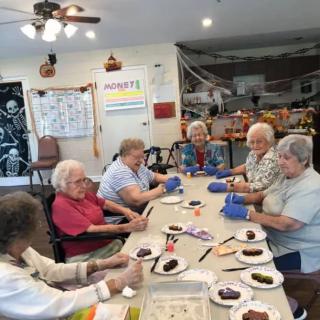
    Residents can participate in resident-run activities as well as scheduled daily activities, keeping them engaged and socially active within the community. Nearby parks, pharmacies, physicians, restaurants, theaters, hospitals, and transportation options provide convenience for residents' various needs.

    Overall, Lake Harris Inn offers a comprehensive range of services and amenities aimed at providing comfort, support, and an enriching lifestyle for seniors in Leesburg and its surrounding areas.

    Nearby Places of Interest

    Physicians

    • Dr Bindoo Narain Pediatrics (0.1 miles)
    • Syed Asma MD (0.2 miles)
    • St Francis Primary Care Clinic (0.2 miles)
    • Cardiac Specialty Institute (0.2 miles)
    • Total Eye Care Center (0.3 miles)
    • Dr Abel Rivero (0.3 miles)
    • Hearing Aid Service Of Lake Plaza (0.5 miles)

    Pharmacies

    • Adonai Pharmacy (0.2 miles)
    • Starx Pharmacy (0.3 miles)
    • Burry's Pharmacy (1.3 miles)
    • Walmart Pharmacy (1.5 miles)
    • Walgreens (1.6 miles)
    • Walgreens (2.9 miles)
    • Walgreens (4.1 miles)

    Hospitals

    • Jackson Hospital & Clinic (0.4 miles)
    • Leesburg Regional Medical Center (0.4 miles)
    • UF Health Leesburg Hospital (0.5 miles)
    • Wound Care & Hyperbaric Center (0.6 miles)
    • Leesburg Rehabilitation Hospital (1.2 miles)
    • Lrmc Nursing Center (1.2 miles)
    • Lrmc Riverside Urgent Care Center (5.8 miles)

    Parks

    • Venetian Gardens Swimming Pool (0.8 miles)
    • Lake Idamere Park (7.4 miles)

    Restaurants

    • Hardee's (1.5 miles)
    • KFC (1.8 miles)
    • Maryland Fried Chicken (1.8 miles)
    • Dq Grill & Chill (1.8 miles)
    • Wendy's (1.9 miles)
    • Wolfy's (2 miles)
    • McDonald's (2 miles)

    Transportation

    • U-Haul Moving & Storage (2.8 miles)

    Theaters

    • AMC Lake Square 12 (4.9 miles)

    Cafes

    • Starbucks (5 miles)

    Places of Worship

    • Southern Baptist Convention (7 miles)

    Frequently Asked Questions

    Where is Lake Harris Inn?

    Nearby Communities

    • Lake Port Square

      Lake Port Square

      Leesburg, FL

      4.6 from 141 reviews
       

      pro Spacious, well-maintained apartments with beautiful grounds, friendly staff, and a wide range of activities and care options.

    • Vista Lake

      Vista Lake

      Leesburg, FL

      4.3 from 109 reviews
      $1,750 to $3,200 / month

      pro Clean, welcoming environment with attentive staff and engaging activities.

    • South Campus Care Center

      South Campus Care Center

      Leesburg, FL

      3.5 from 66 reviews
       

      pro Clean facility with attentive staff.

    • Level Up Assisted Living

      Level Up Assisted Living

      Leesburg, FL


      pro Comprehensive care and amenities: meals, housekeeping, 24/7 supervision, ADL support, transportation to medical appointments, and engaging activities.

    • Mayfield Retirement Center

      Mayfield Retirement Center

      Leesburg, FL

      4.2 from 24 reviews
      $2,800 to $3,400 / month

      pro Warm, friendly staff with personalized care in a smaller, homey community and engaging activities.

    • Home Instead - Leesburg,  FL

      Home Instead - Leesburg, FL

      Leesburg, FL

      4.9 from 29 reviews
       

      pro Compassionate, reliable caregivers with professional, family-centered care and supportive management.

    • Pennbrooke Fairways

      Pennbrooke Fairways

      Leesburg, FL

      5 from 1 review
       

      pro Friendly, active 55+ community with extensive activities and resident governance.

    • Spanish Village

      Spanish Village

      Leesburg, FL


      pro Diabetic care with meals and on-site activities.

    • Regency Park

      Regency Park

      Eustis, FL

      4.4 from 69 reviews
      $2,750 to $3,550 / month

      pro Friendly staff, spacious rooms, and engaging activities.

    Related Resources

    • assisted living vs nursing homeChoosing the Right Senior Care: A Detailed Exploration of Assisted Living and Nursing Homes

      Choosing between assisted living and nursing homes involves evaluating emotional and financial factors, with assisted living offering independence and support for daily activities at a lower cost, while nursing homes provide intensive medical care for individuals with significant health needs. The decision is influenced by personal preferences, health status, cognitive function, and varying Medicaid coverage across states.

    • assisted living costUnderstanding the True Cost of Assisted Living in 2025: A Comprehensive Guide

      Assisted living in 2025 offers a crucial balance of independence and support for seniors, with costs varying from $2,500 to over $7,000 per month based on factors such as location and care level. Understanding pricing complexities, including regional differences and potential hidden fees, is essential for families to plan financially while ensuring quality care for their loved ones.

    • does medicaid pay for assisted livingUnderstanding Medicaid Coverage for Assisted Living: A Comprehensive Guide

      The guide outlines the complexities of Medicaid coverage for assisted living, highlighting significant state-to-state variations, limited coverage often restricted to personal care services, and the existence of specialized waivers for certain needs like memory care. It advises families to consult local Medicaid offices for options while emphasizing the importance of understanding state-specific regulations and facility policies.


    Get Pricing Ask A Question Schedule A Tour Contact Senior Advisor