
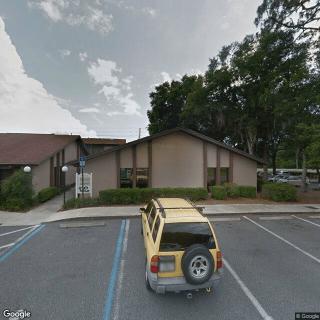
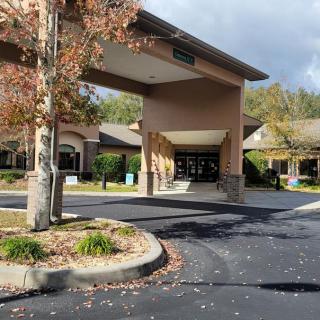
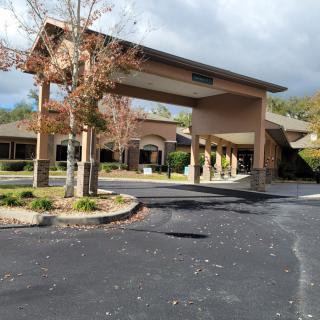
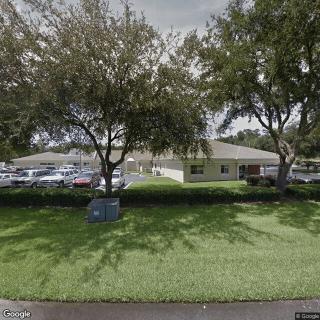
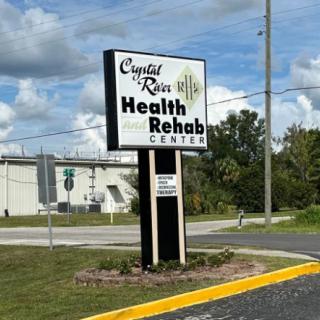
5411 West Safari Lane, Lecanto, FL 34461
For more information about senior living options: (866) 208-4318
Overall Review of Key Training Center I
Pros
 They are proud of the items they sell.
- The dollar clothing at Key Thrift stores is worth shopping for.
- They routinely find something they need at Key Thrift stores.
- They love this place and appreciate how they help people.
- They enjoy visiting Key Thrift stores and the treasure-hunt feel of uncovering new finds.
- They relish discovering items with personal significance, like a hometown coffee cup.
Cons
 They feel the prices may not meet customers' expectations.
- They note rising prices cause them to buy less.
- They decry price gouging and accuse the stores of charging eBay-like prices, calling it insulting to customers.
- They regard the store as the worst thrift store in the area, with prices that are crazy expensive and mall-like.
- They complain that cart wheels are loud and the noise drives shoppers away.
- They state the noise is unbearable for people with sensitive hearing.
Review
Key Training Center I in Lecanto is best suited for budget-minded shoppers who want to support a local, mission-driven thrift operation and who relish the chance to uncover useful finds amid a broad, ever-changing inventory. The model works best for those who view every shopping trip as a way to contribute to community programs while stocking a home with essentials at a low, if sometimes variable, cost. It is especially practical for families assembling a shopping list with a tight budget where every dollar saved can fund services in the area. The tone and purpose of the store appeal to shoppers who value a hands-on, community-oriented experience over a predictable, pristine retail environment.
Those who should consider alternatives are buyers who prize price certainty and a calm, predictable shopping trip. Several reviews flag prices as unexpectedly high for a thrift setting, with items like shoes and small appliances priced as if in a discount department store. For seniors, caregivers, or families with a strict budget, that mismatch can erode value quickly. In addition, the shopping environment can feel loud and hectic due to cart noise and crowded aisles, which may be uncomfortable for those with hearing sensitivity or a preference for quiet shopping. If steady pricing and a tranquil atmosphere are priorities, exploring other local thrift stores or discount centers is wise.
On the upside, breadth of inventory and the sense of discovery remain compelling. Shoppers repeatedly mention finding items of value, a specific coffee cup or a useful gadget, making the hunt itself worthwhile. The store’s mission-driven framework adds a meaningful layer to the purchase, and staff enthusiasm comes through in reviews, with some expressing pride in the cause and a wish to see the operation improve. For those who value contributing to community programs while they shop, the combination of variety and mission can produce real personal and social return, especially when bargains align with needs.
Yet the cons are substantial and cannot be ignored. Price levels are a recurring point of contention, with critiques framing certain items as overpriced relative to typical thrift store norms. The perception of price gouging not only dents perceived value but also undermines trust among regular donors and shoppers. Inventory turnover appears uneven, with some items lingering on shelves for long periods, which diminishes the sense of freshness and relevance. The shopping experience is further hampered by practical irritants, noisy carts and wheels, that deter longer visits and create discomfort for some customers. Taken together, these factors can erode the appeal for value-driven or sensitivity-prone shoppers.
For decision-makers, approach this community as a value option only when patience and mission alignment are present. Plan visits to observe restock cycles and to test the pricing on categories most important to the household, such as appliances, clothing, or home goods. Compare prices with other local thrift stores to determine whether the perceived value justifies the variability. Consider the broader impact: supporting a store that funds community programs can be a meaningful return if philanthropy is a priority. If quiet shopping, consistent pricing, and rapid turnover matter more, it pays to shortlist alternatives and gauge multiple stores before committing resources.
Ultimately, Key Training Center I offers a pragmatic route to outfitting a home on a modest budget for those who value discovery, community impact, and a hands-on thrift experience. The strongest appeal lies in variety and mission-driven spending, where occasional bargains can be substantial. The downsides, price variability, perceived overpricing, and sensory irritants, limit its suitability for price-conscious families and those demanding a calm shopping environment. For seniors or families weighing assisted living choices, this store can be part of a broader sourcing strategy, but it should be paired with options that deliver steadier pricing, consistent stock, and a low-stress shopping experience to ensure a well-rounded, reliable budgeting plan.
 9 resident community capacity
 Assisted Living
 Cable or satellite TV
 Dining room
 Fully furnished
 Garden
 Housekeeping services
 Move-in coordination
 Outdoor space
 Telephone
 Wi-Fi/high-speed internet available
 24-hour supervision
 Activities of daily living assistance
 Assistance with bathing
 Assistance with dressing
 Assistance with transfers
 Diabetes diet
 Meal preparation and service
 Medication management
 Special dietary restrictions
 Transportation arrangement (medical)
 Transportation to doctors appointments

 Vibrant Senior Living: A Comprehensive Guide for Active Older Adults
 When to Transition from Assisted Living to Memory Care: Key Indicators, Steps, and Finding the Right Community
 Assisted Living and Memory Care: Understanding Their Core Differences