
870 7Th Avenue Ne, Largo, FL 33770
For more information about senior living options: (866) 208-4318
Overall Review of Loving Care Assisted Living
Pros
 The staff and rooms at Loving Care Assisted Living seemed good.
- A nurse was available 24/7.
- The facility provides a dining area, a kitchenette, and a television for residents.
Cons
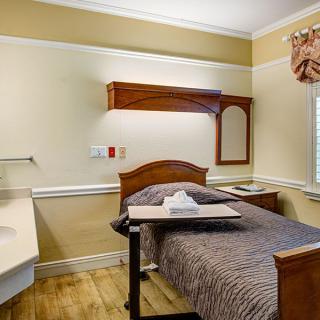
 The mom being in a shared room with another resident was not ideal.
- There was a perceived lack of communication, with a suggestion to establish a house phone to improve it.
Review
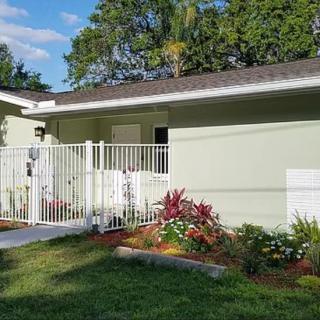
Loving Care Assisted Living in Largo is best suited for families seeking steady medical oversight in a compact, home-like setting where daily life centers on reliable staffing and routine. The facility’s strength lies in practical, dependable care: a 24/7 nursing presence and staff that residents and families can rely on, paired with a straightforward living arrangement that feels manageable rather than overwhelming. For seniors who are comfortable sharing a room and who value predictable schedules, meals in a common dining area, and basic amenities like a kitchenette and a television, this community offers a reassuring, low-drama environment.
This is not a fit for every situation. Families weighing privacy as a top priority or those looking for a more expansive social program and higher-touch engagement may want to consider alternatives. Seniors who require private rooms, more extensive programming, or specialized care beyond what a small, intimate setting typically delivers may find other communities better aligned with those expectations. In short, the strongest appeal here is steady care in a simpler, neighborly setting rather than a high-end, activity-rich campus.
On the upside, the most tangible positives center on staffing reliability and the essentials of daily life. Comments consistently note that the staff and rooms are good, which translates into a sense of stability for residents and peace of mind for families. The 24/7 nurse coverage is a meaningful safeguard for ongoing health needs, reducing concerns about immediate medical response. A functional dining area, a modest kitchenette, and a television create the kind of familiar, comfortable routine that many seniors value when transitioning from independent living or a family home. These elements collectively buffer the experience against more disruptive aging-in-place scenarios.
The flip side centers on fairly common trade-offs in smaller operations: privacy and communication gaps can undermine the overall experience. The shared room arrangement, while beneficial for companionship and cost, may be a drawback for residents who prize quiet and personal space, or for families seeking long-term privacy for a spouse or partner. The suggestion to improve communication , such as implementing a basic house phone or more proactive information sharing , points to a core area where expectations and execution don’t always align. In practice, this means potential delays or uncertainties around day-to-day updates, appointment reminders, and swift family contact in urgent moments.
Practically speaking, families evaluating Loving Care should enter visits with a clear checklist. Confirm the room configuration options, including whether private rooms are available and at what cost. Inquire about staffing patterns beyond the nurse on duty, what the day-to-day hours look like, how many aides are on the floor, and how medications are managed. Probe the communication workflow: how residents contact staff, how families receive updates, and whether there is a dedicated phone or pager system. Also assess the dining experience and meal quality, daily activities, and transportation or outing options, since these components greatly influence satisfaction in a smaller community where routine plays a central role.
In the final reckoning, Loving Care Assisted Living offers solid value for families prioritizing reliable medical oversight and a straightforward, homelike atmosphere. The combination of a 24/7 nursing presence and workable daily amenities creates a dependable platform for safer aging in place, particularly for residents who are comfortable sharing a room. Those who cannot tolerate a shared room, who need a more expansive activity schedule, or who require highly polished communication and memory-care programming may want to explore alternatives. The decision should hinge on privacy preferences, the importance of proactive communication, and the comfort level with a simpler, intimate environment that leans on consistent care over high-end amenities.
 8 resident community capacity
 Assisted Living
 Board and Care Home
 Cable or satellite TV
 Dining room
 Fully furnished
 Garden
 Housekeeping services
 Move-in coordination
 Outdoor space
 Telephone
 Wi-Fi/high-speed internet available
 St. Petersburg-Clearwater International (6 miles away)
 24-hour supervision
 Activities of daily living assistance
 Assistance with bathing
 Assistance with dressing
 Assistance with transfers
 Diabetes diet
 Meal preparation and service
 Medication management
 Special dietary restrictions
 Transportation arrangement (medical)
 Transportation to doctors appointments






 Medicare Coverage for Assisted Living: An In-Depth Exploration
 Choosing the Right Senior Care: A Detailed Exploration of Assisted Living and Nursing Homes
 Understanding the True Cost of Assisted Living in 2025: A Comprehensive Guide