
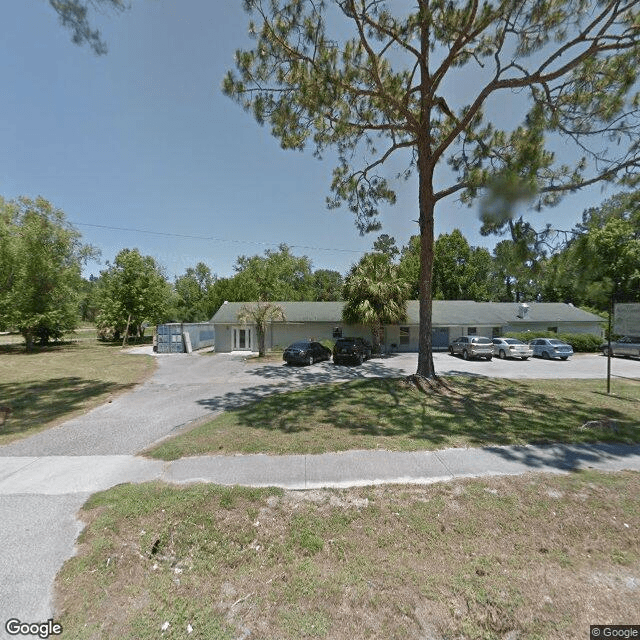
147 SW SUMMERS LANE, Lake City, FL 32025
To contact a resident: (386) 755-2737
For more information about senior living options: (866) 208-4318
Overall Review of The Plantation On Summers LLC
Pros
 The staff is great.
- The food is of high quality.
- The grounds are beautiful.
- The rooms are nice.
- The amenities are nice.
- Residents feel cared for and may even be loved because the owner knows everyone by name.
- The staff can arrange for family members to speak with their loved ones by bringing them to the phone.
Cons
 It is the worst-run assisted living facility the reviewer has ever seen.
- The reviewer would not even send their worst enemy there.
- The reviewer has been trying to get out for over six months and is being kicked out for questioning management about how they prey on residents and their money.
- The facility gets away with this because most residents are incapable of living anywhere else.
- The reviewer hates seeing veterans and other innocent people put through what the facility does to people.
- It truly scares the reviewer to think that there are deviant people in charge of treating people this way.
- The rooms resemble those of an old motel.
- It is a horrible place where everything has been stolen, there is no health care, and residents have nothing to do.
- One should never leave a loved one there.
- The staff did not seek medical care until he fell unconscious and died.
Review
This community is best suited for seniors who need a tightly budgeted, no-fruss lodging option with reliable daily routines and straightforward support, plus a family that values easy, direct access to staff and administrators. It serves residents who can function with basic meals, medication administration, and companionship that comes from staff who know each resident by name. For families seeking high-end accommodations or intensive medical oversight, this is not the ideal fit. The appeal rests on affordability, a familiar, person-centered touch from the management, and a willingness to overlook gaps in care in exchange for basic daily life stability.
Those who should consider alternatives include families prioritizing robust medical monitoring, rapid response to health changes, and transparent governance with a proven track record of safety. Prospective residents who require strong oversight, consistent clinical interventions, or modern, comfortable living spaces will likely feel underserved here. Likewise, families who cannot tolerate hints of mismanagement, reports of theft, or inconsistent accountability should look elsewhere. The facility’s current reputation raises red flags for anyone seeking assurance that care decisions are promptly and professionally handled.
The strongest positives revolve around personal attention and everyday practicality. Several reviewers highlight staff warmth and a willingness to engage, meals and medication administration, and a setting that, while modest, offers care that can feel personal. The owner’s familiarity with residents is repeatedly noted as a positive feature, along with straightforward communication, the ability to quickly connect a family member by phone and the facility’s habit of informing families when a resident is hospitalized. Such elements can meaningfully reduce isolation and frustration for families who cannot visit routinely and who prize responsive, approachable management.
Yet the major cons overshadow these benefits for families weighing long-term safety and quality of life. The most troubling narratives describe a facility operated in ways that feel unstable and even predatory, with allegations of theft, neglect, and insufficient medical care. Accounts of a resident dying after a cold progressed to pneumonia, apparently without timely intervention, drive home the central risk: care quality and medical responsiveness are inconsistent at best. The physical environment, rooms described as motel-like, adds to concerns that comfort and safety are not aligned with the level of care expected in assisted living. Together, these factors create a sobering contrast between limited, manageable day-to-day life and the potential for serious harm if medical issues arise.
The uneven balance between redeeming attributes and significant risks means candid decision-making is essential. The solid touchpoints, staff accessibility, dietary and medication routines, and personal attention, do not sufficiently offset repeated reports of neglect, theft, and governance problems. In practical terms, families should not rely on affectionate staff praise alone when evaluating this community. Due diligence must focus on objective metrics: staffing ratios, clinician availability, incident and theft reporting, state compliance records, and a transparent financial practice. Prospective residents should demand current care plans, prompt response protocols, and clear lines of accountability before making any commitment.
For families deciding where to place a loved one, The Plantation On Summers should be considered only if budget constraints are acute and there is a strong, ongoing commitment to close, proactive oversight. When exploring alternatives, prioritize facilities with proven clinical performance, modern accommodations, and documents that verify safety controls and anti-theft measures. The recommended approach is to tour with a critical eye, request recent care plans and incident reports, and speak with current residents and families about day-to-day experiences. If a move is contemplated, establish a concrete transition plan and a checklist for ongoing monitoring to prevent any relapse into the concerns that have repeatedly surfaced in reviews.
 Assisted Living
 Activities on-site
 Devotional services off-site
 Indoor common areas
 Ambulatory care
 Diabetic care
 Meals provided






 When to Transition from Assisted Living to Memory Care: Key Indicators, Steps, and Finding the Right Community
 Assisted Living and Memory Care: Understanding Their Core Differences
 Beyond the Bingo Hall: 50+ Enriching Activities for Seniors in Assisted Living