
211 N Pine Ave # 2, Inverness, FL 34450
To contact a resident: (352) 860-0885
For more information about senior living options: (866) 208-4318
Overall Review of Loving Care Assisted Living
Pros
 The staff Wilma and Judy are nice and caring.
- They take good care of residents, including grandmothers.
- All the staff are nice and helpful.
- Residents love it here.
- Most workers are friendly and treat residents like family.
- The staff are extremely gentle and caring toward residents.
- Residents are treated as family by the staff.
- It is recommended as a home for loved ones.
- The staff and residents are happy.
Cons
 The facility is nasty and filthy, with guests treated horribly, locked in their rooms, and sedated.
- The place could use some updates.
- It is understaffed.
- During the night shift, staff did not check or change residents, leaving them unattended.
- The reviewer would not recommend the facility.
Review
Loving Care Assisted Living in Inverness is best suited for families seeking a warm, home-like environment where residents are spoken of as part of a family and staff are consistently attentive. The community tends to attract seniors who value close, everyday interactions, personalized attention, and a sense of belonging over clinical sophistication. Residents and families repeatedly describe staff as patient, kind, and genuinely involved in daily life, with caregivers who know residents by name and preferences. For those who measure quality by a treasured feeling of community, rather than by marble corridors or high-tech amenities, this facility often feels like a comforting, approachable option. It is a fit for individuals who want reliable companionship, predictable routines, and a setting where staff seem invested in every resident’s happiness.
Yet, a clear caveat exists: some families should consider alternatives if medical acuity or pristine conditions are the top priority. A small portion of reviews alerts to harsh contrasts in experience, painting a picture of neglect, substandard cleanliness, or residents being restrained or sedated. A few accounts describe severe lapses, rooms closed off or residents treated poorly, alongside remarks about under-staffing and the facility’s aging condition. While these voices are not the majority, they signal real safety and quality concerns that deserve careful verification. Prospective visitors must weigh the predominance of warmth against the potential for inconsistent oversight, especially if current or emerging medical needs require more robust monitoring.
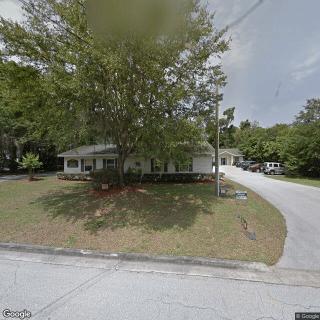
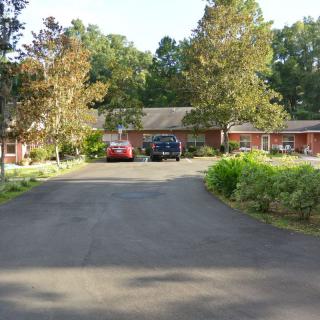
The strongest argument in favor of Loving Care lies in the qualitative experience: staff that feel like extended family, residents who appear genuinely content, and a culture that emphasizes personal connection. The favorable reviews repeatedly highlight friendly interactions, attentiveness to questions, and a sense that residents are cherished. Improvements to the facility’s interior and exterior show an openness to upgrading the living environment, suggesting leadership willing to invest in residents’ comfort. When staffing is reliable and the environment remains homely, these pros align well with what many families hope to find, a nurturing place where a resident’s daily quality of life is prioritized over formality or distance from home.
That said, the notable cons cannot be dismissed. Understaffing is a recurring theme in the negative comments, with whispers of inadequate night coverage and uneven care on some shifts. The most alarming anecdotes describe confinement or sedation in ways that raise red flags about safety, autonomy, and appropriate patient handling. A facility can still be a good match overall if these problems are isolated or thoroughly corrected, but they demand proactive due diligence: ask about nightly staffing levels, care protocols, and how residents are monitored after hours. For families with residents who require more acute or specialized care, these gaps may become decisive reasons to look elsewhere.
Environment and operations also factor into the decision. The sentiment that the place “could use updates” points to older décor or equipment rather than overt neglect, yet such impressions matter for comfort and perceived safety. The mix of glowing testimonials and troubling warnings suggests a community with real strengths in personal care and warmth, tempered by systemic vulnerabilities that may surface under heavier workloads or with specific health needs. Tour thoughtfully during peak activity times to observe staff-resident interactions, cleanliness, meal service, and activity engagement, and ask current residents about their day-to-day satisfaction and any concerns.
In the end, the decision hinges on what families prioritize. For those who prize a genuinely caring staff and a familien in feel, Loving Care Assisted Living offers a compelling, low-stress home environment with residents who appear well-loved and engaged. For families prioritizing pristine facilities, rigorous safety protocols, or consistent high-level medical oversight, especially for residents with complex needs, alternatives may provide greater assurance. A prudent approach is to conduct careful, in-person evaluations, probe night-shift coverage and safety practices, and assess whether the current culture is sustained across all shifts and days. The choice should balance the undeniable warmth and community spirit against the hard question of whether the care architecture meets specific medical and safety expectations now and into the near term.
 Assisted Living
 Activities on-site
 Devotional services off-site
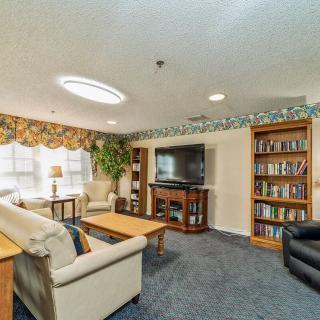
 Indoor common areas
 Ambulatory care
 Diabetic care
 Meals provided





 Medicare Coverage for Assisted Living: An In-Depth Exploration
 Choosing the Right Senior Care: A Detailed Exploration of Assisted Living and Nursing Homes
 Understanding the True Cost of Assisted Living in 2025: A Comprehensive Guide