
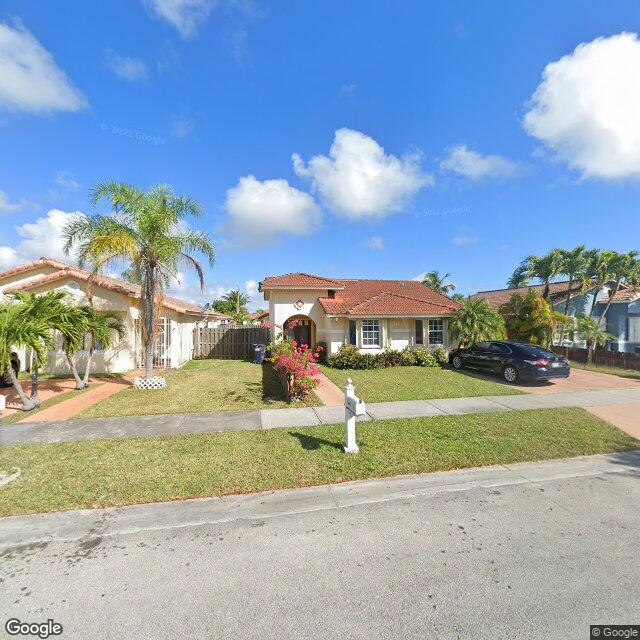
13231 SW 278th Ter, Homestead, FL 33032
To contact a resident: (305) 794-0011
For more information about senior living options: (866) 208-4318
M & J Quality Care LLC Costs & Pricing
M & J Quality Care LLC offers competitive pricing for its services compared to the surrounding market. For a semi-private room, the cost is set at $2,000 per month, which is notably lower than both the Miami-Dade County average of $2,250 and the state-wide average of $3,009. This represents a significant savings for residents seeking affordable care without compromising quality. In terms of private rooms, M & J ranges from $3,000 to $4,000 per month; while this may appear higher than the county's average of $3,304 and Florida's statewide range of $3,699, it still provides flexible options that can accommodate different needs and preferences. Overall, M & J Quality Care LLC maintains an accessible price point amidst varying costs in the region.
| Floor plans | M & J Quality Care LLC | Miami-Dade County | Florida |
|---|---|---|---|
| Semi-Private | $2,000 | $2,250 | $3,009 |
| Private | $3,000 to $4,000 | $3,304 | $3,699 |
Assisted Living communities with a similar price nearby
-
About the same
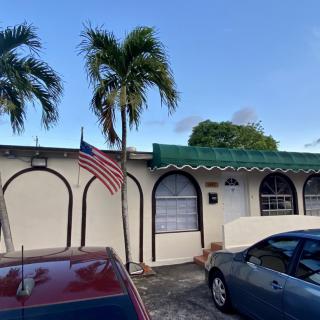
Care and Love Retirement Home
$2,000 to $2,500 / month24.5 miles away -
from -$325 / mo

Assisted Living Facility Sweet Home
$1,675 to $2,675 / month17.4 miles away -
About the same
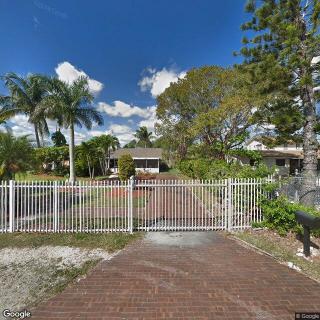
Sylvia's Senior Home
$2,000 to $4,000 / month3.3 miles away -
About the same
The Angels Home
$2,015 to $6,450 / month14.6 miles away -
About the same
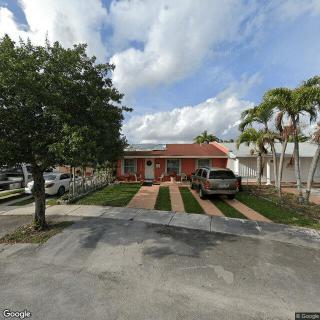
Helping Hand Assisted Home Care
$2,000 to $2,600 / month15.0 miles away
Overall Review of M & J Quality Care LLC
Pros
 Robinson Quality Care significantly improves clients' health and overall well-being.
- The caregivers are skilled, professional, and genuinely compassionate.
- They go above and beyond to ensure clients are comfortable, engaged, and well cared for.
- They anticipate clients' needs, adjust care plans as necessary, and communicate changes promptly.
- Their attention to detail and commitment to personalized care make a difference.
- They prioritize companionship, helping clients feel valued and connected.
- Families have peace of mind knowing their loved ones are in capable hands.
- They treat loved ones like family and are the best choice for senior care.
Review
This Homestead-based option is best suited for families seeking highly personalized, in-home assisted living support where care teams treat a loved one with genuine warmth, continuity, and proactive management. The three favorable accounts portray a small operation that delivers not only medical and personal care but also meaningful companionship and daily engagement. The strongest signal is a caregiver cadre that is described as professional, experienced, and sincerely compassionate, with a clear emphasis on tailoring every day to the resident’s evolving needs. For families who value hands-on coordination, prompt communication, and a home-like care experience, this option stands out as a practical, trustworthy match.
Those who may want to consider alternatives are households whose priorities include a hospital-like medical environment, constant 24/7 on-site nursing with extensive medical facilities, or a facility with a larger staff and more institutional amenities. If the expectation is for a highly structured setting with formal rounds and a broader menu of in-house medical services, or if the budget requires more predictable, lower-cost packaging, other ALFs or skilled nursing facilities may be a better fit. Similarly, seniors who desire maximal independence with minimal daily oversight or who prefer a traditional senior living campus may find a different model more aligned with their preferences.
On the strength side, proactive care stands at the core. The reviews describe caregivers who don’t merely follow a checklist but anticipate needs, adjust care plans promptly, and communicate any changes clearly. This level of attentiveness translates into fewer surprises and more stability, which can reduce emergency visits and hospitalizations and keep a senior safer at home. Coupled with a serious emphasis on personalized care and meticulous attention to individual routines, the care team enhances daily functioning, from medication reminders to mobility support, while preserving dignity and autonomy. The companionship element also reduces isolation, enhances mood, and creates a sense of connection that families often seek but struggle to sustain on their own.
Yet, the small-scale, in-home model can carry potential limits that families should weigh. There may be fewer in-house medical resources than a larger facility, and scheduling can hinge on the availability and continuity of a small caregiving team. The reviews imply consistently high-quality care, but the practical reality in any home-based service is that caregiver turnover or shifts can affect day-to-day routines. The offset in this case comes from the same strengths highlighted by families: continuous communication, proactive care planning, and a stable, family-like atmosphere that fosters trust and reduces the friction that often accompanies coordinating diverse providers. For families prioritizing seamless handoffs and predictable staffing, this is a meaningful counterbalance to any staffing gaps.
For families evaluating options, concrete questions matter. Verify licensure and certifications, then drill into how care plans are constructed, updated, and communicated. Ask about caregiver-to-resident ratios, continuity of caregivers, who coordinates medical orders, and how emergencies are handled outside typical hours. Clarify inclusion of medications, personal care tasks, and mobility support in the standard package, and understand any add-ons or penalties for changes in service levels. Finally, request a transparent cost framework, cancellation terms, and sample schedules to ensure alignment with the senior’s goals and the family’s availability, because the value delivered hinges on reliable, ongoing access to capable, caring hands.
In the end, this community is a strong fit for families seeking intimate, attentive, in-home support where care plans are dynamic, caregivers are experienced and compassionate, and the senior feels actively engaged rather than passively managed. It offers credible advantages in prevention, continuity, and companionship that can translate into true peace of mind for loved ones. However, for those who require a facility with dense medical resources, or who must tightly constrain costs through larger-scale operations, alternatives that emphasize a facility-based model or different pricing structures should be pursued. When judged against practical needs, continuous communication, proactive adjustments, and a home-based, person-centered approach, the option in Homestead earns a confident recommendation for the right fit.
 6 resident community capacity
 Assisted Living
 Board and Care Home
 Cable or satellite TV
 Dining room
 Fully furnished
 Garden
 Housekeeping services
 Move-in coordination
 Outdoor space
 Private
 Telephone
 Wi-Fi/high-speed internet available
 Miami International (21 miles away)
 24-hour supervision
 Activities of daily living assistance
 Assistance with bathing
 Assistance with dressing
 Assistance with transfers
 Diabetes diet
 Meal preparation and service
 Medication management
 Special dietary restrictions
 Transportation arrangement (medical)
 Transportation to doctors appointments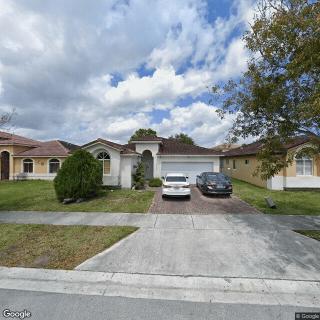




 Social Security Benefits and Assisted Living: Navigating Options Across the U.S.
 An Extensive Exploration of the VA Aid and Attendance Benefit
 Senior Transition Services: Understanding Their Role, Cost, and Importance