
11740 SW 24th Street, Miramar, FL 33025
To contact a resident: (954) 790-4563
For more information about senior living options: (866) 208-4318
Overall Review of Villages of Renaissance Assisted Living
Pros
 The community is clean and quiet.
- The community is nice.
- Residents are grateful for the new and improved gates.
- There have been nice improvements to the community over the past 20 years.
- The place is very beautiful and great to stay.
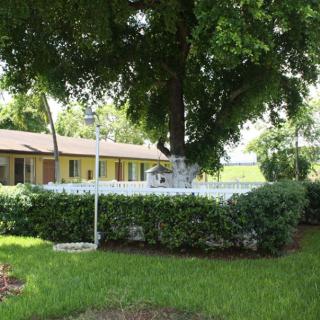
- The place is beautiful and surrounded by nature.
- The neighborhood is lovely.
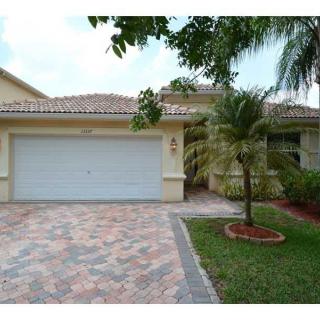
- The area is always clean and safe, with beautiful landscaping.
Cons
 It is the worst community to live in.
- The gate lines are ridiculous, and residents are lucky to even enter with these cheap gates that have been redone countless times.
- Residents have to wait in the guest line because the gate pass doesn’t work.
- The association is no help at all and has the dumbest, strictest rules ever.
- The entrance is extremely confusing for most guests and causes traffic congestion and inconvenience for residents.
- They tow friends' and families' cars if you have people over, and place parking violation stickers all over vehicles to squeeze more money.
- The basketball court was never fixed.
- The Associa HOA's practices, skillset, and decision-making are mediocre at best.
Review
Villages of Renaissance Assisted Living in Miramar is best suited for seniors who prize a serene, well-kept, nature-rich setting and value long-term cost stability, even if that comes with a controlled, gate-reinforced environment. The grounds are frequently described as beautiful and meticulously maintained, with landscaping that supports a calm, walkable lifestyle. Residents who want a quiet, safe neighborhood feel, and who can tolerate some distance from urban centers, will find the atmosphere appealing. The community’s governance, an association with fees that have remained relatively stable over many years, appears attractive to those who prefer predictability in monthly costs and a hands-off style of management, provided the rule structure is accepted as part of daily life.
Those facing the choice should also consider who may want to look elsewhere. The gate and entry system, even after recent upgrades, remains a friction point for residents and visitors alike. A number of reviews flag the process as overly complicated, with gate passes that fail, guest lines that require waiting, and entrance layouts that confuse newcomers. For households that rely on easy, painless access for family and medical visitors, or for those who dislike the perception of punitive parking policies and aggressive towing, this community may feel burdensome rather than convenient. If flexibility, responsiveness from management, and uncomplicated guest access are priorities, alternatives should be explored.
The strongest positives center on environment and day-to-day quality of life. The setting is repeatedly praised as clean, quiet, and scenic, with a neighborhood feel that supports safe, casual strolls and outdoor activity. Residents often note the security-of-place that comes with a gated entry and a well-kept campus, along with a stable, long-term fee structure that limits surprises year to year. The sense of care is reinforced by improvements observed over time, gates have been updated, and the community has shown a willingness to invest in access control improvements. For some, these features translate into a reliable backdrop for retirement living, especially for those who want a peaceful, aesthetically pleasing home base.
The most salient drawbacks lie in access control and administrative responsiveness. Gate reliability and guest access are persistent irritants: the gate system can impede entry for visitors, and the experience can feel bureaucratic rather than welcoming. Parking-related enforcement, cars towed or stickered, creates a wary climate around hosting friends and family, which clashes with the social expectations of many households. An inconsistent message from the association and some residents’ notes about the management’s effectiveness contribute to a perception that administrative processes are not as streamlined as they could be. Finally, a tangible amenity gap remains in the form of an unfixed basketball court, signaling that some facility maintenance may lag behind residents’ expectations.
Despite these drawbacks, the pros can meaningfully offset the cons for the right resident profile. The beauty, quiet, safety, and walkability create a lifestyle that supports regular outdoor activity and a sense of community without the bustle of urban living. When gate upgrades and a generally stable fee structure align with a resident’s priorities, the experience can feel like stable, long-term value, especially for those who do not depend on frequent, effortless guest access. The critical question is whether the governance and access model will continue to improve in ways that reduce friction while preserving the serene environment that defines the community.
For families weighing the decision, a practical path is essential. During tours, probe current gate reliability, response times for maintenance issues, and how guest access is handled on busy days. Ask for a clear picture of any forthcoming improvements to entrances and parking enforcement, and verify how the association plans to sustain or adjust the fee structure over time. If serenity, scenery, and predictable costs trump ease of visits and administrative agility, Villages of Renaissance stands out as a solid, experienced choice. If, instead, a streamlined guest experience and more responsive on-site management are non-negotiables, it would be prudent to compare with other options that prioritize simplicity in access and more immediate amenity upkeep.
 Board and Care Home
 Fort Lauderdale-Hollywood International (11 miles away)


 Fecal Incontinence in Older Adults: A Comprehensive Guide
 Recognizing the Journey: Understanding and Navigating Anticipatory Grief
 Encouraging Participation in Adult Day Care: A Guide to Supporting a Hesitant Parent