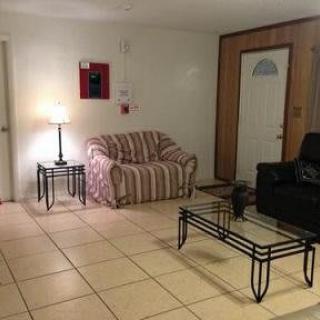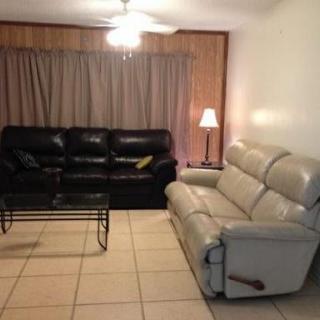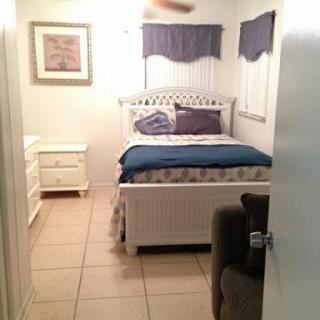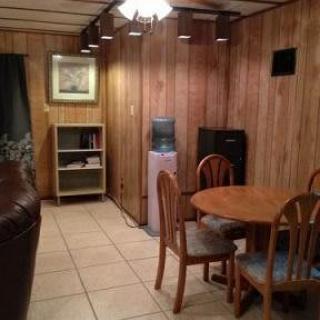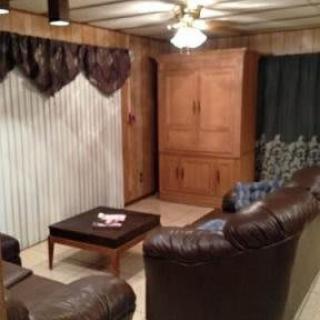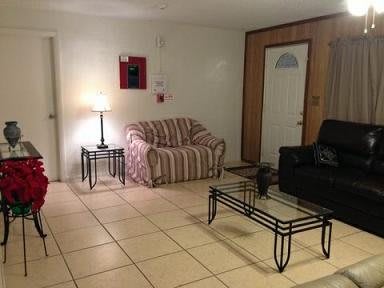
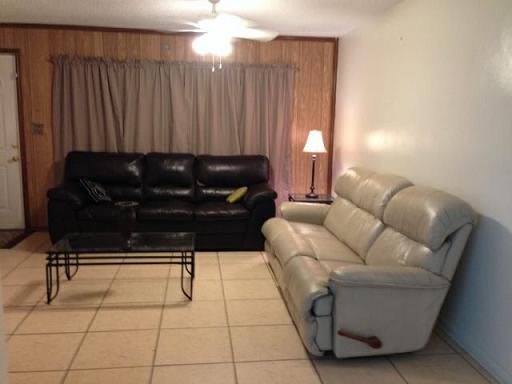
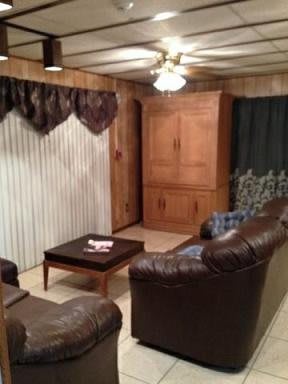
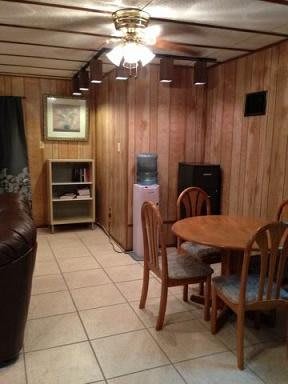
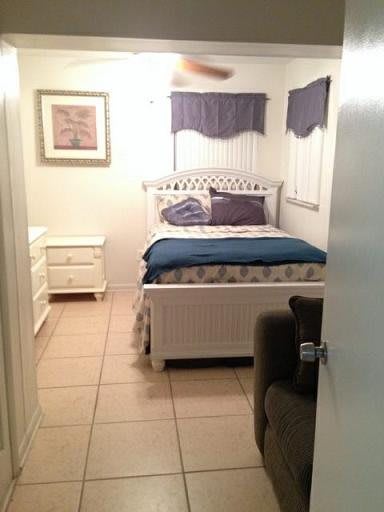
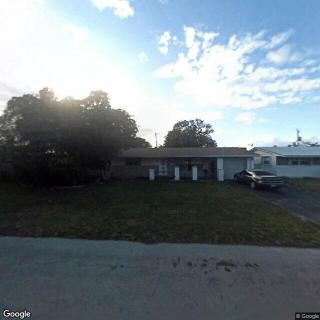
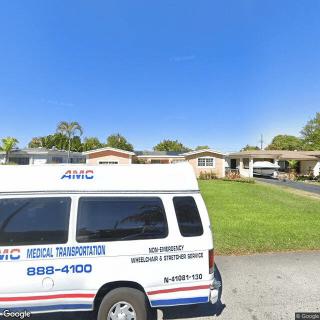
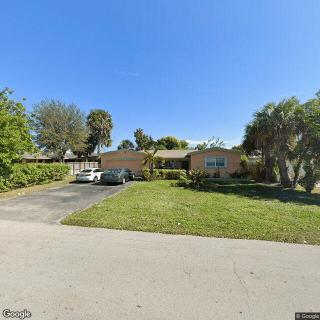
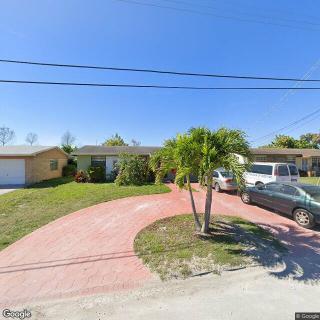
2221 Jamaica Drive, Hollywood, FL 33023
For more information about senior living options: (866) 208-4318
First Choice Alf Costs & Pricing
First Choice Alf offers competitive pricing compared to both Miami-Dade County and the broader Florida state averages, making it an appealing option for prospective residents. For a semi-private room, First Choice Alf charges $2,000 per month, which is notably lower than the county average of $2,250 and significantly below the state average of $3,009. Similarly, the cost for a one-bedroom unit at First Choice Alf is set at $2,500, well under Miami-Dade's average of $3,775 and Florida's average of $3,864. Even for private rooms, where First Choice Alf again charges $2,500, this rate remains competitive against Miami-Dade's average of $3,304 and the state's average of $3,699. These pricing advantages highlight First Choice Alf as a cost-effective choice without compromising on quality care and services.
| Floor plans | First Choice Alf | Miami-Dade County | Florida |
|---|---|---|---|
| Semi-Private | $2,000 | $2,250 | $3,009 |
| Private | $2,500 | $3,304 | $3,699 |
| 1 Bedroom | $2,500 | $3,775 | $3,864 |
Memory care communities with a similar price nearby
-
from -$200 / mo
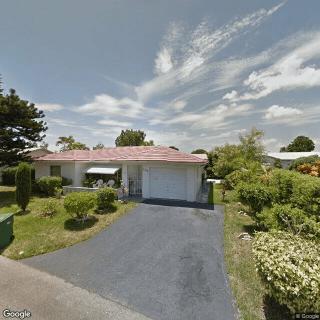
Jennifer's Home Care, Inc
$1,800 to $3,000 / month15.6 miles away -
About the same
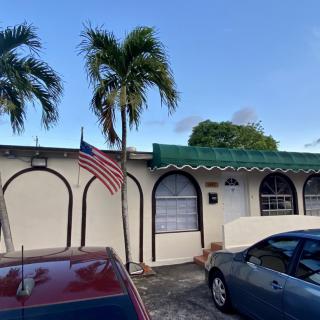
Care and Love Retirement Home
$2,000 to $2,500 / month10.5 miles away -
from -$200 / mo
Magnet Adult Home South
$1,800 to $3,500 / month12.3 miles away -
from +$220 / mo
Miami Jewish Home & Hospital for the Aged
$2,220 to $7,500 / month11.9 miles away -
from +$300 / mo
La Caridad Del Cobre ALF
$2,300 to $3,000 / month16.8 miles away
Overall Review of First Choice Alf
Pros
 The facility is spotless and well maintained.
- The staff are attentive to residents' needs and never forget them when they need assistance.
- The care provided is compassionate, kind, and courteous.
- The smaller setting is viewed as beneficial for personalized, attentive care.
- First Choice ALF is considered the best choice for the father, with grateful praise for the staff.
- Families feel at ease knowing their loved ones are safe, comfortable, and in good hands.
Cons
 He was not receiving the attention that he needed.
- The nurses could not help him during his therapies.
- They didn’t offer any outside activities for him.
Review
First Choice ALF in Hollywood, FL is best suited for families seeking a compact, home-like setting where daily cleanliness, predictable routines, and a steady, attentive staff are the core advantages. This community works well for seniors who prioritizes safety and personal attention over breadth of programming. The small size translates into more hands-on care, fewer residents per caregiver, and the comfort of knowing a familiar team is continuously present. For residents who don’t require around-the-clock medical intervention and who want to feel that a facility is genuinely keeping a close eye on their needs, this is a compelling fit.
That said, there are clear red flags for families weighing alternatives. Those with loved ones who rely on intensive therapy, regular outside activities, or robust, varied programming should pause and compare options. One reviewer flagged a gap: therapies weren’t supported by nursing staff, and outside activities weren’t offered. If rehabilitation, social engagement, and diverse daily programming are non-negotiables, other assisted living facilities or communities with a stronger integrated activity and therapy schedule may deliver better alignment with expectations. The presence of high-acuity medical needs would also steer families toward facilities with more medical oversight.
On the plus side, the strongest positives center on cleanliness, safety, and reliable staffing. Across multiple accounts, the facility is described as spotless, with ongoing upkeep that families can trust. The staff are characterized as kind, courteous, and attentive, with residents reported to be “never forgotten” when assistance is needed. For families living out of town, such consistency and a visible commitment to resident comfort provide meaningful reassurance that a loved one is in capable hands and that daily living feels orderly rather than rushed.
The main drawback remains the potential gap in therapy support and activity options. While the clean environment and dependable staff are meaningful, the absence of structured rehabilitation assistance or a rich calendar of external activities can limit how well a resident progresses or socializes, especially for those who crave more engagement beyond quiet companionship. In practice, this means First Choice ALF excels as a place to be well cared for in a contained, low-stress setting, but it may not meet every resident’s needs if therapy integration and social programming are top priorities.
Despite the conundrum, the pros do offset the cons for many families who value a trustworthy, intimate setting over a larger campus lifestyle. The consistent cleanliness, the sense that staff remember and respond to individual needs, and the comfort of a smaller community can translate into lower stress for caregivers and a calmer daily experience for residents. When a loved one thrives on steady, personal interactions and feels secure in a well-kept environment, the positives carry significant weight and can justify choosing First Choice ALF over larger, more programmatic options.
Bottom line: First Choice ALF is a strong choice for seniors who want a polished, clean, safety-forward environment with genuinely attentive staff and a smaller community feel. It is less well-suited for families whose loved ones require intensive therapy coordination, a busy social schedule, or high medical acuity. Prospective families should scrutinize staff-to-resident dynamics, ask for specifics on how therapies are coordinated, and request a sample activity calendar to verify that programming aligns with expectations. A visit focused on observed interactions, responsiveness, and the daily rhythm will illuminate whether this setting truly fits the loved one’s care priorities.
 5 resident community capacity
 Assisted Living
 Board and Care Home
 Memory Care
 Respite Care
 Activities off-site
 Bath tubs
 Beautician on-site
 Cable or satellite TV
 Devotional services off-site
 Dining room
 Fully furnished
 Garden
 Housekeeping services
 Indoor common areas
 Move-in coordination
 Outdoor common areas
 Private
 Private bathrooms
 Telephone
 Wheelchair accessible showers
 Wi-Fi/high-speed internet available
 Fort Lauderdale-Hollywood International (8 miles away)
 24-hour supervision
 Ambulatory care
 Assistance with bathing
 Assistance with dressing
 Assistance with transfers
 Diabetes diet
 Diabetic care
 High acuity care
 Incontinence care
 Meal preparation and service
 Medication management
 Special dietary restrictions
 Transportation arrangement (medical)
 Transportation to doctors appointments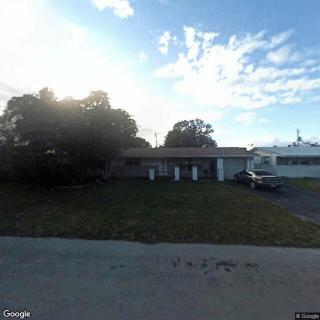

 Memory Care Pathways: A Holistic Guide to Dementia Support
 Comprehending Evening Confusion in Dementia: Causes, Manifestations, and Support
 Delirium and Dementia: Unraveling the Key Differences