
6135 West 8 Avenue, Hialeah, FL 33012
For more information about senior living options: (866) 208-4318
Overall Review of Yamile's Home
Pros
 The place is always impeccable and very clean.
- The owners are very involved.
- They are on top of the facility and manage changes with new caregivers smoothly.
- They take very good care of residents who need assistance with mobility and bathroom needs.
- The resident's room is super clean.
Cons
 The price was higher than what Yamile’s Home was charging.
- There is a no-visitors-after-7 p.m. policy, which limits family access.
- The resident has Alzheimer’s, wears a diaper, and requires two staff to help with bathroom needs.
Review
Yamile’s Home in Hialeah, Florida is best suited for families seeking an intimate, highly supervised care setting. This six-resident facility excels for a loved one who needs daily assistance and steady oversight, especially someone with Alzheimer’s or early dementia who remains mobile but relies on help with transfers and bathroom tasks. The small scale translates into unusually close caregiver attention, with owners who are actively involved and ready to rework assignments when staff changes occur. Cleanliness and order are evident in every corner, and routines feel predictable in a way that can ease anxiety for residents and families alike. For families prioritizing stability, safety, and a home-like atmosphere over volume and amenities, Yamile’s Home stands out.
However, this clarity comes with trade-offs. Cost runs higher than nearby options, reflecting the hands-on staffing and tight-knit operation. Private rooms are not an option here; residents share a room, which some will tolerate and others will find limiting. Visiting hours are effectively capped after 7 pm, which can complicate coordination for working relatives or late-day caregivers. Prospective residents should also assess whether the small house model provides enough social stimulation and structured activities, since the setting relies on a small group dynamic rather than a broad program calendar. Families must decide whether a calm, homelike environment justifies the added price and the restrictions that come with size.
On the upside, the benefits of the model are concrete. The tiny footprint enables rapid responsiveness; caregivers know each resident’s routines and can adjust plans quickly, which matters for Alzheimer’s care where consistency is crucial. The environment stays exceptionally clean, and staff turnover appears minimized by owner involvement, contributing to reliable care. The reference case notes that, despite mobility limits, two caregivers readily assist with bathroom tasks, illustrating a readiness to provide hands-on support without delays. Shared rooms can offer companionship, reducing isolation and helping residents feel less alone. For families who value dependable, attentive caregiving and a quiet, predictable day-to-day rhythm, Yamile’s Home delivers comfort that larger facilities often struggle to match.
Still, the model isn’t without its frictions that can sway decisions. The price premium needs justification beyond cleanliness and attentiveness; families should quantify what extra care and stability cost in real terms and compare it to other options. The lack of private space may be a deal-breaker for some residents who prize privacy. After-hours access limitations may hamper coordination and informal oversight for families juggling work or urgent needs. The review doesn’t detail a broad activity slate or specialized therapeutic services, raising questions about cognitive stimulation and social engagement outside the core caregiving routine. If those features are non-negotiable, alternatives with richer programming could prove a better fit.
When weighing pros and cons, the decision favors high-touch, low-traffic care that emphasizes safety and continuity. For a resident with dementia who still moves but relies on consistent assistance, the combination of meticulous sanitation, steady owner-led oversight, and a stable caregiving team reduces risks associated with turnover and gaps in daily routines. The quick staff adjustments during shifts help ensure that care plans stay aligned with changing needs. In this light, Yamile’s Home can deliver reliable, dignified daily life where the caregiver-resident relationship matters more than bells and whistles. Families prioritizing trust, predictability, and a homelike setting will find the pros compelling enough to overlook the price tag.
Practical next steps: verify exact costs and what’s included, confirm whether the shared-room arrangement aligns with the loved one’s preferences, and schedule a tour to assess fit. Ask about the approach to dementia progression, daily schedules, and how care plans are updated. Meet the caregiving team to gauge responsiveness and compatibility, and request a sense of how move-in logistics are handled. If a calm, clean, highly attentive environment with strong owner involvement matches the family’s priorities, Yamile’s Home is a strong candidate. If private rooms, flexible visitation, or richer programming matter more, explore alternatives before deciding.
 6 resident community capacity
 Assisted Living
 Cable or satellite TV
 Dining room
 Fully furnished
 Garden
 Housekeeping services
 Move-in coordination
 Outdoor space
 Telephone
 Wi-Fi/high-speed internet available
 Miami International (6 miles away)
 24-hour supervision
 Activities of daily living assistance
 Assistance with bathing
 Assistance with dressing
 Assistance with transfers
 Diabetes diet
 Meal preparation and service
 Medication management
 Physical therapy
 Special dietary restrictions
 Transportation arrangement (medical)
 Transportation to doctors appointments
 English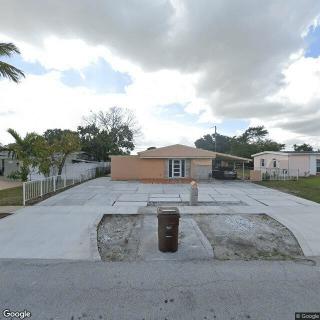



 Understanding the True Cost of Assisted Living in 2025: A Comprehensive Guide
 Understanding Medicaid Coverage for Assisted Living: A Comprehensive Guide
 How and When Medicaid May Cover Assisted Living Costs