
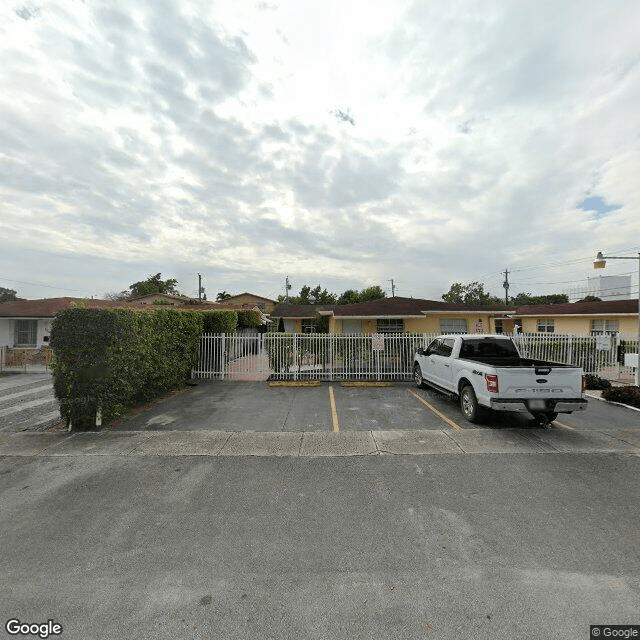
170 W 13th St, Hialeah, FL 33010
To contact a resident: (305) 885-2358
For more information about senior living options: (866) 208-4318
Sunshine Adult Ctr Costs & Pricing
At Sunshine Adult Center, the monthly costs reflect a competitive pricing structure when compared to both Miami-Dade County and the broader state of Florida. For semi-private accommodations, the center charges $2,450 per month, which is slightly above the county average of $2,250 but significantly lower than the state average of $3,009. In terms of private rooms, Sunshine Adult Center's rate stands at $3,747, higher than both local and state figures - $3,304 in Miami-Dade County and $3,699 statewide. This pricing strategy suggests that while Sunshine Adult Center offers premium private room options that exceed local competition, it also remains an attractive choice for semi-private living arrangements within the region.
| Floor plans | Sunshine Adult Ctr | Miami-Dade County | Florida |
|---|---|---|---|
| Semi-Private | $2,450 | $2,250 | $3,009 |
| Private | $3,747 | $3,304 | $3,699 |
Senior living communities with a similar price nearby
-
About the same
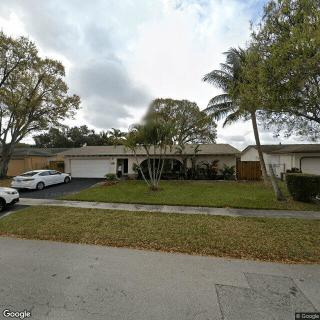
Ana's Assisted Living Facility
$2,400 / month12.6 miles away -
About the same
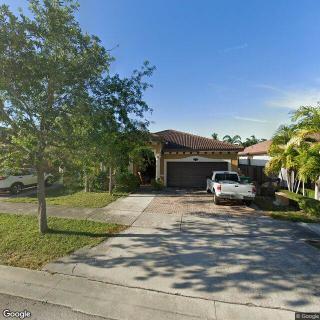
La Casita Nuestra Home
$2,500 to $3,500 / month11.2 miles away -
from -$450 / mo
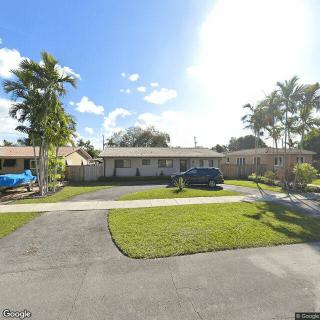
Buddy's Place
$2,000 / month0.9 miles away -
from +$350 / mo

BrightStar Care of Coral Gables
$2,800 to $3,200 / month6.3 miles away -
About the same
Joy Peace & Love ALF, LLC
$2,400 to $3,300 / month19.8 miles away
Overall Review of Sunshine Adult Ctr
Cons
 The place is horrible.
- They kicked out a family member to give the bed to another person.
- She called an ambulance so he wouldn’t have to be there during the pandemic.
- It is the worst place to take a loved one.
- They do not recommend it.
Review
Sunshine Adult Ctr in Hialeah is best suited for families that must secure a bed quickly and are prioritizing cost considerations over ongoing, person-centered care. The facility’s value proposition, as reflected by the sole published review, rests on price and bed access rather than a demonstrated commitment to stable, respectful residence. For households where affordability is the primary screening criterion and care quality is a secondary concern, Sunshine may appear to fit. Yet this alignment comes with a heavy caveat: the care experience and resident dignity are not clearly supported by the account available.
Families who should consider alternatives are those that require dependable, compassionate supervision and predictable treatment of their loved ones. This includes residents with medical fragility, cognitive impairment, or a need for steady, consistent oversight, plus relatives who expect transparent discharge practices and protections against abrupt relocation. When safety, continuity of care, and ethical staffing are non-negotiable, the scars of a single negative report become a decisive factor rather than a marginal concern.
The review paints a troubling picture of the facility’s behavior toward residents. It alleges that a resident was kicked out to free a bed for another person, with the implication that the owner is complicit or at least aware of such maneuvers. It also states a hospital-style ambulance call was used as a mechanism to remove the resident on a particular date, a tactic that signals a willingness to rely on external authorities to circumvent a difficult housing decision. Taken together, these claims suggest a culture in which bed management and personal convenience override the welfare and autonomy of the resident, and that connection to ownership may influence decisions about who stays and who leaves.
In terms of pros and cons, no substantive advantages are documented in the available account. The absence of clearly described benefits makes the cited negatives all the more weighty: the alleged eviction, the alleged collusion or awareness by leadership, and the use of emergency services as a displacement tool all point to a risk profile that few families should accept. Even if there were minor conveniences, such as lower cost or flexible admission processes, these would be far outweighed by a pattern that undermines trust, stability, and the safety net families rely on when entrusting a loved one to care.
From a practical standpoint, prospective residents and their families should approach Sunshine with a tightly scoped checklist before any commitment. Demand written policies on bed assignments, transfers, and discharge procedures; insist on a clear, transparent escalation path when disputes arise; ask to speak with current or recent residents and families for direct feedback; verify licensing status and any history of complaints or enforcement actions; and schedule multiple tours at different times to observe staffing, responsiveness, and interactions. If pursuing any option here, pair the visit with guidance from an elder-care attorney or ombudsman to ensure contracts protect against abrupt relocations and that there is an enforceable cap on bed transfers.
Ultimately, the decision lean strongly against Sunshine Adult Ctr for families prioritizing stable, respectful, resident-first care. The reported sequence of events raises serious questions about trust, oversight, and the sanctity of the resident’s place to live. Alternatives that offer transparent policies, consistent staffing, and a track record of advocating for residents are the prudent path. If Sunshine is still under consideration due to budget constraints, it is essential to implement rigorous safeguards, insist on detailed, enforceable policies, and pursue comprehensive references to offset the significant trust deficit illustrated by the current account.
 Board and Care Home
 Miami International (3 miles away)
 Comprehensive assisted living with furnished apartments, meals, housekeeping, health coordination, transportation, and social activities.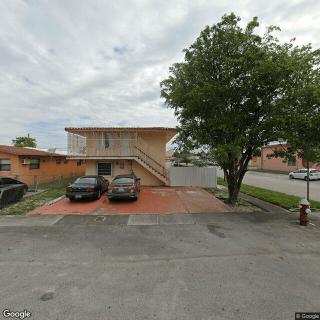


 Understanding the Nuances of Palliative Care and Hospice: A Comprehensive Exploration
 Fecal Incontinence in Older Adults: A Comprehensive Guide
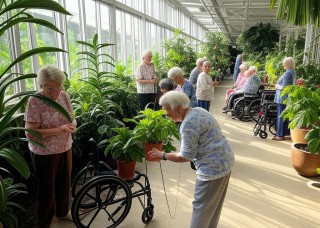 Nurturing Well-Being Through Gardening: A Detailed Guide for Senior Enthusiasts