
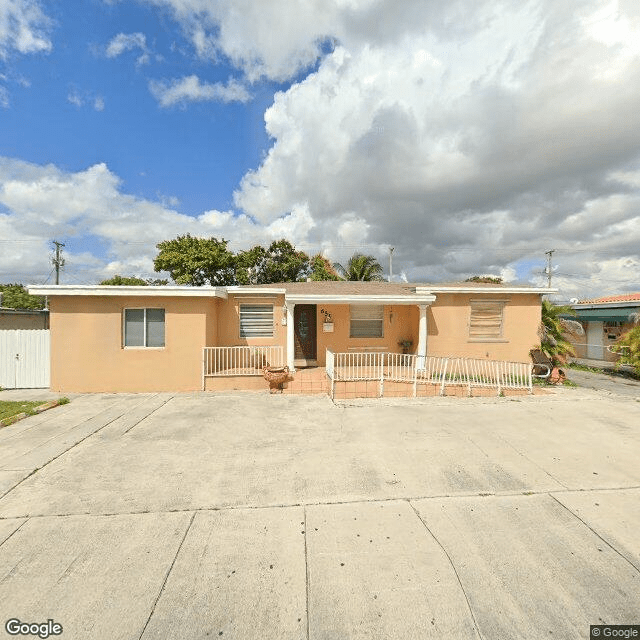
651 East 49Th Street, Hialeah, FL 33013
For more information about senior living options: (866) 208-4318
Maribel Paradise Home Costs & Pricing
Maribel Paradise Home offers competitive pricing for its residents, particularly when compared to the broader market in Miami-Dade County and the state of Florida. For a semi-private room, Maribel charges $1,200 per month, significantly lower than the county average of $2,250 and the state average of $3,009. This value extends to private accommodations as well; at Maribel, a private room is available for $1,700 monthly, whereas similar facilities in Miami-Dade typically charge around $3,304 and those throughout Florida reach an average of $3,699. These rates highlight Maribel Paradise Home's commitment to providing quality care at an affordable price point.
| Floor plans | Maribel Paradise Home | Miami-Dade County | Florida |
|---|---|---|---|
| Semi-Private | $1,200 | $2,250 | $3,009 |
| Private | $1,700 | $3,304 | $3,699 |
Assisted Living communities with a similar price nearby
-
from +$200 / mo
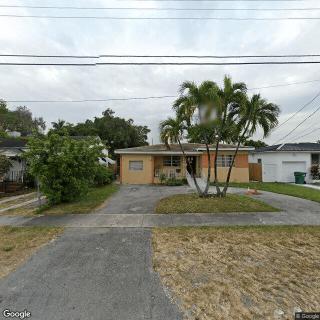
Gonzalez & Sons Home Care
$1,400 to $2,500 / month7.2 miles away -
from +$200 / mo
Nova Palms ALF
$1,400 to $2,400 / month13.6 miles away -
from +$100 / mo
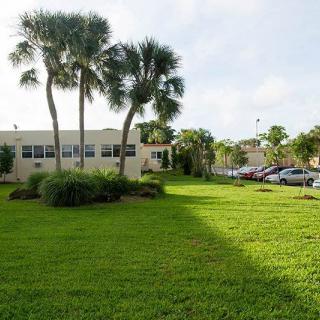
Eastside Active Living
$1,300 to $1,950 / month13.6 miles away -
About the same
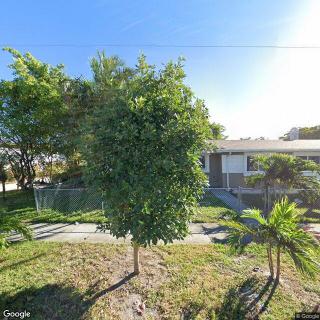
Sheridan Manor
$1,200 to $2,000 / month13.7 miles away -
from +$200 / mo
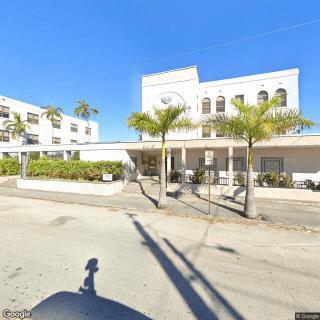
Midtown Manor
$1,400 to $2,900 / month12.6 miles away
Overall Review of Maribel Paradise Home
Pros
 The staff consistently goes above and beyond in handling tasks.
- Maribel speaks highly of the communication, time management, and customer service.
- The home has a great family atmosphere.
- The representative from Place for Mom helped a great deal in the selection.
- The caregivers at Maribel Home keep good communication.
- They provide coping tips and have made the transition as smooth as possible.
Review
Maribel Paradise Home in Hialeah is best suited for seniors who want a warm, family-like atmosphere and a caregiving team that treats daily routines as a true partnership. The community shines for families that prioritize clear, steady communication and a smooth transition into care. It is especially well-suited for residents who value consistent, attentive staff and a homey feel over a large, hospital-like setting. Those needing high-acuity medical oversight, advanced memory-care programs, or a broad array of on-site clinical services may want to consider alternatives with more formalized clinical support and specialized wings.
The lived experience here centers on staff who routinely go above and beyond in the tasks at hand. The reviews repeatedly highlight staff who communicate well, manage time effectively, and deliver strong customer service, which translates into fewer surprises and greater predictability for families. A notable strength is the family atmosphere that accompanies daily care, which helps ease the emotional burden of relocation. The presence of a Place for Mom representative during selection further signals a deliberate, guided process, contributing to confidence that the right fit was chosen.
Caregivers at Maribel Paradise Home also emphasize coping support and transitional guidance, helping residents adjust to a new rhythm with practical tips and steady reassurance. This combination, transparent communication, practical coping strategies, and a considerate, home-like setting, creates a platform where routine can become predictable and comfort can progressively replace anxiety. For families, this translates into meaningful updates, fewer miscommunications, and a sense that the move is being managed with care rather than left to chance.
To weigh the pros against potential drawbacks, one must acknowledge that the strongest positives are precisely the elements most essential to a smooth, livable day-to-day experience: staff reliability, communicative clarity, and a welcoming atmosphere. The absence of reported cons in the reviews is not a flaw but a gap in the snapshot. Still, potential caregivers should anticipate that a smaller, intimate setting may not mirror the full spectrum of clinical services found in larger campuses. If the priority is around-the-clock skilled nursing, extensive rehab programs, or specialized memory-care protocols, those needs might outgrow the capabilities of a home-style operation.
With that in mind, the offsetting factors become clear. The robust communication and proactive caregiving reduce the risk of isolation, medication mix-ups, or overlooked anxiety during adjustment. The family-oriented culture lowers the likelihood of residents feeling abandoned or overwhelmed as routines shift, and the involvement of a knowledgeable placement source signals diligence in screening and ongoing alignment with family expectations. In short, for residents who can thrive with steady hands, predictable routines, and sustained emotional support, the pros significantly outweigh the practical limits of a smaller setting.
Prospective movers should approach a visit with targeted questions that illuminate how the positives translate into daily life. Inquire about nurse coverage and on-site medical oversight, the cadence of family updates, the process for handling changes in health status, and the availability of coping resources tailored to adjustment and transitional stress. Ask about the caregiver-to-resident ratio during mornings and evenings, the scope of daily activities, and how the home addresses mobility, nutrition, and personal preferences. Understanding these specifics will reveal how the celebrated communication and warmth manifest in routine care and safety.
In the end, Maribel Paradise Home delivers a compelling combination of staff dedication, clear communication, and a nurturing, family-like environment that helps residents settle in with less friction. It stands out for families who want to see real hands-on engagement, honest updates, and practical support that makes the transition feel manageable. Those whose priorities include highly structured medical programs, extensive on-site rehabilitation, or specialized memory-care services may want to examine alternatives that emphasize clinical breadth over homey atmosphere. A guided tour, coupled with frank conversations about medical needs and activity expectations, will determine whether this community is the right fit, and if the fit is solid, the decision becomes straightforward.
 6 resident community capacity
 Assisted Living
 Board and Care Home
 Activities off-site
 Air-conditioning
 Bath tubs
 Beautician on-site
 Cable or satellite TV
 Devotional services off-site
 Dining room
 Fully furnished
 Garden
 Housekeeping services
 Indoor common areas
 Move-in coordination
 Outdoor common areas
 Private
 Private bathrooms
 Respite or short term stays offered
 Telephone
 Wheelchair accessible showers
 Wi-Fi/high-speed internet available
 Miami International (5 miles away)
 24-hour supervision
 Ambulatory care
 Assistance with bathing
 Assistance with dressing
 Assistance with transfers
 Diabetes diet
 Diabetic care
 High acuity care
 Incontinence care
 Meal preparation and service
 Medication management
 Special dietary restrictions
 Transportation arrangement (medical)
 Transportation to doctors appointments
 BBQs or picnics
 Birthday parties
 Catholic services
 Jewish services
 Live musical performances


 Senior Transition Services: Understanding Their Role, Cost, and Importance
 Exploring the Path to Senior Living: A Comprehensive Look at Independent Living and Assisted Living
 Is Assisted Living Deductible on Your Taxes? Understanding the Complexities of Assisted Living Expenses and Deductions