
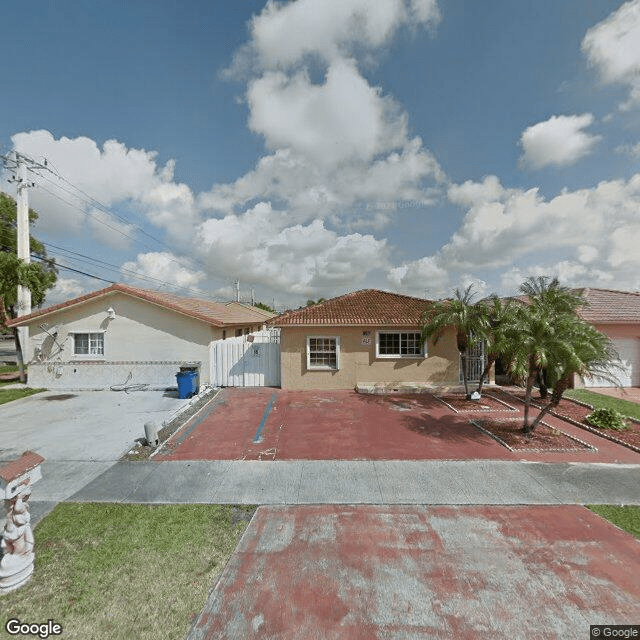
2793 West 72 Street, Hialeah, FL 33016
To contact a resident: (305) 362-5264
For more information about senior living options: (866) 208-4318
Overall Review of Golden Age Assisted Living Facility III
Pros
 The reviewer liked it a lot.
Cons
 It was one of the worst ALFs the reviewer had ever dealt with.
- There was no point of contact.
- It left patients without transportation for hours.
Review
Golden Age Assisted Living Facility III in Hialeah is best suited for seniors who prioritize a homey, less formal atmosphere and for families prepared to stay actively involved to compensate for gaps in transportation and communication. It is not the right fit for residents who rely on consistent, reliable transport and a single, accountable point of contact for daily care coordination. In short, this community rewards hands-on families and residents who can tolerate operational variability in exchange for a potentially comfortable living environment.
The reality reflected in the reviews is decidedly mixed. One reviewer labels the facility as among the worst ALFs encountered, spotlighting a lack of a defined point of contact and long, unpredictable waits for transportation. That jarring critique signals a breakdown in basic care coordination that can ripple through medical appointments, social activities, and planned outings. Conversely, another voice offers praise: “I liked it a lot,” a sentiment that hints at a positive day-to-day atmosphere, personable staff interactions, or a facility environment that residents find welcoming. Taken together, the property carries a mid-range rating and a clear tension between comfort on the surface and operational gaps behind the scenes.
The strongest pro is a potentially warm, welcoming living environment that can support social engagement and daily comfort when staff are responsive and approachable. The positive impression implies that, once contact is established, residents can experience meaningful interaction, a sense of community, and satisfactory personal care. Yet these positives are fragile because they hinge on reliable communication and dependable transport, areas where the feedback is unequivocally weak. The absence of a centralized point of contact compounds the risk, making it difficult for families to escalate issues, adjust care plans, or ensure timely transportation for appointments, activities, or errands.
In weighing the pros against the cons, the operational gaps undermine the quality picture. A comfortable setting and friendly day-to-day demeanor do not compensate for repeated transportation delays or the lack of a single liaison who can coordinate care logistics. For seniors with medical appointments, pharmacy pickups, or mobility needs, hours of wait time for transport can disrupt treatment regimens, create unnecessary stress, and erode trust in the level of reliability offered. Families should view the positives as a potential foundation for a decent living experience, but only if the transportation and communication pieces are stabilized or actively supported by family oversight.
Alternatives become worth considering for anyone who cannot tolerate ongoing logistics uncertainty. If predictable scheduling, clear accountability, and proactive care coordination are non-negotiable, other facilities with dedicated care coordinators, transparent transport policies, and guaranteed contact points should be in the shopping list. For residents needing structured routines or those who rely on timely transport for medical or rehabilitation services, the risk of repeated delays at Golden Age stands out as a decisive factor. In other words, this community may work for the right fit, specifically, a self-sufficient or semi-supported senior with a family able to fill coordination gaps, but it is not the best choice where reliability is a non-negotiable priority.
For families seriously evaluating this option, a disciplined due diligence plan is essential. Schedule a visit with a manager and insist on meeting a designated point of contact for transport and daily care coordination. Request a transport policy, a typical weekly schedule of pickups and drop-offs, and a contact escalation process for delays. Ask current and former residents or families about how often transportation issues occur, how they’re resolved, and whether care coordination is consistent across shifts. Observe walk-throughs for signs of a well-organized routine, and probe how responsive staff are when concerns are raised. The goal is to verify that the positives can reliably translate into daily life without the recurring, disruptive transport gaps that reviewers have flagged.
Bottom line: Golden Age Assisted Living Facility III presents a pragmatic choice for families who can tolerate a degree of logistical ambiguity in exchange for a potentially comfortable, neighborly environment. It is less suitable for those who require a predictable transport schedule, a single point of accountability, or a robust, proactive care coordination framework. If reliability in logistics and consistent communication are non-negotiable, consider alternatives that prioritize dedicated care coordination and transportation stability. For others, a careful, firsthand assessment that probes transportation policies and care contacts will determine whether the positives can outweigh the documented drawbacks in daily practice.
 6 resident community capacity
 Assisted Living
 Board and Care Home
 Respite Care
 Cable or satellite TV
 Dining room
 Fully furnished
 Garden
 Housekeeping services
 Move-in coordination
 Outdoor space
 Telephone
 Wi-Fi/high-speed internet available
 Miami International (7 miles away)
 24-hour supervision
 Activities of daily living assistance
 Assistance with bathing
 Assistance with dressing
 Assistance with transfers
 Diabetes diet
 Meal preparation and service
 Medication management
 Special dietary restrictions
 Transportation arrangement (medical)
 Transportation to doctors appointments

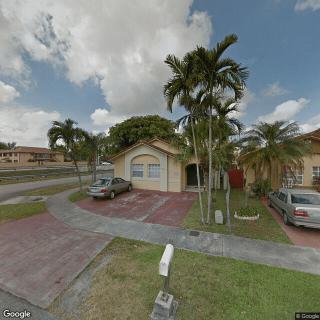
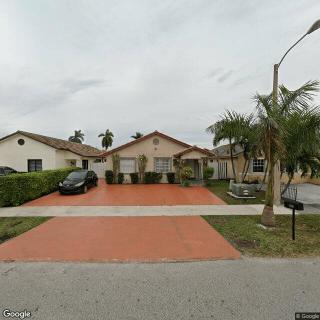
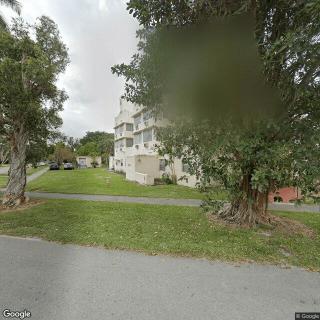

 Comprehensive Supportive Living Arrangements for Adults with Disabilities
 Funding and Affording Assisted Living: A Thorough Overview
 Assisted Living Expenses and Long-Term Care Insurance: A Comprehensive Exploration