
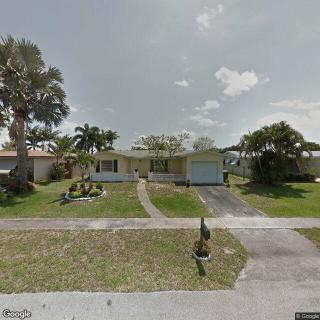
10228 South West 53 Ct, Cooper City, FL 33328
For more information about senior living options: (866) 208-4318
Overall Review of Sunrise Community 15
Pros
 The staff are very nice.
- The staff deliver beautiful work and are professional and prepared.
- The service is friendly.
- The attention to the children is good.
- It is a safe haven.
Cons
 They wouldn’t recommend anyone to go there; all the employees and management suck.
- A teacher upset someone and had to be picked up; they could not talk to staff about the problem.
- They hate everything.
- The pay was low for the amount of work expected of them.
Review
Sunrise Community 15 is best suited for families seeking a smaller, home-like setting where frontline staff are consistently friendly, attentive, and capable, and where residents benefit from a sense of safety and personal attention. The environment appears to reward everyday interactions with residents who notice polite, professional service and a calm, “safe haven” atmosphere. It works best when families are willing to stay actively involved, monitor care closely, and press for responsive, visible leadership. In short, this is a practical choice for caregivers who want warmth and reliability at the ground level, but who also recognize that supervision and accountability must come from the top.
Those who may want alternatives include families prioritizing airtight management, transparent problem-resolution, and steady staffing with minimal turnover. If a community’s leadership is repeatedly hard to access, or if staff feel overworked and underpaid, reliability can waver. For residents with complex medical needs or those requiring highly coordinated, 24/7 oversight, a brand with more centralized oversight and a proven track record of administrative stability may be preferable. In addition, families seeking minimal hands-on involvement may find the need for ongoing engagement burdensome rather than reassuring.
The strongest positives here, friendly, professional staff and a generally pleasant, safe atmosphere, do create meaningful daily value. When caregivers are kind, well-prepared, and capable of delivering consistent, attentive service, residents enjoy predictable routines and a level of comfort that matters. The “safe haven” feel and the visible dedication of frontline workers can offset some friction, particularly for residents who thrive under gentle supervision and clear daily structure. Yet these benefits are contingent on competent management that can translate frontline goodwill into reliable problem-solving and steady operations.
However, the key drawbacks can quickly erode confidence if left unaddressed. The most consequential issues center on leadership and communication: difficulties talking to staff about problems, perceived gaps in management responsiveness, and reported low pay relative to workload. When frontline teams feel isolated from decision-makers, small concerns become recurring headaches, and staff morale can deteriorate. The incident cited, an on-site dispute requiring intervention, highlights how gaps in incident handling and follow-through can shake trust in the facility’s ability to keep residents safe and respected. These dynamics matter more than any single nice interaction.
Operationally, the decision hinges on whether families are prepared to insist on clear processes and accountability. Prospective residents should demand transparent incident-report procedures, visible leadership access, and documented steps for resolving concerns. Verify staff-to-resident ratios, read recent job postings for turnover signals, and request an explicit plan for addressing grievances that shows a responsive administrator as a partner, not a bottleneck. Tour briefly during a shift change to observe how staff communicate with residents and how management weighs complaints. Ask for examples of recent improvements made in response to family input.
Ultimately, Sunrise Community 15 can be a solid fit for families who will stay engaged and push for consistent leadership, clear communication, and staff support. For those unwilling or unable to monitor day-to-day issues and advocate for timely fixes, alternatives with stronger administrative stability and proven retention may prevent ongoing frustration. The decision should rest on a candid assessment of how much hands-on oversight is realistic, and whether the potential for warm, attentive care outweighs the risk of management gaps over time. If choosing this community, enter with a plan: establish expectations in writing, set regular check-ins, and demand accountable, visible leadership to maintain the trusted, safe environment the front-line staff already strives to deliver.
 6 resident community capacity
 Assisted Living
 Cable or satellite TV
 Dining room
 Fully furnished
 Garden
 Housekeeping services
 Move-in coordination
 Outdoor space
 Telephone
 Wi-Fi/high-speed internet available
 Fort Lauderdale-Hollywood International (8 miles away)
 24-hour supervision
 Activities of daily living assistance
 Assistance with bathing
 Assistance with dressing
 Assistance with transfers
 Diabetes diet
 Meal preparation and service
 Medication management
 Special dietary restrictions
 Transportation arrangement (medical)
 Transportation to doctors appointments






 Understanding the Distinctions: Assisted Living and Memory Care Explained
 Guiding Elderly Parents Who Refuse Assisted Living: 6 Practical Steps
 Your Comprehensive Guide to Luxury Assisted Living: Elevated Facilities, Amenities, and Costs