
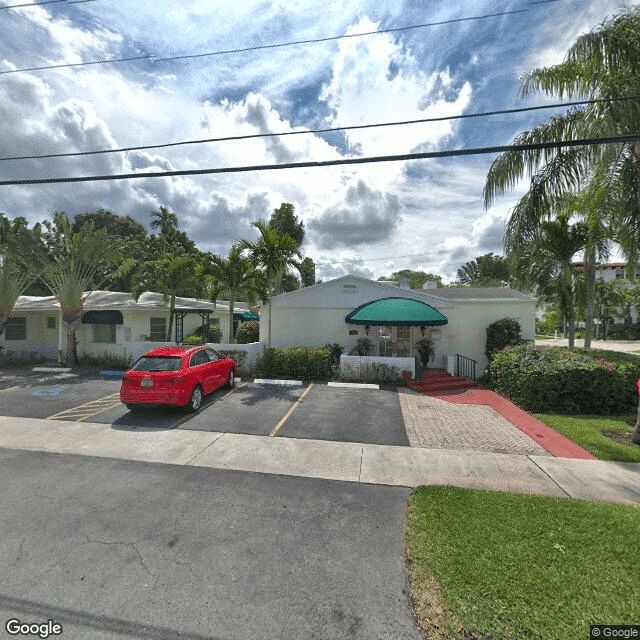
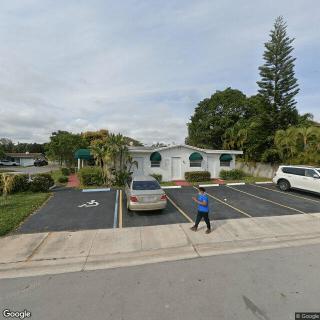
1700 NE 5th Street, Fort Lauderdale, FL 33301
To contact a resident: (954) 766-4961
For more information about senior living options: (866) 208-4318
Leisure Living of Victoria Park Costs & Pricing
Leisure Living of Victoria Park offers competitive pricing for its residents, especially when compared to the broader market in Broward County and the state of Florida. For a Semi-Private room, residents can expect a monthly fee of $2,500, which is notably lower than the county's average of $2,902 and the state average of $3,009. Similarly, those seeking a 1 Bedroom accommodation will find Leisure Living's rate of $3,000 more affordable than both Broward County's average of $3,651 and Florida's statewide average of $3,864. This positioning not only makes Leisure Living an attractive option for potential residents but also reflects its commitment to providing quality care at accessible prices.
| Floor plans | Leisure Living of Victoria Park | Broward County | Florida |
|---|---|---|---|
| Semi-Private | $2,500 | $2,902 | $3,009 |
| 1 Bedroom | $3,000 | $3,651 | $3,864 |
Assisted Living communities with a similar price nearby
-
from -$100 / mo
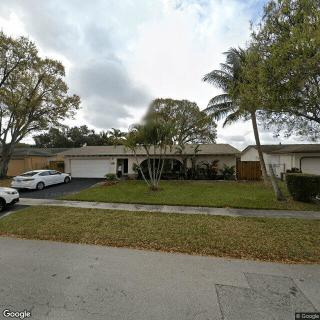
Ana's Assisted Living Facility
$2,400 / month11.7 miles away -
from -$280 / mo

Miami Jewish Home & Hospital for the Aged
$2,220 to $7,500 / month21.5 miles away -
from +$400 / mo
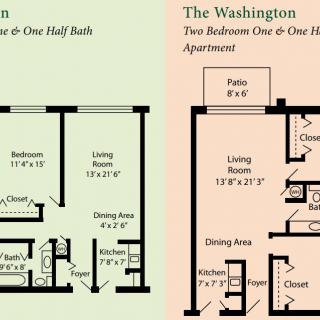
Independence Hall
$2,900 to $4,572 / month2.2 miles away -
from -$305 / mo

Grand Villa Of Delray East
$2,195 to $4,495 / month22.9 miles away -
from +$200 / mo
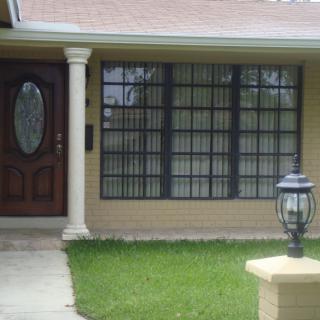
Flamingo Assisted Living
$2,700 to $4,500 / month5.5 miles away
Overall Review of Leisure Living of Victoria Park
Pros
 Leisure Living has been good to residents, helping them rehabilitate and live better in later life.
- It offers an enlightening experience with caring staff in a meticulous environment.
- The facility provides elder care at a very reasonable price.
- Staff and owners welcome residents with loving arms and make them feel at home.
- The staff are very patient and ensure residents have everything they need from arrival, including timely medication and adherence to diet regimens.
- Leisure Living comes highly recommended.
Cons
 Terrible attention from the staff, they are not friendly and do very little for the grandparents.
Review
Leisure Living of Victoria Park in Fort Lauderdale is best suited for seniors who need a structured, rehab-friendly setting with attentive, caregiving staff and a home-like atmosphere, all at a value-driven price. The strongest messages from the experiences shared point to improvement through rehabilitation, reliable medication management, and diet adherence, delivered in a environment described as meticulous and welcoming. Families seeking a first-hand sense that their loved one will be cared for with patience and practical support, particularly around recovery goals and daily routines, will find this community appealing.
At the same time, careful consideration should be given to those who demand unwavering staff consistency and proactive engagement at all hours. One review highlights terrible attention, unfriendly demeanor, and minimal effort for grandparents, a warning sign that the experience can vary significantly from resident to resident. For families with high expectations for continuous warmth, proactive check-ins, and seamless escalation of concerns, alternatives with more consistently rated staffing cultures should be explored. In short, the care experience hinges on who is on duty and how care plans are executed day to day.
The strongest positives center on rehab-oriented care and a care environment that many families describe as caring and thorough. Notable threads describe staff as patient and attentive, ensuring medications are administered on time and diet regimens followed, with a sense that the facility welcomed and treated each elder with dignity. Several reviews praise the staff and owners for making the grandmother feel at home, and for delivering care in a manner that supports better daily functioning and quality of life. The price point is repeatedly cited as a practical advantage, making the combination of care and affordability compelling for families prioritizing value.
Yet the drawbacks cannot be ignored. The outlier negative experience underscores the risk of inconsistent attentiveness and warmth, which can erode trust and elevate stress for both residents and families. When staffing quality shifts, the same environment described as meticulous and nurturing can feel impersonal or neglectful. The tension between these two realities, exceptional care on some days and disappointing attention on others, means decision-making should weigh the likelihood of a consistently positive day-to-day experience against the cost savings and rehab benefits that the community can confidently deliver.
To weigh pros against cons, prioritize what matters most: steady, personable staffing, reliable medication and diet management, and a proven path to rehabilitation goals. If these align with a loved one’s needs, the positives offer compelling offset to the risks, particularly where price–value alignment matters. Prospective families should verify current staffing practices, ask to meet the care coordinator, and observe interactions during a routine shift. Inquiries about medication administration times, diet monitoring, and how rehabilitation plans are implemented can illuminate whether the favorable experiences are sustainable over time.
In the end, Leisure Living of Victoria Park presents as a solid, practical option for seniors who value rehab support, a home-like setting, and affordability, provided there is diligence about staffing consistency. It suits families who want clear, observable routines, decisive care in daily living, and a realistic expectation that staff quality can fluctuate. Those prioritizing a uniformly warm, proactive caregiving culture, or requiring round-the-clock attentiveness without variation, should consider alternatives and compare staffing models more closely. A thoughtful tour, specific questions about systems and turnover, and references from current residents will yield the most reliable forecast of how well this community will meet specific loved one needs.
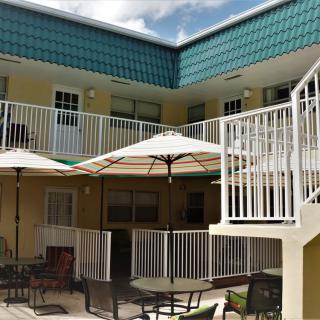
 16 resident community capacity
 Assisted Living
 Board and Care Home
 Respite Care
 Activities off-site
 Bath tubs
 Beautician on-site
 Cable or satellite TV
 Devotional services off-site
 Dining room
 Fully furnished
 Garden
 Housekeeping services
 Indoor common areas
 Move-in coordination
 Outdoor common areas
 Telephone
 Wheelchair accessible showers
 Wi-Fi/high-speed internet available
 Fort Lauderdale-Hollywood International (4 miles away)
 24-hour supervision
 Ambulatory care
 Assistance with bathing
 Assistance with dressing
 Assistance with transfers
 Diabetes diet
 Diabetic care
 Incontinence care
 Meal preparation and service
 Medication management
 Special dietary restrictions
 Transportation arrangement (medical)
 Transportation to doctors appointments




 Beyond the Bingo Hall: 50+ Enriching Activities for Seniors in Assisted Living
 Understanding the Distinctions: Assisted Living and Memory Care Explained
 Guiding Elderly Parents Who Refuse Assisted Living: 6 Practical Steps