
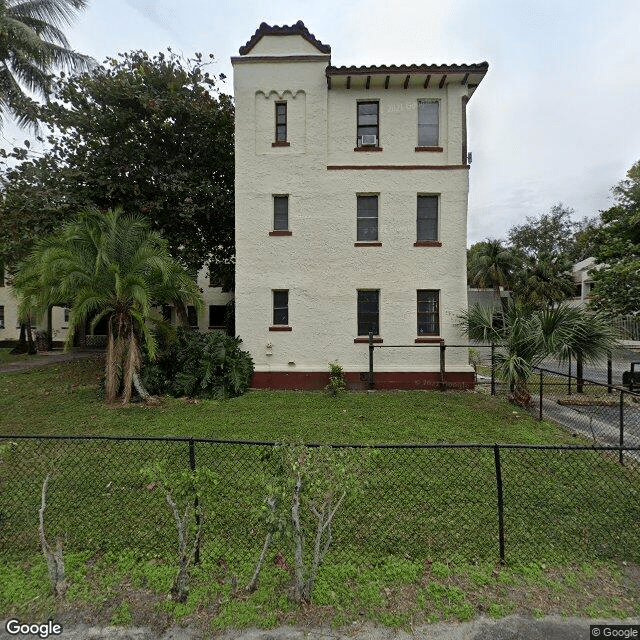
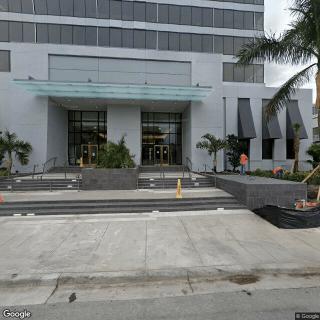
824 Southeast 2nd Street, Fort Lauderdale, FL 33301
To contact a resident: (954) 463-4973
For more information about senior living options: (866) 208-4318
Towers Retirement Home Costs & Pricing
At Towers Retirement Home, the costs for accommodation are notably competitive when compared to both Broward County and the wider state of Florida. For a semi-private room, residents can expect to pay $1,500 per month, which is significantly lower than the county average of $2,902 and the state average of $3,009. Similarly, for those seeking a more private living arrangement in a studio, the monthly fee is set at $2,000 - again well below Broward County's average of $3,601 and Florida's overall average of $3,823. These pricing structures highlight Towers Retirement Home as an appealing option for those seeking quality care at a more accessible price point within a region where senior housing costs can be quite high.
| Floor plans | Towers Retirement Home | Broward County | Florida |
|---|---|---|---|
| Semi-Private | $1,500 | $2,902 | $3,009 |
| Studio | $2,000 | $3,601 | $3,823 |
Assisted Living communities with a similar price nearby
-
from -$100 / mo
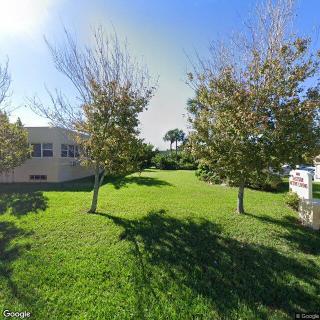
Nova Palms ALF
$1,400 to $2,400 / month6.5 miles away -
About the same
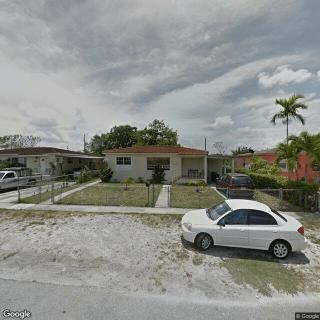
Hogar De Amable Consuelo
$1,500 to $3,000 / month19.3 miles away -
from -$200 / mo
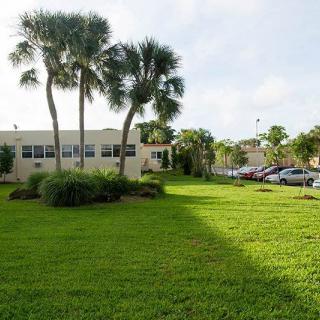
Eastside Active Living
$1,300 to $1,950 / month6.6 miles away -
from +$100 / mo
Epworth Village Retirement
$1,600 to $1,980 / month20.6 miles away -
from +$100 / mo

Am Grand Court Lakes
$1,600 to $2,900 / month12.2 miles away
Overall Review of Towers Retirement Home
Pros
 The staff members were described as super nice and willing to answer questions.
- A facility tour was guided by attentive staff who showed rooms, common areas, and outdoor spaces.
- Residents can participate in activities, such as exercise, with staff involvement and companionship.
- The rooms were very clean and nurses checked on residents several times, demonstrating attentive care.
- The overall impression of the place was positive.
Cons
 Not everyone has their own one-bedroom apartment.
- Some residents have two or three other roommates in a so-called one-bedroom apartment.
- In emergencies, staff may not call 911 when someone needs help.
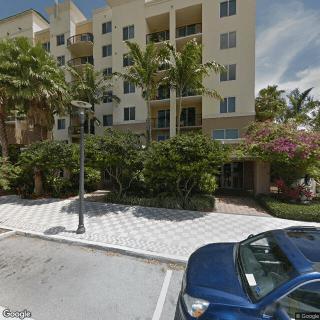
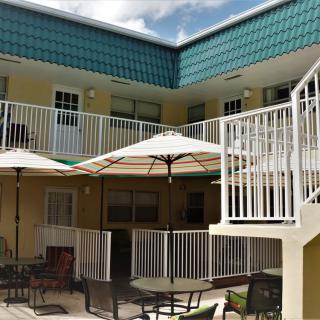
- The building is run-down and under construction, with doors left wide open and no security.
- It smells of cigarette smoke and is dark and dingy.
- People should not be sent there.
Review
Towers Retirement Home in Fort Lauderdale is best suited for seniors who can tolerate shared living arrangements and are seeking a low-cost, basic care option rather than a polished, modern environment. The community appears to offer at least some nursing attention during the day, and the on-site staff who give tours and check in on residents during activities create a sense of daily support. However, this comes with a caveat: not every resident has a private one-bedroom apartment; several rooms reportedly house two or three roommates in what is described as a one-bedroom floor plan. For families prioritizing affordability and social interaction over privacy and premier facilities, Towers can feel like a practical choice, on the surface.
Those who require private space, strong security, clean air, and consistently reliable emergency response should seriously consider alternatives. The facility’s drawbacks, reports of an under-construction feel, run-down physical condition, doors left wide open, and a pervasive cigarette odor, raise red flags about day-to-day safety and maintenance. If a resident depends on timely 911 activation or expects a secure environment with controlled access, this community is unlikely to meet those expectations. For seniors with limited mobility who need comprehensive medical oversight, the trade-off between lower cost and risk tolerance will be decisive, and such families may decide to look elsewhere before committing.
On the upside, there is evidence of present, caring staff and some daily nursing attention. A tour experience where staff were described as friendly and responsive, plus a clean room and routine checks on a resident, demonstrates that attentive care can be part of the package. Activity programming, like exercise groups, provides social engagement that many families value. Yet these positives do not fully compensate for the core weaknesses. The sense of a deteriorating building, ongoing construction, unsecured doors, and lingering smoke odors undermines dignity, safety, and independence, particularly for residents who require predictable routines and reliable access to emergency help.
Several reviews also raise concerns about privacy and living arrangements, noting that some people share a cramped space that should be private. The claim that roommates may outnumber a single resident’s private quarters indicates a lack of privacy that can erode quality of life. The most serious warning remains the suggestion that staff may not immediately call 911 in emergencies, a policy misalignment that jeopardizes safety in critical moments. These factors erode trust and create a hesitancy for families evaluating whether to place a loved one in a facility that, on paper, promises care but in practice presents a fragile safety net.
To decide with confidence, prospective residents should demand a transparent, current snapshot of occupancy, room types, and security measures. Ask to tour a typical unit to verify whether private rooms exist and how roommates are assigned. Obtain a written emergency protocol that specifies who calls for help, response times, and on-site medical staff availability. Inspect common areas for upkeep and air quality; note odors, lighting, and maintenance requests. Speak with several residents about day-to-day life and request references from families who recently moved someone in. Check licensing status, recent inspection reports, and any outstanding corrective actions.
Bottom line: Towers Retirement Home is a tentative choice only for families willing to compromise on environment and privacy in exchange for lower cost and some staff presence. If safety, privacy, consistent emergency responsiveness, and a well-maintained building are non-negotiable, alternatives will deliver greater peace of mind. For those who can tolerate the risk and value social interaction and affordability, this community warrants serious but cautious consideration, provided there is a clear, strict checklist and upfront alignment on expectations before any placement.
 Assisted Living
 Activities on-site
 Devotional services off-site
 Indoor common areas
 Resident parking
 Fort Lauderdale-Hollywood International (4 miles away)
 Ambulatory care
 Diabetic care
 Medication management
 Meals provided



 Is Assisted Living Deductible on Your Taxes? Understanding the Complexities of Assisted Living Expenses and Deductions
 Assisted Living Support for Veterans: A Complete and Detailed Overview
 Exploring the Contrasts Between Assisted Living and Skilled Nursing