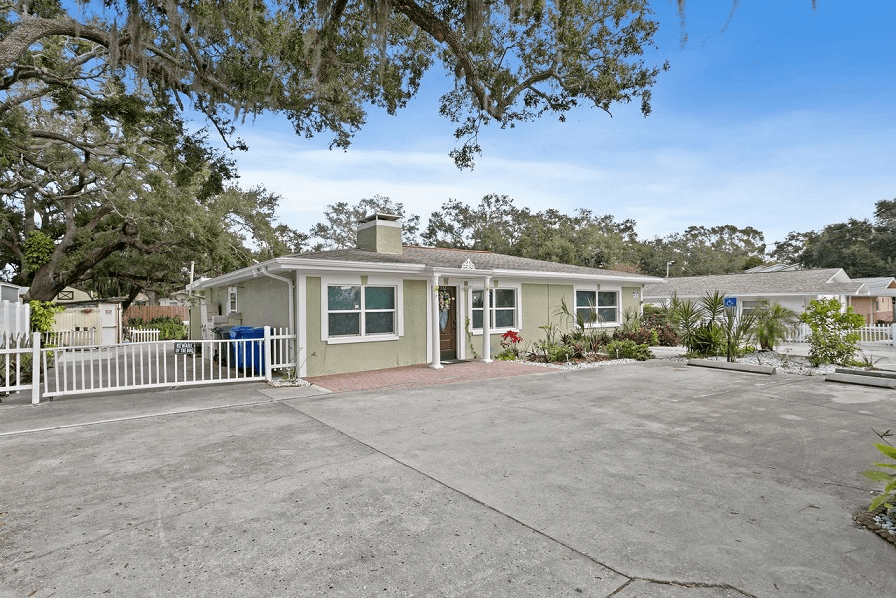
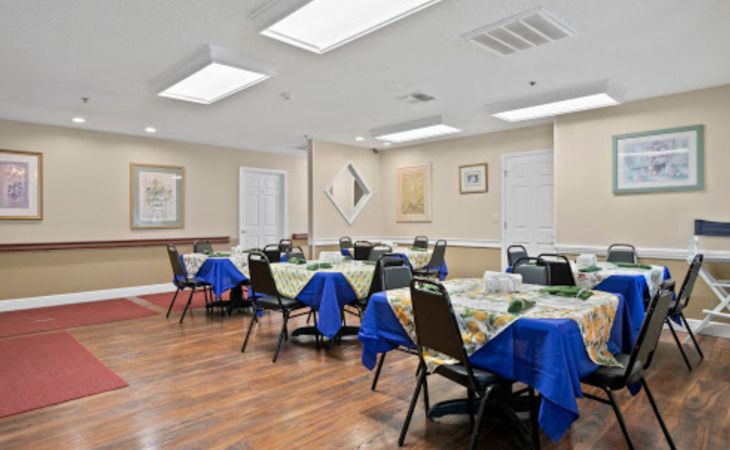
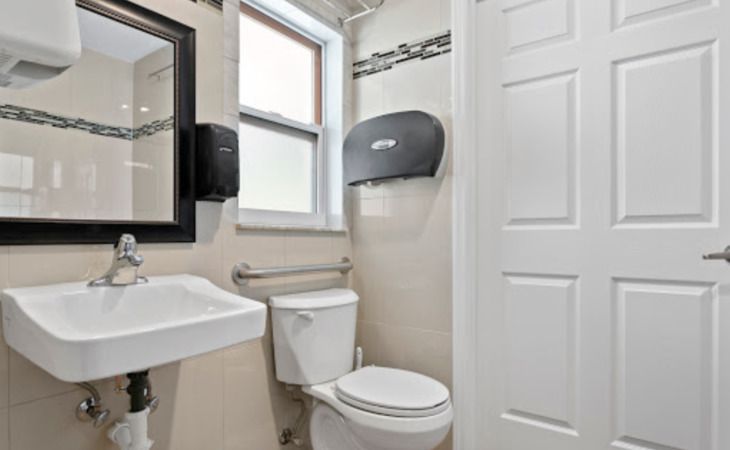
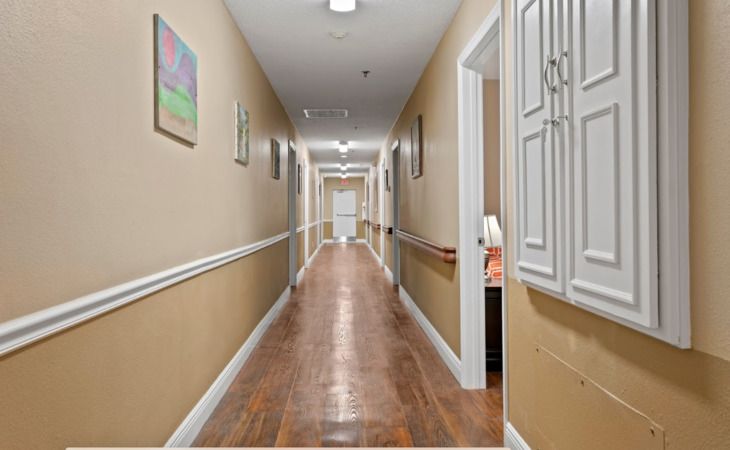
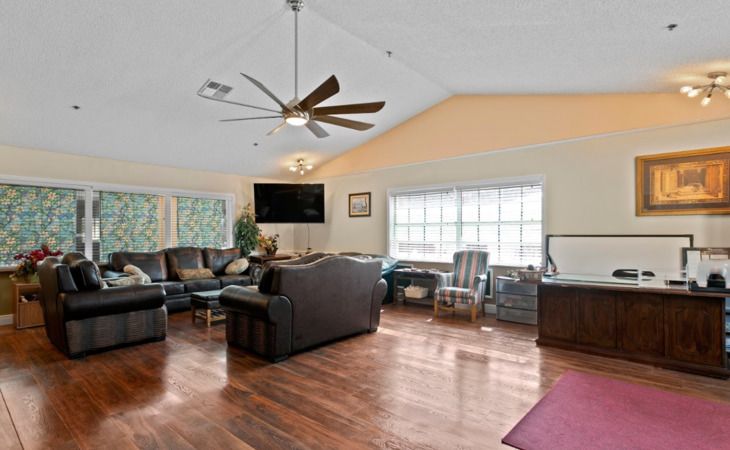


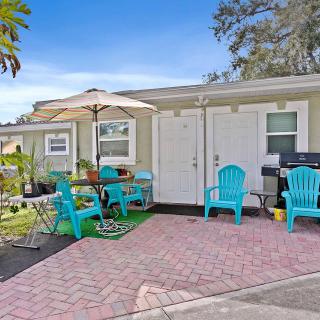


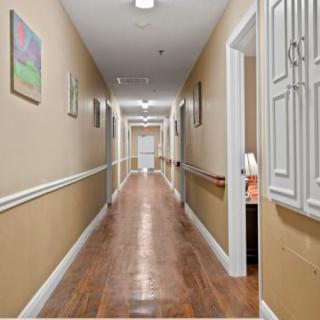
534 Howell Street, Dunedin, FL 34698
For more information about senior living options: (866) 208-4318
Sunrise Gardens Of Dunedin Costs & Pricing
Sunrise Gardens of Dunedin offers competitive pricing for its residents, making it an attractive option in the realm of assisted living. The cost for a semi-private room at this facility is $2,500 per month, which is notably lower than the average rates in Pinellas County at $2,765 and the statewide average in Florida at $3,009. For those seeking a studio apartment, Sunrise Gardens charges $3,100 per month - again more affordable compared to the county average of $3,598 and the state average of $3,823. These pricing structures not only highlight Sunrise Gardens' commitment to providing value but also suggest a quality living experience that aligns with financial sensibilities in both the local and broader market.
| Floor plans | Sunrise Gardens Of Dunedin | Pinellas County | Florida |
|---|---|---|---|
| Semi-Private | $2,500 | $2,765 | $3,009 |
| Studio | $3,100 | $3,598 | $3,823 |
Assisted Living communities with a similar price nearby
-
About the same

Mi Bello Hogar Living Facility
$2,500 / month17.5 miles away -
from +$100 / mo
Hilda's Home Care Alf
$2,600 to $2,800 / month12.7 miles away -
About the same
Grand Villa of Clearwater
$2,495 to $3,295 / month5.1 miles away -
from -$305 / mo

The Baybrook of Largo
$2,195 to $3,695 / month7.6 miles away -
from -$130 / mo
Bay Wood Senior Living
$2,370 to $4,098 / month12.5 miles away
Overall Review of Sunrise Gardens Of Dunedin
Pros
 The place is amazing.
- The place feels like a palace.
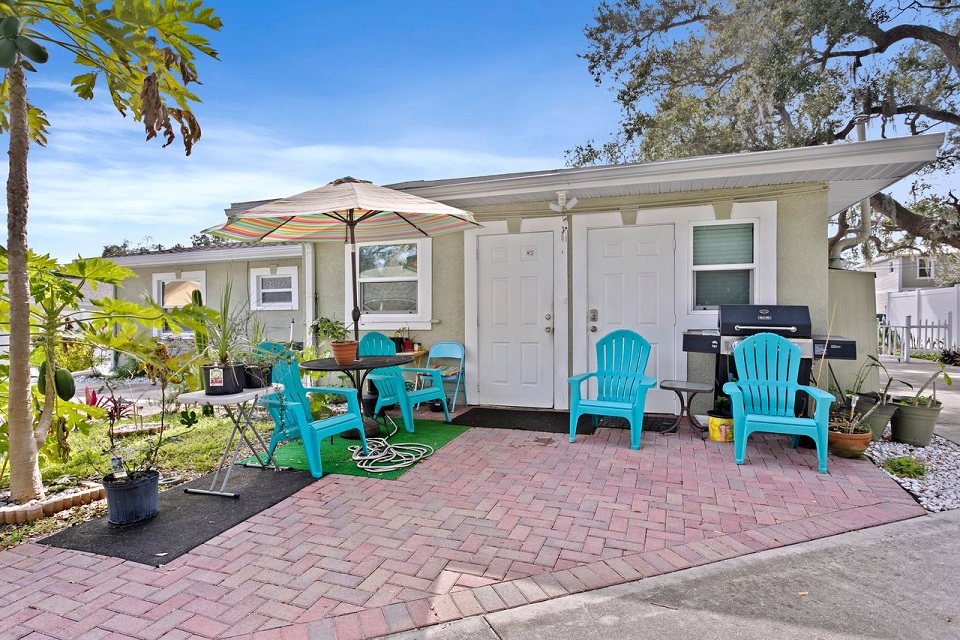
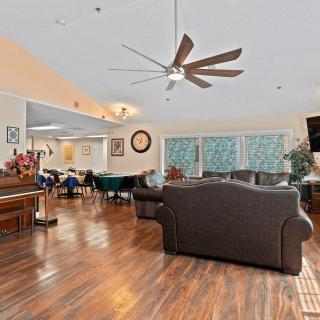
- The pictures accurately show how nice and homey the place is.
- The staff is amazing.
- The food is awesome.
- The owner is family-oriented and cares about the tenants.
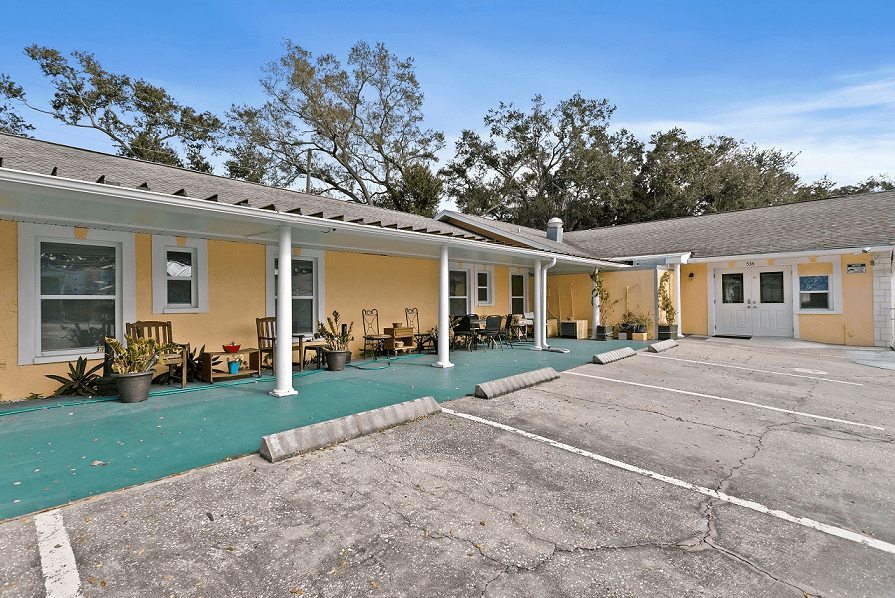
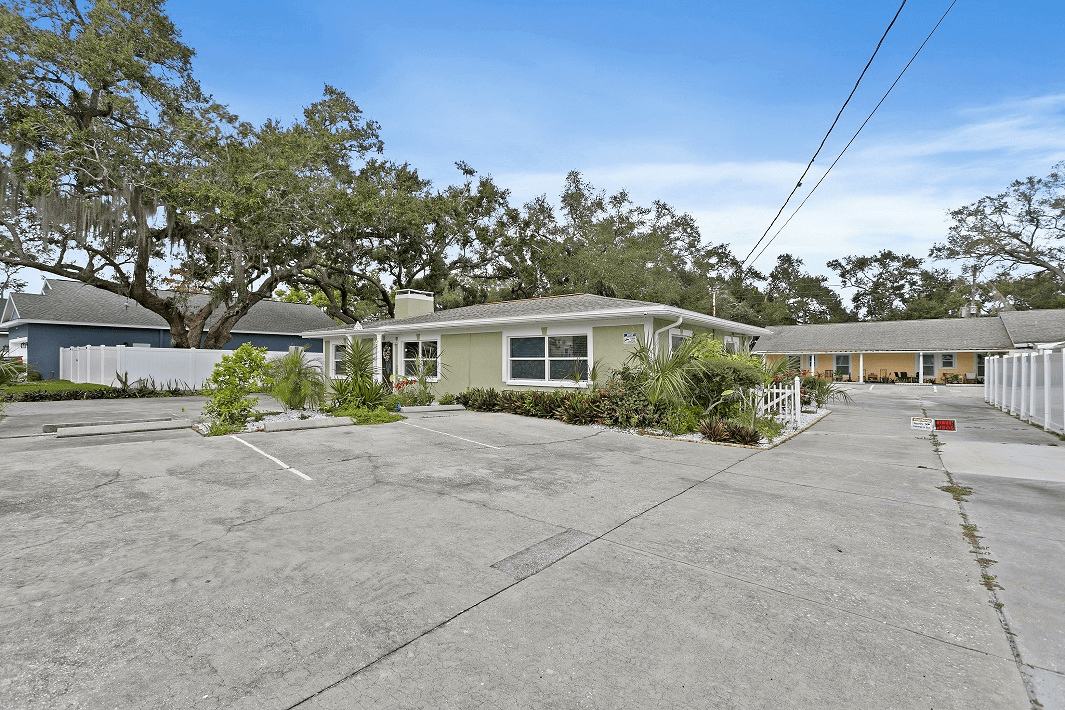
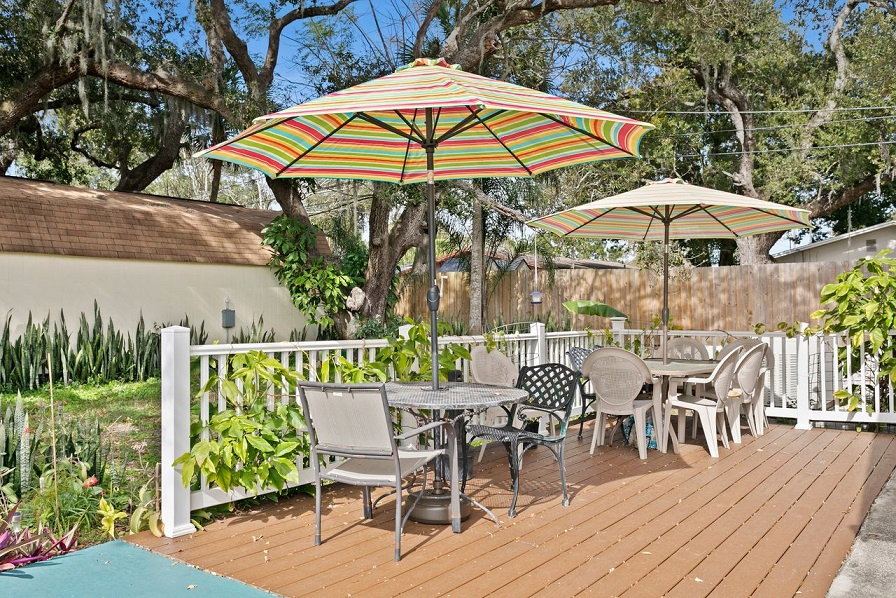
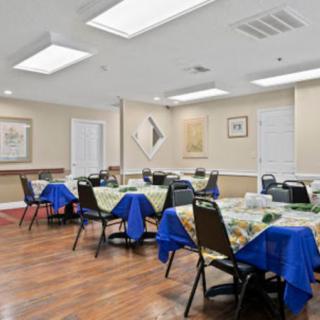
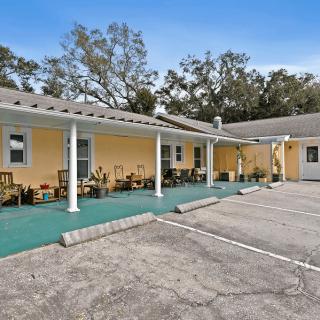
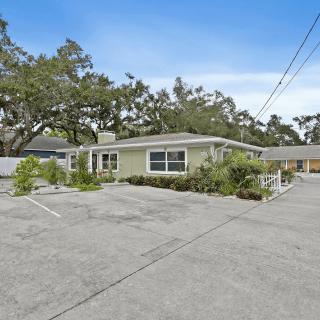
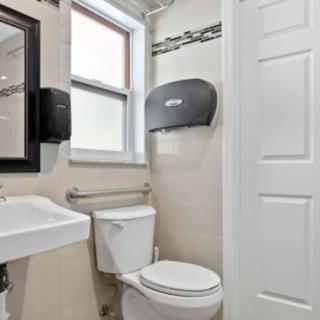
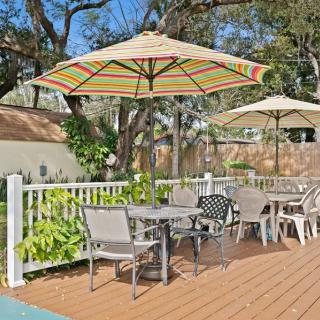
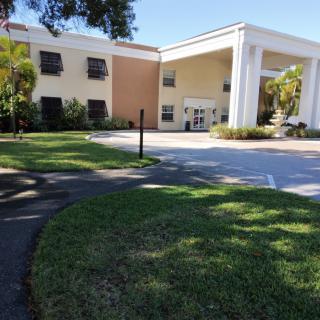
- The facility is peaceful with gorgeous grounds and feels like home.
- The facility is highly recommended.
Cons
 Bed bugs are reported at the facility.
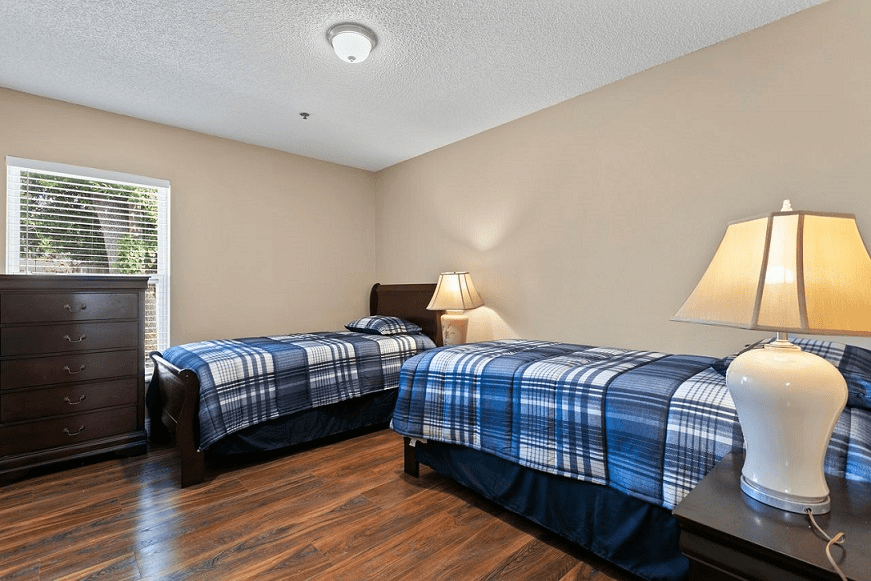
- A bedroom had a large area of tile floor water damage near the bathroom sink that remained unrepaired for about nine months, making the place not safe for residents.
- A staff member is described as sometimes nasty and not very nice, and the food portions are described as very small.
- A reviewer strongly warns against sending any family members to the facility.
Review
Sunrise Gardens of Dunedin is best suited for seniors who prize a home-like, family-run atmosphere, where the setting feels less clinical and more like a welcoming community. It works well for residents who want a social, engaging daily life, pleasant grounds, and dependable dining, delivered with a warm, personal touch. This is a solid fit for those needing light to moderate assistance with daily activities and who can tolerate occasional maintenance gaps or safety hiccups without letting them dominate the experience. It is not ideal for residents who require high-level medical oversight, constant safety monitoring, or a rigid, highly managed environment. Families focused on predictability in safety, flawless upkeep, or in-house intensive clinical care should consider alternatives.
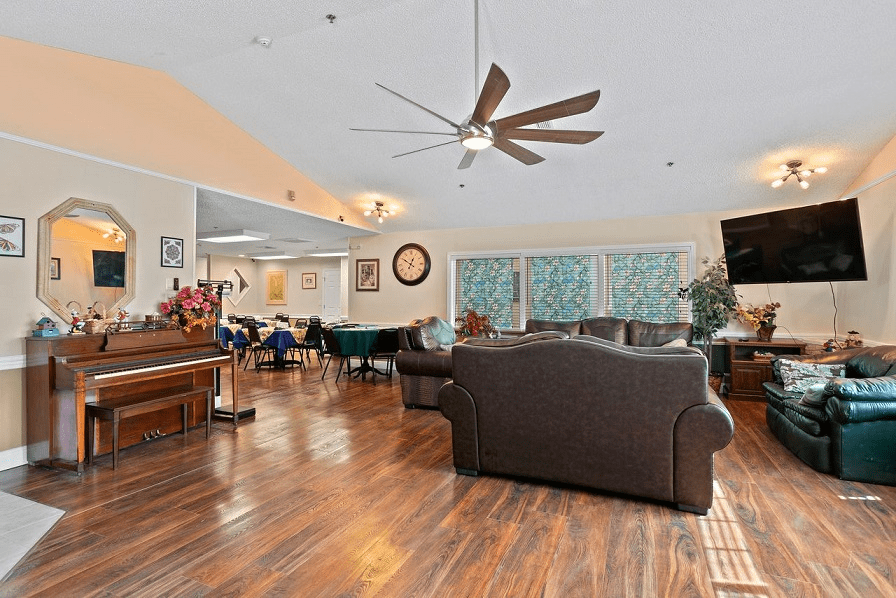
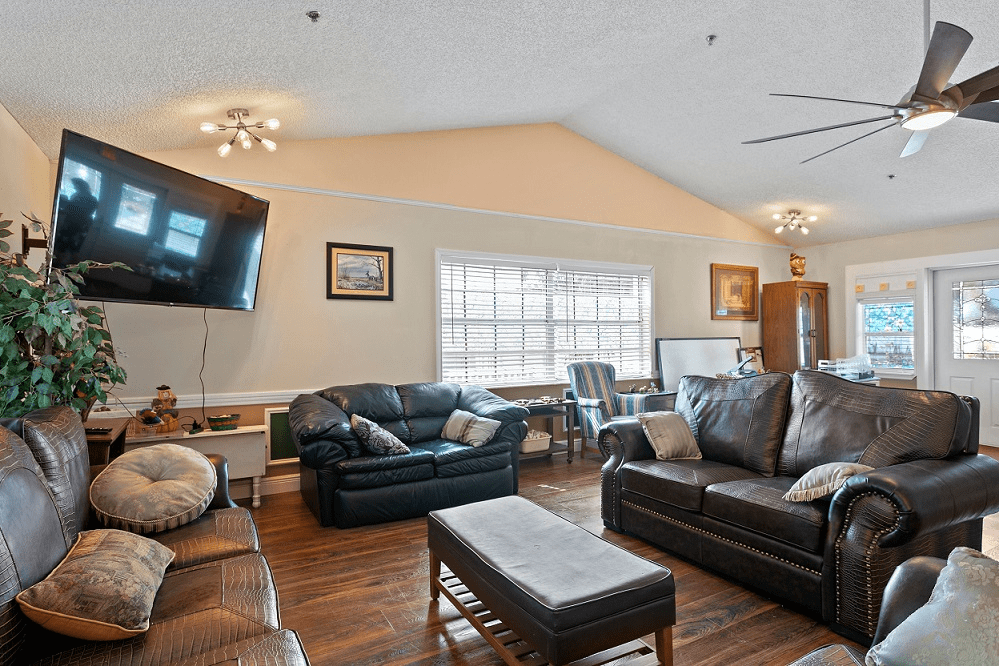
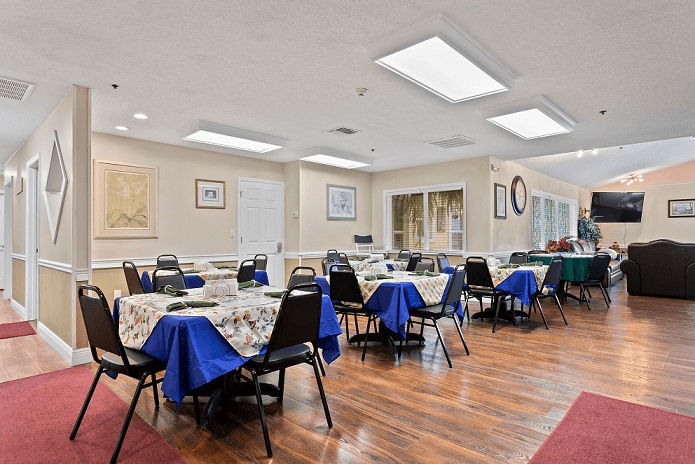
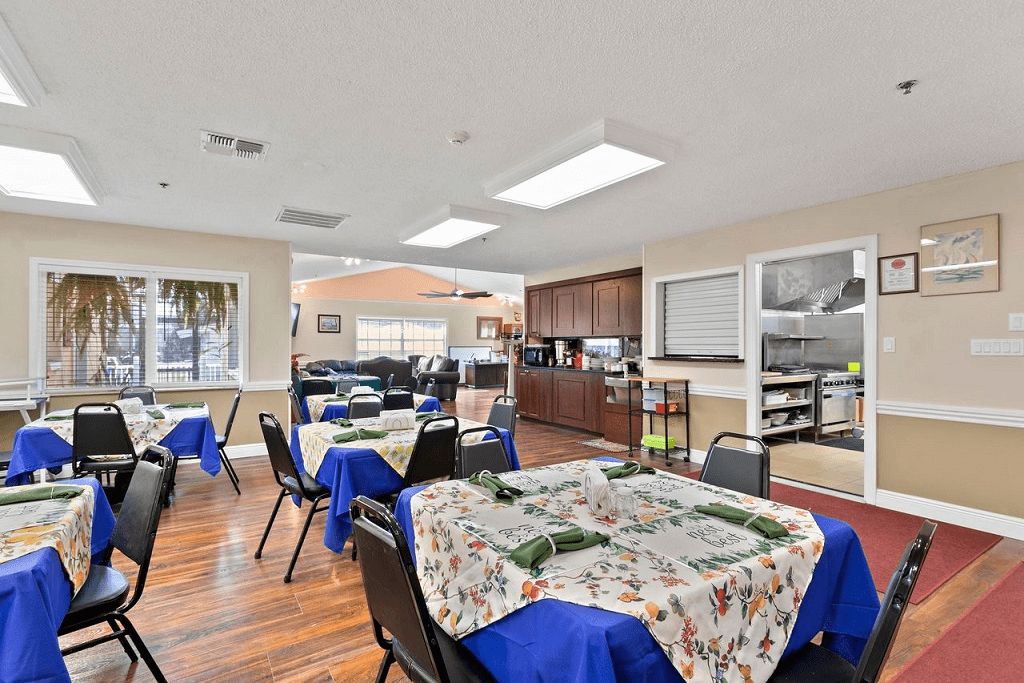
The strongest selling points are human warmth and environment. Residents and families consistently describe a genuine, family-run feel where staff are responsive, friendly, and attentive. The campus itself is described as clean and homey, with grounds that invite easy strolling and outdoor enjoyment. The dining experience receives positive notes, and the overall atmosphere supports social interaction, making life feel purposeful and less institutional. This combination, caring staff, a personable culture, and a comforting setting, is a meaningful differentiator for seniors who value everyday quality of life and interpersonal connection.
But the picture isn’t uniform. The most serious concern cited is a safety-related maintenance lapse: a bedroom floor with water damage that remained unrepaired for months, followed by a fall that resulted in a fractured wrist and hip joint. That sequence raises legitimate questions about accountability for safety, responsiveness to repairs, and the strength of fall-prevention practices. At least one review hints at inconsistent interactions with staff, and another account mentions pest issues (bed bugs), signaling that cleanliness, maintenance, and pest-control standards should be scrutinized. These are not subtle red flags; they reflect concrete risks that families must weigh when assessing whether the overall warmth of the community can outweigh potential safety and upkeep gaps.
The pros can offset the cons for the right resident, provided Sunrise Gardens demonstrates concrete, ongoing improvement in safety and maintenance. The homey atmosphere, pleasant meals, and consistently kind staff create a daily life that feels dignified and relaxed, an important quality for many families during transitions. If management commits to a transparent repair cadence, robust safety protocols (including fall prevention and hazard remediation), and proactive pest-control measures, the positive aspects are far more likely to be the defining experience. In short, the human dimensions, care, courtesy, and a welcoming vibe, can turn potential risk into manageable, expectation-aligned living.
For families weighing options, this community makes sense when the priority is a warm, social, and less clinical setting, with a willingness to monitor and hold leadership to account on safety and upkeep. Alternatives should be considered when precise safety metrics, rapid maintenance responses, or aggressive clinical oversight are non-negotiable. Look for facilities with clear maintenance logs, guaranteed response times, and demonstrable upgrades to safety infrastructure. For residents with complex medical needs or mobility risks requiring constant, formal oversight, seek communities with stronger on-site nursing, medication management, and defined care plans that extend beyond Sunrise Gardens’ current scope.
Bottom line: Sunrise Gardens of Dunedin offers a compelling blend of charm, sociability, and solid dining within a tranquil, family-run environment. It can be an excellent fit for seniors who want a homey, community-centric setting and are prepared to engage with management to ensure safety issues are promptly and effectively addressed. Prospective families should tour with a focused checklist: observe staff interactions, ask for maintenance timelines and safety protocols, review pest-control history, and gauge how repairs are tracked and completed. If those lines of inquiry yield confidence, Sunrise Gardens stands as a warm, life-enhancing choice. If not, there are alternatives with tighter safety oversight and maintenance discipline that should be pursued without hesitation.
 50 resident community capacity
 Assisted Living
 Cats allowed
 Dogs allowed
 Activities on-site
 Air-conditioning
 Bath tubs
 Beautician on-site
 Cable or satellite TV
 Devotional services off-site
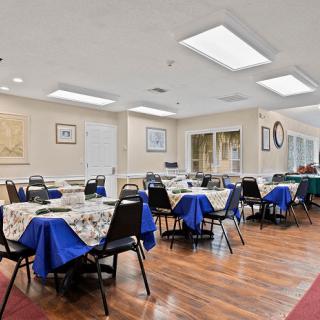
 Dining room
 Fully furnished
 Garden
 Ground floor units
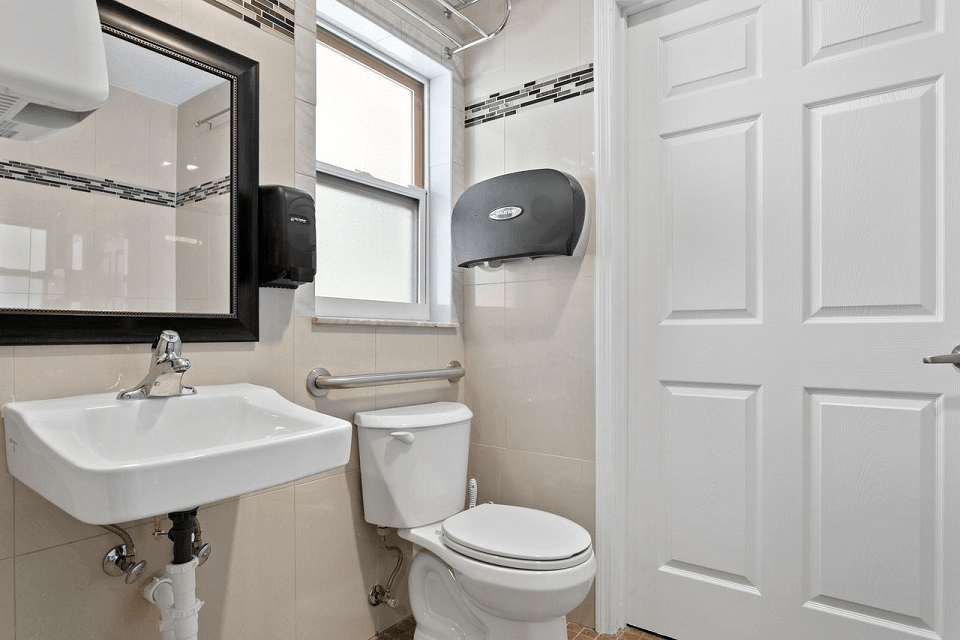
 Handicap accessible
 Housekeeping services
 Indoor common areas
 Kitchenette
 Move-in coordination
 Outdoor common areas
 Telephone
 Wheelchair accessible showers
 Wi-Fi/high-speed internet available
 St. Petersburg-Clearwater International (10 miles away)
 24-hour call system
 Ambulatory care
 Assistance with bathing
 Assistance with dressing
 Assistance with transfers
 Diabetes diet
 Incontinence care
 Meal preparation and service
 Medication management
 Mental wellness program
 Special dietary restrictions
 Transportation arrangement (medical)
 Transportation to doctors appointments
 Art classes
 Catholic services
 Day trips and outings
 Educational speakers / life long learning
 Happy hour
 Jewish services
 Karaoke
 Live well programs
 Wine tasting







 Exploring the Contrasts Between Assisted Living and Skilled Nursing
 8 Key Indicators That Suggest It May Be Time to Transition from Assisted Living to Skilled Nursing Care
 Vibrant Senior Living: A Comprehensive Guide for Active Older Adults