
100 E Linton Blvd # 102B, Delray Beach, FL 33483
To contact a resident: (561) 243-8818
For more information about senior living options: (866) 208-4318
Overall Review of Nomel's Home Care Inc
Pros
 They are professional, compassionate, and genuinely committed to care.
- They pair clients with qualified, kind-hearted, and attentive aides.
- Their aides are always punctual, respectful, and supportive.
- They deliver care with thorough attention to detail, giving families peace of mind.
- They maintain consistent communication and are willing to adjust when needed.
- They treat clients like family and offer reliable, compassionate home care.
- They go above and beyond, providing emotional comfort, dignity, and security.
- They show dedication, kindness, and professionalism that eases challenging journeys.
- They provide excellent service and consistently go the extra mile.
- They are highly recommended for home care.
Review
Nomel’s Home Care Inc in Delray Beach is best suited for families that want steady, compassionate in-home support for a loved one who benefits from daily assistance, companionship, and dignity-preserving care without moving into a facility. The accounts describe a team that blends professionalism with genuine warmth, taking time to understand each family’s routines and pairing clients with aides who are not only qualified but also kind-hearted and attentive. The experience is described as smooth and stress-free from the first contact, underscoring a process that centers on matching the right caregiver to the person who needs care. This is care anchored in trust, reliability, and personal connection, with the sense that the caregiver becomes a trusted extension of the family.
However, alternatives make sense for families whose priorities include robust medical oversight or memory-care environments. If a loved one requires constant nursing supervision, complex medical tasks, or a structured, facility-based program, a traditional assisted living setting or a home-health arrangement with licensed nurses may be more appropriate. The strength of the in-home model lies in daily living support, social engagement, and emotional reassurance, not in on-site clinical care. For those with high medical needs, or for families seeking a medical-first approach, it’s prudent to explore options that provide constant clinical oversight and dementia-specific programming.
The strongest advantages here revolve around reliability and relational care. Aides are described as punctual, respectful, and deeply attentive, delivering not only practical assistance but also emotional support that brings peace of mind to families. Consistent communication emerges as a core virtue, with staff willing to adjust plans as needs evolve. The ability to adapt quickly, while maintaining a steady routine, reduces the chaos that often accompanies caregiving at home. Taken together, these benefits create a sense of security and continuity that most families place at the top of their decision criteria when weighing in-home support.
Those advantages effectively offset the typical gaps seen in non-clinical home-care models. The emphasis on “treating clients like family,” along with conscientious caregiver matching and ongoing responsiveness, helps mitigate concerns about impersonality, missed updates, or care-plan drift. In environments where care rotates among unfamiliar faces, the described approach stands out for building familiarity and trust. While medical tasks are not the focus here, the emotional and logistical stability provided by consistent, compassionate aides directly addresses the most challenging parts of aging at home: isolation, anxiety, and the stress of coordinating care with overwhelmed family members.
To translate these impressions into a practical decision framework, prospective families should verify a few specifics. Inquire about the caregiver-matching process and how supervision is maintained to ensure consistency over time. Ask about service hours, weekend and evening coverage, and the protocol for care-plan updates as needs change. Clarify what medical tasks, if any, the agency supports in-house and how coordination with external medical providers is handled. Finally, discuss price structure, billing cycles, and what happens if a caregiver becomes unavailable, so that plans can scale without disruption.
Bottom line: for families prioritizing dependable, empathetic, in-home care that preserves dignity and reduces daily stress, this model offers a compelling, workable solution in Delray Beach. The care pattern shines where consistent staffing, clear communication, and a caregiver who treats the client with genuine warmth and respect are non-negotiable. Alternatives should be considered only when medical complexity or the desire for a community-based living arrangement necessitates on-site nursing oversight or dementia-specific programming. In any choice, prioritize the caregiver–client fit, the clarity of the care-plan process, and the reliable communication backbone that makes home-based care truly sustainable.
 Board and Care Home
 Palm Beach International (17 miles away)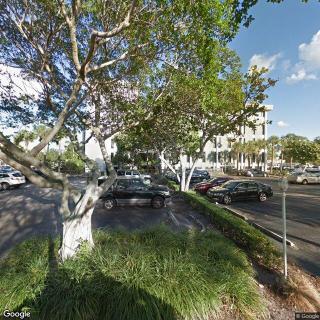






 Is a Geriatric Care Manager the Right Choice for Your Family?
 Compassionate Conversations: How to Comfort Someone Who Is Grieving
 Home Health Care Aides: Understanding Their Role and Supporting Your Family