

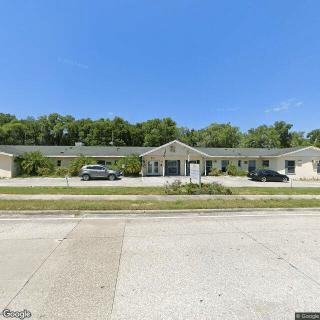
2109 E New York Ave, Deland, FL 32724
To contact a resident: (386) 943-8500
For more information about senior living options: (866) 208-4318
Overall Review of The Good Shepards East
Pros
 The staff at Good Shepherd Deland are professional, caring, and regarded as part of the residents’ extended family.
- The atmosphere is homey, with comfortable rooms and a welcoming, family-style dining experience.
- The residence offers healthy meals served three times a day and celebrates holidays and birthdays with residents and families.
- Families are encouraged to visit and participate in celebrations, and visits are welcome anytime.
- The staff are knowledgeable, keep families informed about progress and concerns, communicate regularly, and have gone above and beyond during COVID to keep residents safe.
- The care is honest, high-quality, and reasonably priced compared with other local retirement or nursing homes.
- The property features a butterfly garden and walking path, contributing to a pleasant environment.
Review
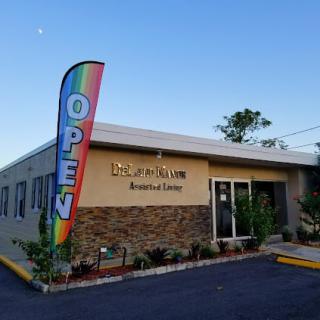
The Good Shepherds East in Deland, FL is best suited for families seeking a warm, intimate assisted living where staff relationships feel personal, honest, and deeply attentive. This community thrives on a home-like atmosphere, with rooms described as real and comfortable, and a campus that invites families into daily life rather than isolating residents. The balance of professional care with genuine kindness is repeatedly highlighted, making it a natural home for seniors who value steady, personal attention over glossy, impersonal amenities. Visitors note a calm, welcoming environment, where meals are family-style, the grounds are pleasant, and celebrations of birthdays and holidays feel genuine. For families worried about cost, the setting is also presented as more affordable than comparable local options, without sacrificing essential care.
Those who should consider alternatives are residents needing intensive medical oversight or highly specialized programming. If the primary priority is a large, feature-rich campus with extensive on-site medical services or a dedicated memory-care program, other communities may be a better fit. Likewise, if Medicaid planning or broader financial options are a critical piece of the decision, it pays to compare networks and eligibility processes elsewhere. The Good Shepherds East delivers a strong, value-driven experience, but it operates as a smaller, more intimate setting rather than a major medical hub, so families with escalating clinical needs should verify that the level of care matches expectations over time.
The strongest positives, exceptional staff, honest communication, and a true sense of family, offset several potential downsides. Families consistently praise staff for being professional yet genuinely caring, with transparency about residents’ progress and concerns. The homey, organized environment, clean, spacious rooms, and a dining routine that feels communal, cultivates comfort and belonging. The staff’s attentiveness, coupled with regular director updates and open channels for family involvement, creates peace of mind that care plans stay aligned with loved ones’ wishes. The setting’s accessibility to family participation, plus the butterfly garden and walking paths, enriches daily life and reinforces a sense of normalcy and dignity.
Potential drawbacks are largely about scale and scope. As an intimate ALF, the facility may have fewer on-site medical resources and less intensive programming than larger operations. For residents who eventually require more complex skilled nursing or specialized dementia care, transition plans should be clarified early, including what services exist on-site or are available nearby. The price advantages are appealing, but still require careful budgeting and confirmation of what is included in monthly fees. In short, the pros create a high-quality, emotionally supportive home, while the cons suggest a prudent check on future care trajectories to ensure continued alignment with evolving needs.
When evaluating, prioritize conversations about care planning, staffing ratios, and visit frequency. Observe how staff interact with residents, whether conversations feel respectful, patient, and attentive, and request a sample menu to confirm that meals meet nutritional and taste expectations. Inquire about activity calendars, holiday celebrations, and opportunities for family involvement beyond occasional visits. Confirm the policy on visits, what tools exist for family updates, and how dietary or medical changes are communicated. This approach ensures that the resident’s personality and preferences remain central, while also clarifying how the community will respond if needs shift.
Ultimately, The Good Shepherds East stands out for families who prize authenticity, warmth, and a genuine, caring team. It is a strong match for seniors who want a smaller, homelike setting where staff know residents by name, family involvement is welcomed, and care feels sincere rather than transactional. It offers meaningful daily life through community dining, social celebrations, and accessible outdoor spaces. For those whose priorities include rigorous medical oversight or expansive memory-care programming, it is wise to examine alternatives and confirm fit through a direct visit and candid questions with leadership. A thoughtful comparison will reveal this community as an excellent match for the right resident and family dynamic.
 Board and Care Home
 Daytona Beach International (16 miles away)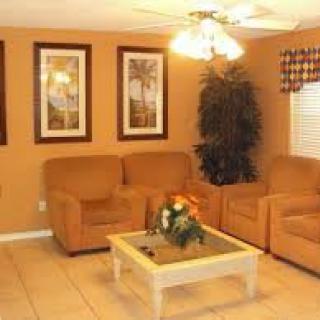



 Urinary Tract Infections in Older Adults: Comprehensive Insights on Symptoms, Treatment, and Prevention
 California's Form 602A: An In-Depth Examination of Senior Care Assessment
 Comprehensive Look at Senior Blood Pressure Charts: Normal and Elevated Levels by Age