
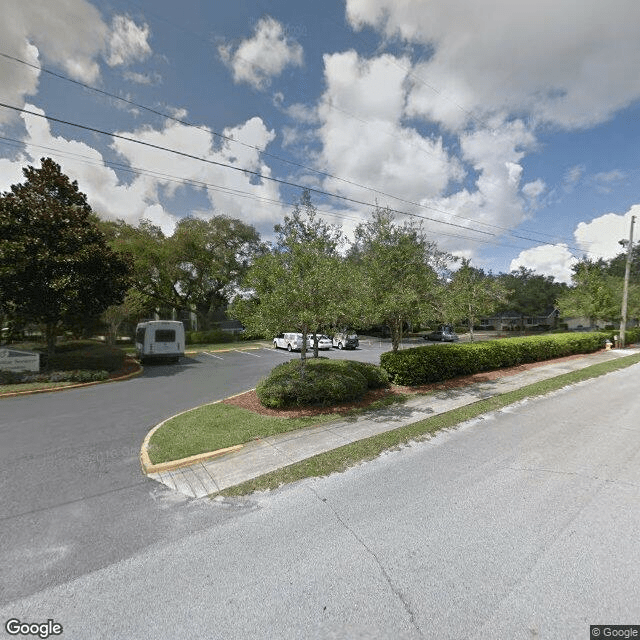
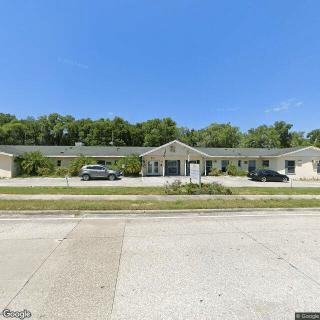
450 N Mcdonald Ave, De Land, FL 32724
To contact a resident: (904) 736-5800
For more information about senior living options: (866) 208-4318
Overall Review of Florida Lutheran Retirement
Pros
 The care plan shows a commitment to the patientā€™s well-being by including daily outdoor time for fresh air.
- Taking the patient outside for fresh air demonstrates thoughtfulness about her health and comfort.
- The reviewers value compassionate, respectful communication as a key aspect of quality care.
- Their decision to seek a new facility reflects a proactive focus on securing better, more attentive care.
Cons
 The staff did not follow the care plan to take the mother outside for fresh air each day.
- The mother was taken outside while she was asleep, with no one talking to or acknowledging her.
- She was treated like a plant rather than a person by the staff.
- The outside time was likely just an excuse for nurses to take a break and leave the building.
- The reviewers observed eye-rolling, rude looks, and excuses when they complained.
- They are seeking another facility due to the poor treatment they experienced.
Review
Florida Lutheran Retirement in DeLand is best suited for seniors whose care needs are modest and who can tolerate a program that leans toward routine tasks over personalized engagement. This community appears to serve residents comfortable with a straightforward, task-driven environment rather than a highly attentive, relationship-based model of care. Families should come prepared to manage expectations around daily interaction and proactive problem-solving, because the atmosphere signals a preference for efficiency over warmth. In short, it works for a resident who can get by with the basics and does not demand advocacy or consistent, individual attention to daily well-being.
Those who may want to consider alternatives include families seeking strong, compassionate care where care plans are executed with precision and respect. Anyone relying on regular, meaningful daily activities, timely responses to requests, and verification that prescribed routines (such as outdoor time for fresh air) are actually carried out will likely be disappointed here. The reported experience, care treated as a checkbox rather than a responsibility, with complaints met by excuses and dismissive attitudes, should be a red flag for relatives who value dignity, transparency, and accountability.
From a practical perspective, the sole positive thread is the existence of a documented care plan and some attempt to honor it by providing outdoor time. Yet the execution matters far more: taking the resident outside while asleep, without conversation, engagement, or visible monitoring, defeats the therapeutic and safety aims of such a routine. That moment illustrates a broader pattern: minimal social contact, limited eye contact from staff, and a refusal to acknowledge concerns beyond curt explanations. When care feels perfunctory and complaints are met with armor of excuses, the core strength of assisted living, person-centered care, erodes quickly.
Families evaluating this community should demand concrete evidence of how care plans are implemented day-to-day. Ask for detailed daily logs showing who supervises each resident, times for outside activity, and notes on social interaction and safety checks. Request that leadership outline how staff are trained to respond to concerns, how turnover is managed, and what corrective actions follow complaints. If the response is evasive or defensive, that is a sign that reliability and accountability are not embedded in the operation.
Given the concerns raised, prudent buyers should explore alternatives with demonstrably warm staff interactions, clear communication channels with families, and visible resident engagement. Look for facilities with regular care conferences, active activity calendars, and staff who greet residents by name. Consider trial visits at different times of day to observe real-time interactions and ask current residents or families about responsiveness and dignity. The absence of these signals in a community merits a shift to options that prioritize ongoing, respectful engagement.
In conclusion, Florida Lutheran Retirement in DeLand appears misaligned with standards of attentive, respectful elder care. The central risk is a detached, impersonal approach that leaves families without confidence in day-to-day oversight or the faithful execution of care plans. For households where dignity, timely communication, and daily meaningful activity are non-negotiable, alternatives should be pursued with urgency. This review encourages a thorough compare-and-visit process focused on staff accountability, consistent care execution, and a culture that treats residents as individuals rather than tasks.
 Independent Living
 Daytona Beach International (17 miles away)



 Home Health Care Aides: Understanding Their Role and Supporting Your Family
 Urinary Tract Infections in Older Adults: Comprehensive Insights on Symptoms, Treatment, and Prevention
 California's Form 602A: An In-Depth Examination of Senior Care Assessment