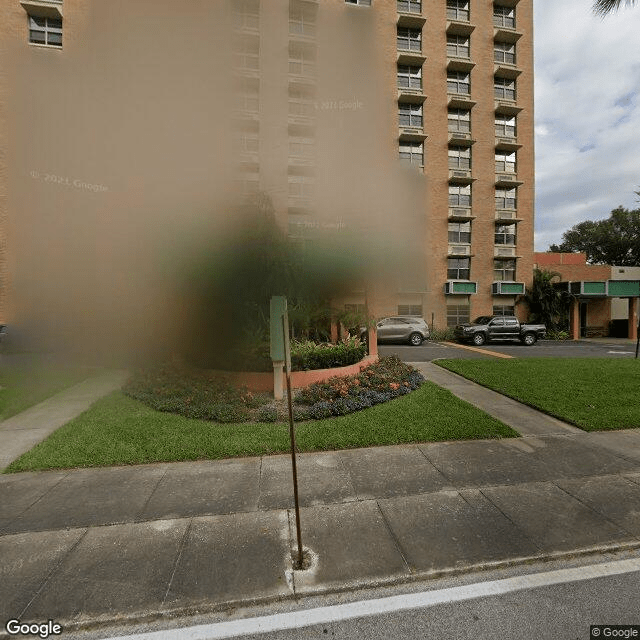
101 N Amelia Ave, De Land, FL 32724
To contact a resident: (904) 734-2299
For more information about senior living options: (866) 208-4318
Overall Review of College Arms Towers
Pros
 Residents describe College Arms Towers as heaven on earth, with a staff that always has residents' best interests in mind.
- The staff are consistently helpful and willing to work with residents to resolve issues.
- The rent is very reasonable, especially when utilities are included.
- One-bedroom units offer ample closet space and plenty of storage.
- Residents feel safe living there.
- Many residents consider the property a home and would not want to live elsewhere due to the supportive staff and community.
- There are plenty of activities and amenities to help residents stay busy.
Cons
 A staff member came flying out of the parking lot without looking and ran over a cyclist.
- Residents are limited to 14 visitor days per year, effectively preventing family members from staying more than two weeks.
- The rules are stupid.
- Management is bad.
- The parking lot is very small.
- The complex does not reliably check on elder family members or ensure their safety.
Review
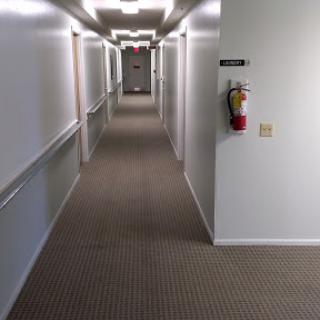
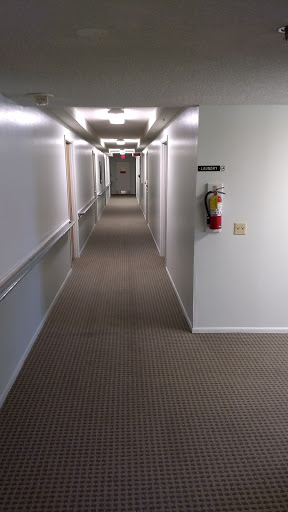
College Arms Towers in DeLand, FL is best suited for low-income seniors who want independent living with predictable, affordable housing and the social texture of a small community, but without in-place personal-care services. The property operates as a HUD-assisted apartment complex rather than a true assisted living facility, and rents can be dramatically low when programs like Section 8 apply. Residents often choose studios or one-bedroom units, with utilities included, which makes ongoing costs manageable for those who can navigate apartment-style living. For families seeking affordable housing that preserves autonomy and offers a built-in social milieu, College Arms delivers a workable, non-medical living option.
At the same time, alternatives should be strongly considered for anyone expecting daily care, continuous safety monitoring, or hands-on medical oversight. The complex does not provide personal care, and staff obligations stop at maintenance and hospitality rather than health management. A restrictive policy on visitors, only 14 days per year, creates a clear barrier for family involvement and long-distance caregiving. Safety concerns have appeared in reports, including a reckless incident involving a staff member and a very small parking area that can complicate logistics for residents and visitors. For seniors who need regular assistance with medications, mobility, or emergency response, a traditional assisted living facility or a home-health arrangement will deliver the necessary level of support.
Pros that do exist can meaningfully offset some downsides for the right resident. The staff and management are repeatedly described as friendly, responsive, and willing to resolve issues, with specific praise for managerial cooperation in addressing concerns. The affordability angle, low rent, utilities included, and potential HUD assistance, addresses a critical budgeting need many families face. The community atmosphere and the opportunity for meaningful social engagement also come through in resident remarks, suggesting a sense of belonging and routine that can sustain independence for many residents who do not require ongoing care.
Yet the cons carry real weight. The 14-visitor cap fundamentally clashes with family life and caregiving routines, and it can leave relatives feeling disconnected or uninvolved. Safety oversight is not guaranteed, and the absence of on-site care means problems can go unnoticed unless family or external professionals intervene. Parking limitations compound daily frustrations and logistical challenges, especially for residents with visitors or who rely on transport assistance. In combination, these factors reveal a core misalignment: a housing option that can be warm and affirming but is not a substitute for medical or caregiving infrastructure.
For decision-makers, the practical path is to match realities to needs. If independence, social connection, and financial predictability top the list, College Arms offers tangible value and a dignified living environment that many seniors will find appealing. Prospects should insist on clarity about any on-site services, emergency procedures, and how changes in health would be managed. If there is any expectation of regular care, monitoring, or flexible visitation, the prudent move is to scrutinize true assisted living alternatives or set up external caregiving arrangements to bridge the gap.
Overall, College Arms Towers functions as a solid housing option for independence-minded seniors who prioritize affordability and community belonging, while clearly signaling that it is not a caregiver-equipped solution. Families with stable, low-level needs and a plan for medical oversight will likely experience a workable balance of cost, comfort, and social life. Those anticipating daily assistance, continuous safety monitoring, or lenient visitation should pursue alternatives; a traditional assisted living community or a structured home-care plan will deliver the level of oversight and flexibility that this setting cannot provide.
 Active Adult Communities (55+)
 Daytona Beach International (18 miles away)

 Understanding Home Health Care: A Comprehensive Guide
 Home Health Care Demystified: A Comprehensive Guide for Families and Caregivers
 Seniors and Modern Transportation: Exploring Uber, Lyft, and Other Ride-Hailing Options