
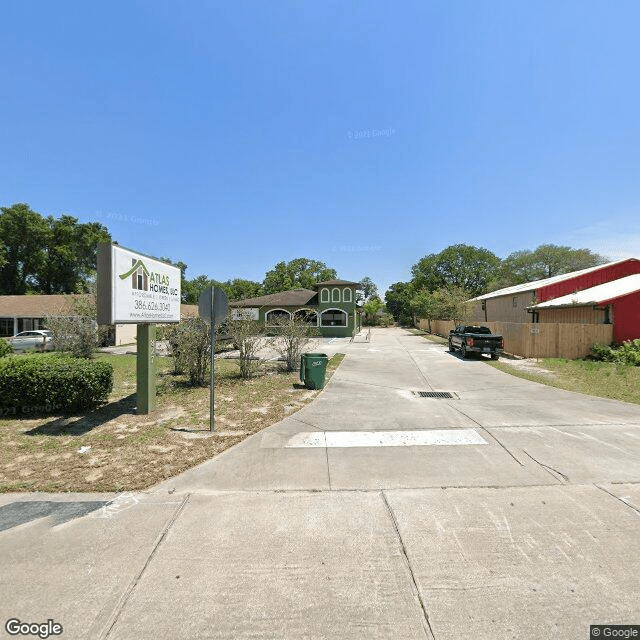
827 S Spring Garden Ave, De Land, FL 32720
To contact a resident: (904) 738-0025
For more information about senior living options: (866) 208-4318
Overall Review of And All Forbes Als Inc
Pros
 Duvall Homes is described as the best residential care facility for persons with disabilities.
- The staff at Duvall Homes are incredibly friendly and genuinely care for the residents.
- Duvall Homes is a fantastic non-profit organization with a genuine passion for serving the community.
- Duvall Homes provides a family-like, home setting where residents feel cared for.
- There is a strong sense of community involvement around Duvall Homes.
- The staff at Duvall Homes is very efficient and courteous.
- Duvall Homes rocks.
Cons
 They express frustration about still waiting for a placement for their son that doesn't accommodate his handicap.
- They feel that Duvall Homes needs to offer a lot more than it currently does.
Review
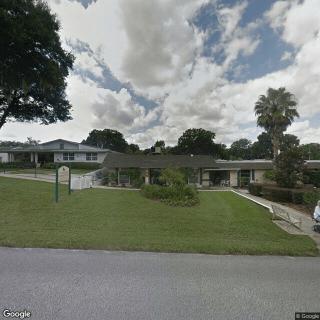
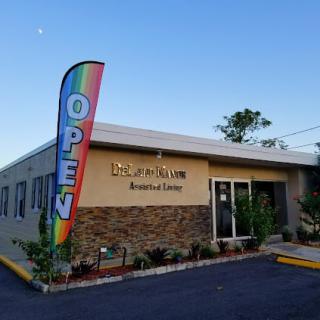
This community in DeLand is best suited for families seeking a long-term residential option for adults with disabilities who value a small, home-like environment and a deeply mission-driven staff. The reviews repeatedly highlight a family atmosphere, stable and caring personnel, and a non-profit ethos that puts residents first. It is the kind of setting where relationships matter as much as routines, and where staff are seen as extended family to the people they serve. For families prioritizing consistent, individualized attention over flash and scale, this facility offers a principled, dependable home base.
However, there are clear reasons to consider alternatives. The strongest caveat is the scope of services: the community operates with a leaner, intimate model that may not deliver the breadth of medical oversight or specialized dementia or rehabilitation supports found in larger assisted living or memory-care campuses. The feedback also hints at capacity and resource constraints, suggesting that placement is not as plug-and-play as in busier facilities. For seniors or adults with complex medical or cognitive needs requiring extensive on-site clinical support, or for families seeking rapid placement without the constraints of a smaller operation, other options may be a better fit.
The core advantages, genuine care, a sense of belonging, and steady, courteous staff, significantly offset the potential downsides for the right resident. Residents benefit from a stable, long-tenured team that genuinely treats care as a calling, not a transaction. The “home” culture and community involvement translate into consistent routines, meaningful daily engagement, and fewer signs of the impersonal, institutional feel that can accompany larger campuses. The growth and positive changes cited in recent years signal a responsive organization that actively pursues improvements while maintaining its core philosophy.
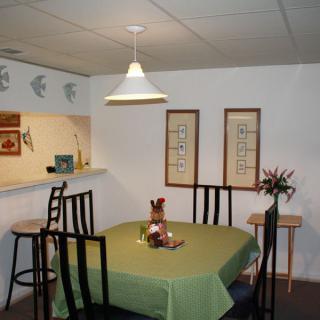
Daily life here centers on warmth, routine, and relationship-building. The staff are described as friendly, efficient, and deeply involved in residents’ lives, which creates a predictable day-to-day experience rooted in respect and camaraderie. The inclusion of the broader community and the emphasis on a familial atmosphere contribute to a sense of purpose and belonging for residents who value steady social connections and a nurturing environment. It is this human-centric approach that makes the setting feel like a true home rather than a clinical placement, a critical distinction for families prioritizing quality of life.
Cost structure and placement logistics are not spelled out in the reviews, but the nonprofit framing implies a mission-driven operation that may appeal to families seeking value-aligned care rather than luxury amenities. The trade-off, however, is clear: potential limits in service breadth and capacity. Prospective families should come with clear questions about what supports are available on-site, how medical needs are managed, what specialized programs exist, and how quickly placements can be made if a wait becomes necessary. It is wise to verify whether the resident’s needs align with the facility’s funding, staffing, and program capabilities before committing.
In the end, this community stands out as a standout option for adults with disabilities who thrive on a close-knit, compassionate, non-profit care model delivered within a genuine home environment. It excels at delivering steady, people-centered care where staff engagement and community ties matter deeply. For families prioritizing dignity, reliability, and a supportive, almost familial daily life, it is a compelling choice in DeLand. Those seeking a more medicalized or dementia-focused senior living experience, or someone aiming for a quicker, more commodified placement with broader clinical resources, should explore larger, more specialized options or other assisted living models. The right match will hinge on whether the resident’s needs align with a warm, intimate setting over a broader, more facility-oriented spectrum.
 Assisted Living
 Activities on-site
 Devotional services off-site
 Indoor common areas
 Daytona Beach International (20 miles away)
 Ambulatory care
 Diabetic care
 Meals provided

 Beyond the Bingo Hall: 50+ Enriching Activities for Seniors in Assisted Living
 Understanding the Distinctions: Assisted Living and Memory Care Explained
 Guiding Elderly Parents Who Refuse Assisted Living: 6 Practical Steps