
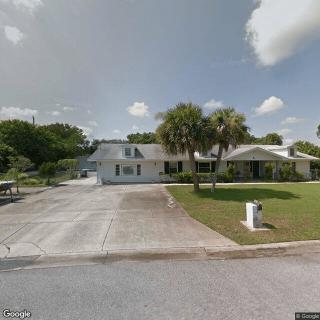
1150 Jimmy Ann Drive, Daytona Beach, FL 32114
For more information about senior living options: (866) 208-4318
Overall Review of Worc
Pros
 It is a great place for special needs individuals to learn and grow.
- The staff are great to work with.
- They are professional and provide top-quality products.
- They treat customers like old friends.
- They create a small-town atmosphere where everybody knows your name and a person’s word is their bond.
- The decorations are handmade.
- It is a great place for training.
- Management is very professional and excellent.
Cons
 New management prioritizes the bottom line over care for the disabled.
- There are reports that staff in the same house on the same shift were heard having sex, sleeping outside, smoking weed, and fighting, while residents were left unattended.
- Residents are left unattended, indicating abandonment and neglect.
- The house manager is aware of these issues.
Review
This community is best suited for families seeking a small, home-like setting where adults with special needs can learn, grow, and receive hands-on attention from staff who cultivate a warm, personal relationship with residents. The strongest appeal rests on a small-town, friendly atmosphere, professional demeanor, and a focus on training and skill-building. It works particularly well for individuals who flourish with consistent, visible interaction with caregivers, who appreciate handmade, welcoming touches, and who want a program that emphasizes daily learning moments in a supportive milieu.
Those who may want to consider alternatives are families prioritizing ironclad safety and continuous, formal oversight. If stringent supervision, comprehensive night staffing, and unwavering protection against any instance of neglect are non-negotiables, this community presents risk signals that warrant serious scrutiny. The persistent question is whether the operation can maintain high standards of protection and accountability in the face of concerns about staff conduct and overall management priorities. In short, a care plan built on transparent safety metrics may require looking elsewhere.
The positives here, strong staff engagement, neat and clean environments, and a clear emphasis on training, are meaningful advantages when they exist within a trusted, well-monitored framework. The praise for professionalism and management, combined with a sense of familiarity and reliability, suggests residents can build meaningful rapport with caregivers and participate in purposeful activities. The handmade decorations and the emphasis on learning indicate a program that values creativity, person-centered interaction, and ongoing development rather than rote, transactional care. These elements can offset some operational fragility if paired with robust supervision and consistent policy adherence.
However, significant red flags temper the otherwise warm picture. Reports of nighttime misconduct, neglect, and residents being left unattended are grave concerns that cannot be dismissed. Descriptions of a couple of workers engaging in inappropriate behavior, smoking habits, or fights, coupled with claims that the house manager is aware of these issues, point to potential gaps in accountability and risk management. The notion that new management may be prioritizing the bottom line over resident well-being reinforces a precautionary stance: safety, clear policies, and trustworthy oversight should be non-negotiable, not contingent on circumstance or staffing turmoil. These factors require direct, in-depth verification before committing long-term.
To evaluate this community effectively, prospective families should demand concrete assurances: current staffing ratios, night supervision details, and access to incident logs or corrective action records; a transparent, updated problem-resolution process; and opportunities to meet front-line caregivers during evening hours. Request visits at different times of the day, speak with several staff members, and, where possible, talk with other families about how concerns were addressed. It is prudent to seek assurances about background checks, ongoing training standards, and a formal mechanism for residents to report problems without fear of retaliation. If these safeguards cannot be demonstrated, the risk profile shifts decisively toward alternatives.
In the end, the choice hinges on value alignment. This community suits families seeking a warm, training-forward environment where residents can form meaningful connections and participate in growth-oriented activities within a compact, home-like setting. It can be a strong match for individuals who are comfortable with engaged, personable care and who can actively participate in oversight and family involvement. For those whose primary priority is airtight safety, consistent 24/7 supervision, and iron-clad risk controls, alternatives with larger staff footprints, formal nursing oversight, and transparent accountability processes are advisable. A deliberate visit schedule, candid conversations with current residents or families, and a thorough review of safety policies will reveal whether the balance tips toward a trusted, nourishing home for growth or toward a program where safety and care deserve more robust reinforcement.
 15 resident community capacity
 Assisted Living
 Cable or satellite TV
 Dining room
 Fully furnished
 Garden
 Housekeeping services
 Move-in coordination
 Outdoor space
 Telephone
 Wi-Fi/high-speed internet available
 Daytona Beach International (3 miles away)
 24-hour supervision
 Activities of daily living assistance
 Assistance with bathing
 Assistance with dressing
 Assistance with transfers
 Diabetes diet
 Meal preparation and service
 Medication management
 Special dietary restrictions
 Transportation arrangement (medical)
 Transportation to doctors appointments





 Comprehensive Insights into Activities of Daily Living (ADLs) and Their Assessment
 Guiding Elderly Parents Who Refuse Assisted Living: 6 Practical Steps
 Your Comprehensive Guide to Luxury Assisted Living: Elevated Facilities, Amenities, and Costs