
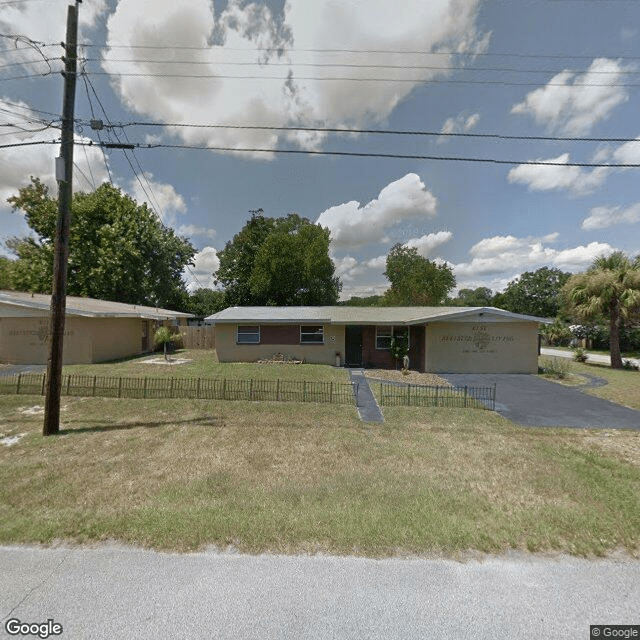
1516 Carmen Avenue, Daytona Beach, FL 32117
To contact a resident: (386) 239-9774
For more information about senior living options: (866) 208-4318
Kist ALF Costs & Pricing
Kist ALF presents a competitive pricing structure for assisted living options when compared to both Volusia County and the broader state of Florida. For instance, the monthly cost for a semi-private room at Kist ALF is $2,500, which significantly undercuts the average costs in Volusia County at $3,143 and across Florida at $3,009. Similarly, private room accommodations at Kist ALF are priced at $3,500, offering an attractive alternative to the higher state average of $3,699 and county average of $4,168. This pricing strategy not only makes Kist ALF a cost-effective choice for families seeking quality care but also underscores its commitment to providing accessible living arrangements that cater to various needs without compromising on comfort or support.
| Floor plans | Kist ALF | Volusia County | Florida |
|---|---|---|---|
| Semi-Private | $2,500 | $3,143 | $3,009 |
| Private | $3,500 | $4,168 | $3,699 |
Senior living communities with a similar price nearby
-
from +$300 / mo
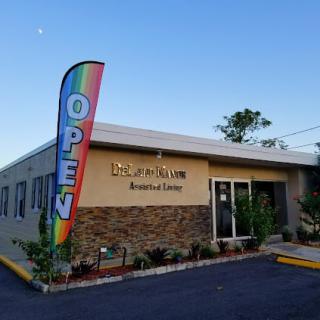
DeLand Manor Assisted Living
$2,800 to $3,600 / month20.4 miles away -
from +$200 / mo
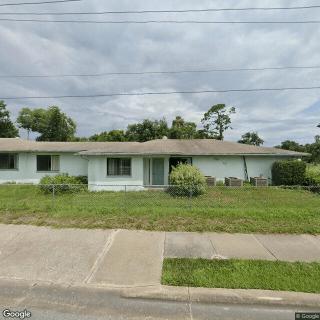
Compassion In Healthcare
$2,700 / month5.4 miles away -
from -$100 / mo
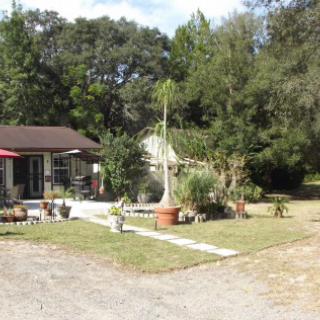
Alanson Acres Active Senior Living
$2,400 / month22.1 miles away -
from -$355 / mo
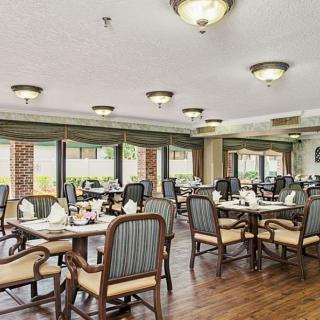
Grand Villa Of Ormond Beach
$2,145 to $4,095 / month3.2 miles away -
About the same
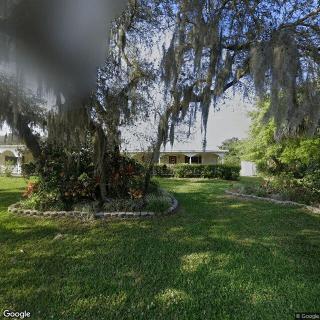
Harbor Oaks Elderly Care Home
$2,500 to $3,000 / month10.6 miles away
Overall Review of Kist ALF
Pros
 The staff at Kist ALF is very friendly and nice.
- The environment is smaller, which feels comfortable for the resident.
- The loved one is well taken care of.
- The reviewer is pretty happy with Kist ALF so far.
- There have been no faults found and no issues reported to date.
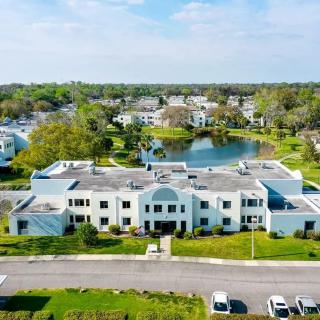
- The facility has two buildings, with four bedrooms in one and three bedrooms in the other, offering a suitable living space.
Review
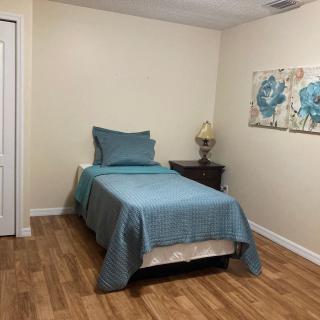
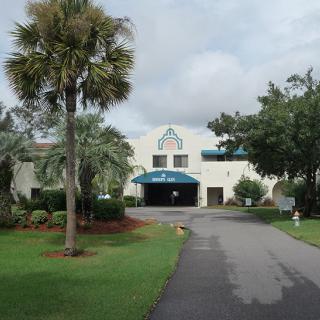
Kist ALF in Daytona Beach is best suited for families seeking a compact, home-like setting for a loved one with dementia who benefits from a predictable, low-stimulation environment. The property operates in two small buildings, one with four bedrooms and the other with three, creating an intimate footprint that supports close caregiver attention and quick responses to changes in condition. In such a setting, staff can know residents well, monitor routines closely, and maintain a steady day-to-day rhythm. For families prioritizing proximity, ease of access, and straightforward care needs, this two-building arrangement delivers a practical, lower-stress option.
Those who may want to consider alternatives are families whose loved ones require more expansive programming, a broader social calendar, or room to grow beyond a small, intimate campus. The limited number of bedrooms per building naturally constrains guest stays, roommate options, and the depth of activity offerings that larger communities can sustain. While the care described is reliable and the environment is calm, some families may find the “average value” rating at odds with expectations for more comprehensive amenities, transparent pricing, or the scale needed to justify higher costs.
The strongest positives are clear and consequential for dementia care. The staff’s friendliness and the evident attentiveness translate into daily reassurance for families and a sense of well-being for residents. The small environment supports consistency, fewer transitions, simpler routines, and easier supervision, which can reduce agitation and confusion for many individuals at certain stages of dementia. The seventh-week update, with no faults reported and ongoing harmony, reinforces the impression of a stable, dependable caregiving team that can be counted on week after week.
Yet the main trade-off is the limited scale. With only three to four bedrooms in each building, options for social interaction among peers and for hosting visitors are naturally constrained. The format also implies fewer on-site resources, activities, staffing-per-shift depth, and specialized programs, that larger facilities commonly offer. The value assessment as “average” becomes more meaningful when compared against bigger campuses that promise more bells and whistles; for families prioritizing low overhead and simplicity, that trade-off may be acceptable, even preferable.
Balancing the upside and the limitation, the decision becomes a function of care priorities. For dementia care that relies on intimate oversight, familiar surroundings, and a caregiver-community dynamic where staff know residents by name, Kist ALF delivers reliably. The environment is practical rather than flashy, but it rewards consistency, proactive monitoring, and a non-institutional feel. Families should view this as a strength that offsets the smaller social footprint and capped activity slate, provided the loved one’s needs align with a calm, home-like setting.
The recommendation is clear. Kist ALF suits families seeking a modest, predictable home for a loved one with dementia, where friendly staff and steady routines matter most. It excels when the aim is to minimize disruption and keep care simple within a two-building, intimate community. For those who prioritize expansive programming, larger social opportunities, or a more robust value proposition, it is prudent to explore other Daytona Beach options, larger assisted living facilities or dementia-focused communities where activity calendars and service menus scale with demand. Before deciding, schedule visits focused on nighttime staffing, program schedules, and exact cost structures to determine whether the average value aligns with the expectations and needs of the resident.
 Board and Care Home
 Cats allowed
 Dogs allowed
 Activities on-site
 Beautician on-site
 Devotional services off-site
 Indoor common areas
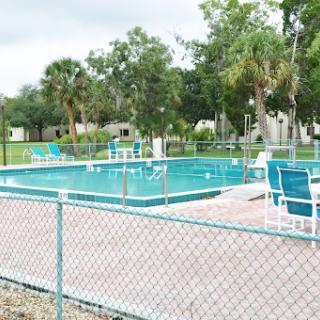
 Outdoor common areas
 Private
 Private bathrooms
 Respite or short term stays offered
 Wheelchair accessible showers
 Daytona Beach International (4 miles away)
 Diabetic care
 High acuity care
 Incontinence care
 Medication management
 Kosher
 8 Essential Assistive Devices for Older Adults
 Navigating the Financial Road to Nursing Home Care: In-Depth Guidance and Resources
 Supportive Employee Benefits That Help Caregivers Attain Better Work-Life Harmony