Woodmark at Daytona Beach offers competitive pricing for its living accommodations compared to both Volusia County and the broader state of Florida. With monthly costs of $2,400 for a one-bedroom apartment and $3,000 for a two-bedroom, Woodmark provides an attractive alternative to the county average of $3,766 and $4,328, respectively. This trend continues when comparing it to state averages, which stand at $3,864 for one-bedroom units and $4,711 for two-bedrooms. Such pricing positions Woodmark as a viable choice for those seeking quality living in a desirable location while maintaining financial sensibility.
Floor plans
Woodmark at Daytona Beach
Volusia County
Florida
1 Bedroom
$2,400
$3,766
$3,864
2 Bedrooms
$3,000
$4,328
$4,711
Assisted Living communities with a similar price nearby
Residents and families describe the community as a better-priced option.
A few reviews say the community’s pricing was lower than other options they considered, and they were pleasantly surprised by the level of care and service they received. One reviewer specifically called it the cheapest around Daytona while still describing good care and safety. Another said it was the best place they found for the money, even while noting trade-offs in day-to-day details.
common16 reviews mention this
Staff support is consistently highlighted
Reviews repeatedly describe staff as kind, responsive, and professional.
Many reviews focus on staff being helpful and professional, including during tours and after move-in. Several residents and families describe administrators and team members as attentive, caring, and quick to respond when needs come up. A few reviews also add that staff may feel less communicative about some practical details, but even those reviews often still acknowledge staff kindness and effort.
common9 reviews mention this
Dining quality earns strong mentions
Residents often praise the food as better than expected.
Dining comes up often as a positive, with reviewers describing the dining room meals as amazing, excellent, or very good and plentiful. Some also mention the community serves options with enough variety that they can accommodate preferences. That said, a recurring complaint is that residents receive only one meal per day, and that additional meals may cost extra or be handled differently than in other facilities.
differentiator5 reviews mention this
Care transitions and levels stand out
Reviews point to support that adjusts as care needs change.
Several reviews describe care that changes over time—such as moving from independent living into assisted living or skilled nursing as needs progress. Families also mention assessments for the right level of care as part of the process and describe the staff as ensuring residents are matched appropriately when transitions happen. While some negative reviews describe serious issues under specific circumstances, the more common thread is that the community supports multiple care needs using care levels rather than a one-size-fits-all approach.
caveat4 reviews mention this
Meal plan limits are a frequent complaint
Some reviews say the meal plan is less flexible than expected.
A number of reviewers compare the community’s dining setup to other places that offer three meals a day plus snacks. They describe concerns that residents receive only one meal per day and that an extra meal can come with an additional charge. Even when residents like the food, this difference in the meal routine stands out as a clear downside in the reviews.
caveat3 reviews mention this
Communication and logistics need work
Some families report gaps in day-to-day communication and planning.
A few reviews mention frustration with communication after move-in, especially around practical services like transportation and what to expect as new residents arrive. One reviewer said they weren’t told about certain processes in advance and had trouble getting details about getting rides for errands. Another review also raises concerns about responsiveness and follow-through, even while acknowledging the staff can be kind when they are reached.
How we summarize
Counts show how many written reviews mention each theme; a review can touch several themes, and only frequently mentioned themes are displayed.
Features
Housing
158 resident community capacity
Types of Care
Assisted Living
Independent Living
Memory Care
Skilled Nursing Facility
Pets
Cats allowed
Dogs allowed
Amenities
Activities on-site
Beautician on-site
Devotional services off-site
Devotional services on-site
Indoor common areas
Outdoor common areas
Swimming pool / hot tub
Transportation
Daytona Beach International (4 miles away)
Care Services
Ambulatory care
Diabetic care
High acuity care
Dining
Meals provided
Activities
Activities on-site
Devotional activities offsite
Devotional activities on-site
Nearby Places of Interest
Pharmacies
Walgreens (0.2 miles)
Winn-Dixie (0.4 miles)
Holly Hill Pharmacy (1.3 miles)
CVS Pharmacy (2 miles)
Walgreens (2.4 miles)
Walgreens (2.7 miles)
Winn-Dixie (2.9 miles)
Restaurants
Blaze Pizza (0.4 miles)
Cool Runnings Jamaican Restaurant (1 miles)
Checkers (1.5 miles)
McDonald's (1.8 miles)
Caribbean Jack's Restaurant and Bar (2.4 miles)
McDonald's (2.5 miles)
Lennys New York Pizza Company (2.5 miles)
Parks
Sunrise Park (1.3 miles)
Ross Point Park (1.6 miles)
Peggy Schnelby Recreation Center * Tennis Courts (2.4 miles)
Andy Romano Beachfront Park (2.7 miles)
Physicians
Orthopeadic Clinic of Daytona Beach (1.7 miles)
Gillespy, Albert Albert W. Gillespy, MD (1.7 miles)
Ambulatory Anesthesia Providers (1.9 miles)
Martin, Jeffrey Dr - Orthopaedic Clinic of Daytona Beach (1.9 miles)
Atlantic PODIATRY (1.9 miles)
Halifax Ob Gyn (1.9 miles)
Hanger Prosthetics (2 miles)
Hospitals
Twin Lakes Medical Center (1.9 miles)
Halifax Health - Fountain Building (2.7 miles)
Florida Hospital-East Central (2.8 miles)
Halifax Hospital (2.8 miles)
Halifax Health Medical Center (2.8 miles)
Feasel Jeff Halifax Medical Center Port Orange (2.8 miles)
Woodmark at Daytona Beach offers competitive pricing for its living accommodations compared to both Volusia County and the broader state of Florida. With monthly costs of $2,400 for a one-bedroom apartment and $3,000 for a two-bedroom, Woodmark provides an attractive alternative to the county average of $3,766 and $4,328, respectively. This trend continues when comparing it to state averages, which stand at $3,864 for one-bedroom units and $4,711 for two-bedrooms. Such pricing positions Woodmark as a viable choice for those seeking quality living in a desirable location while maintaining financial sensibility.
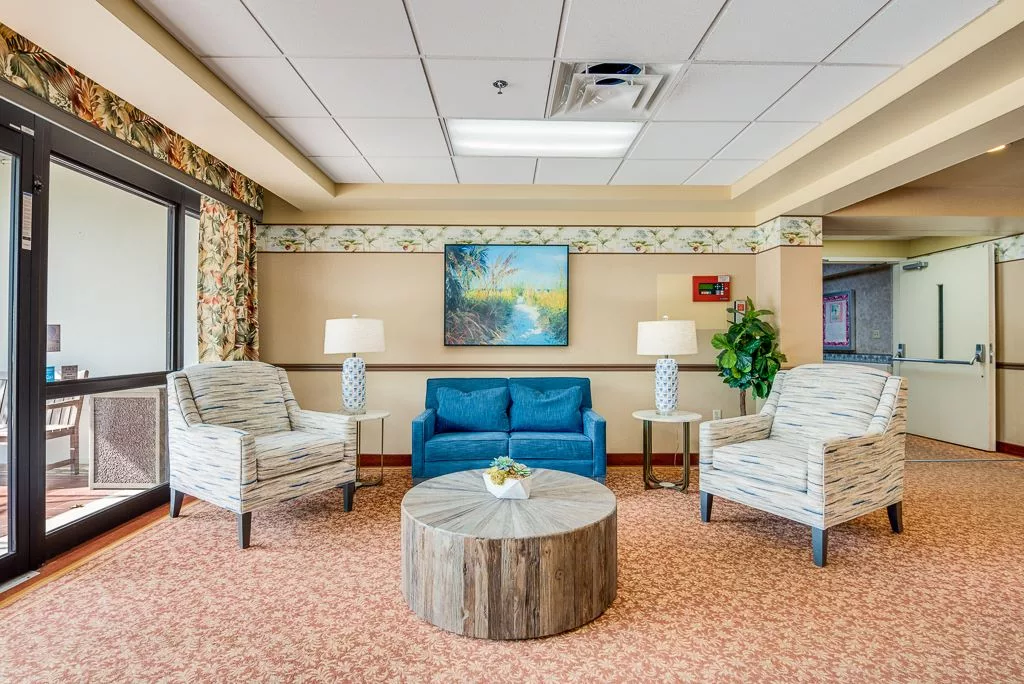
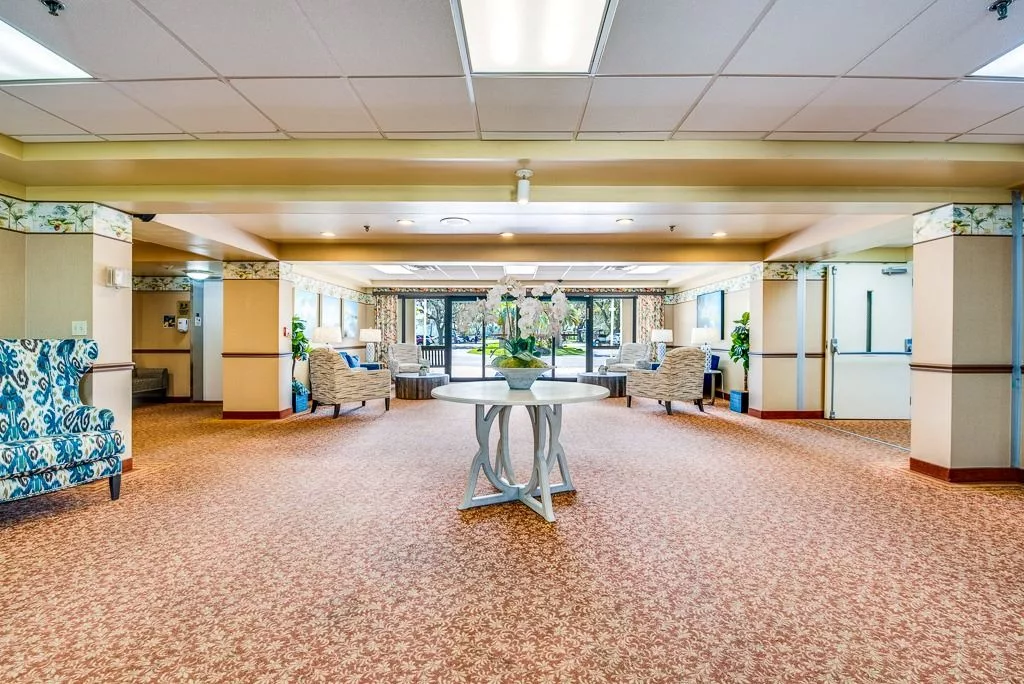
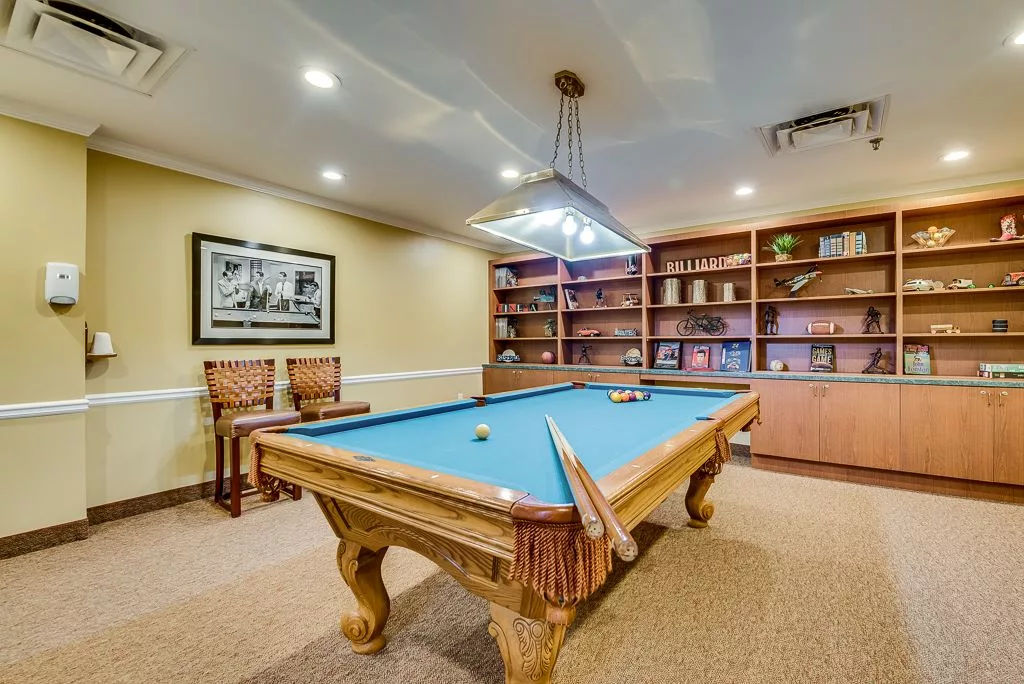
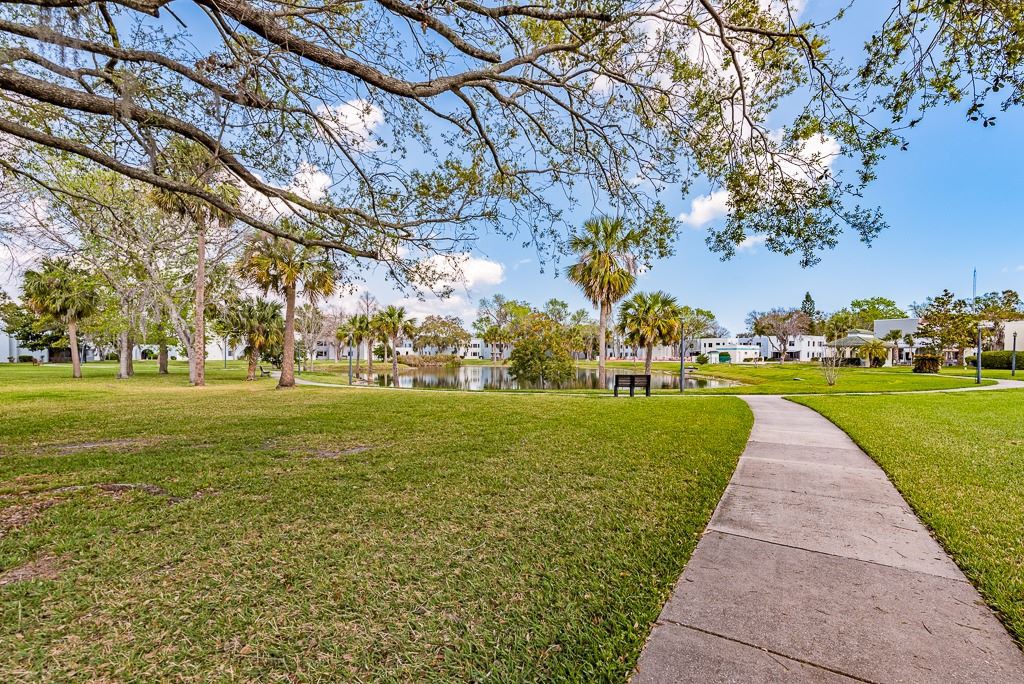
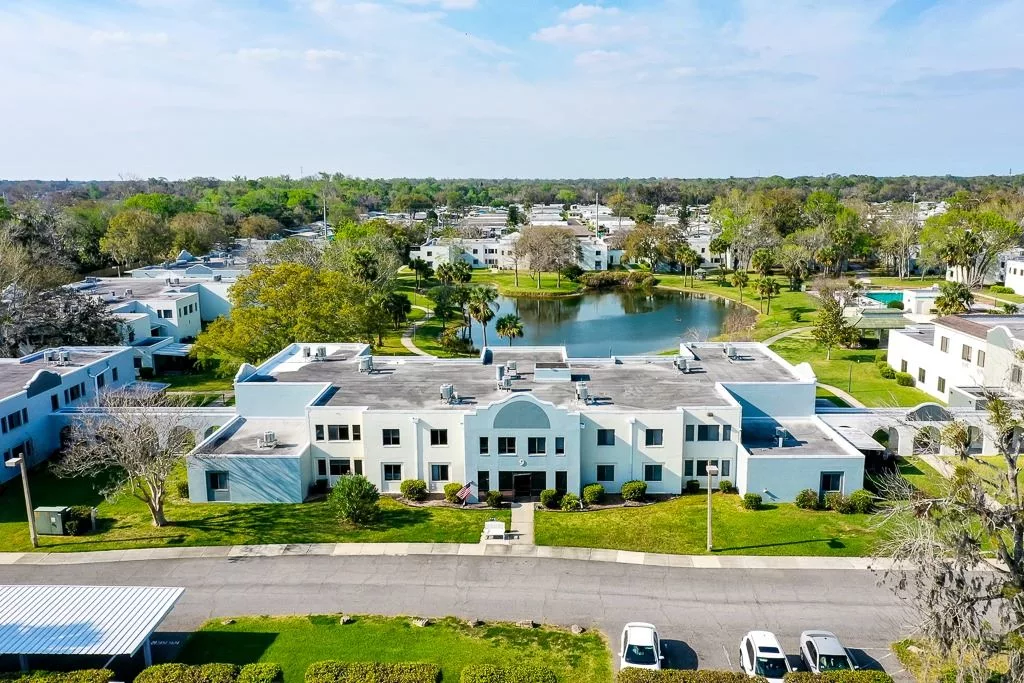
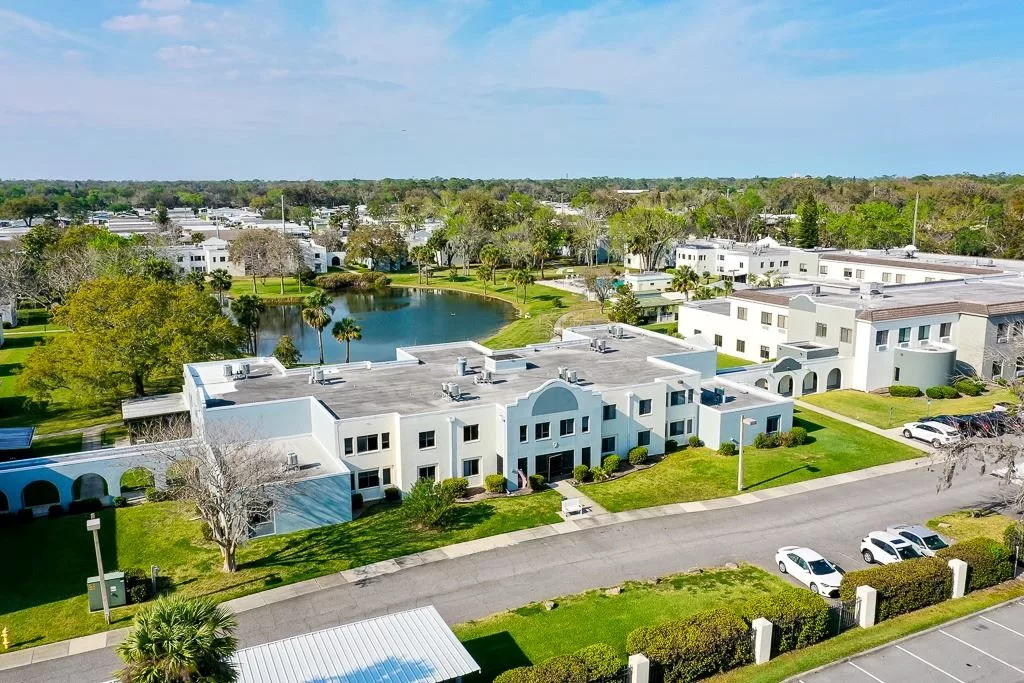
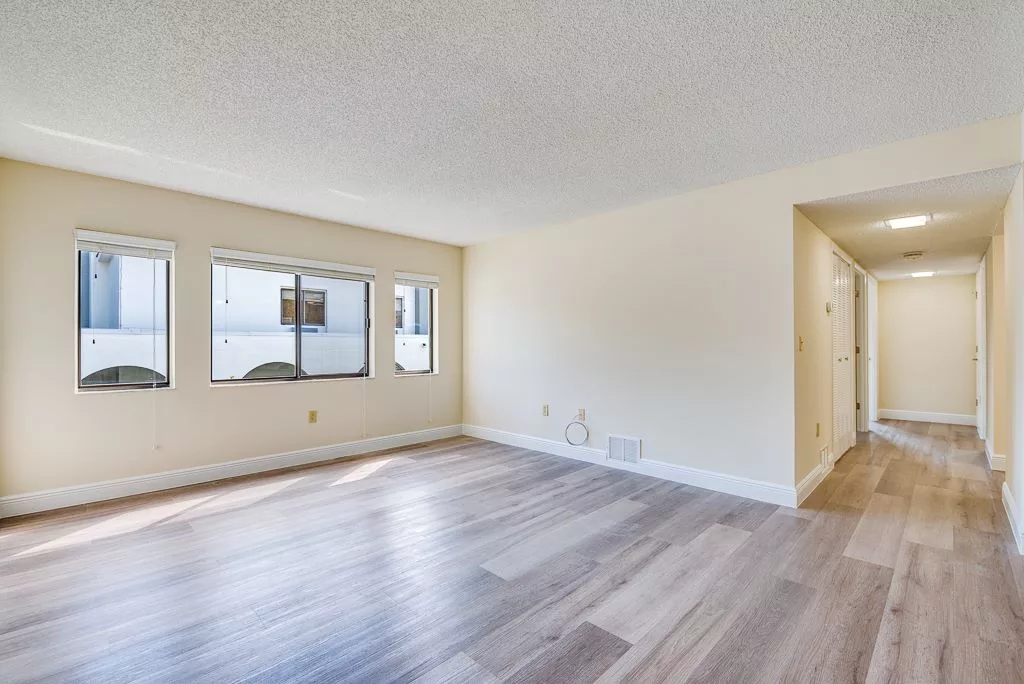
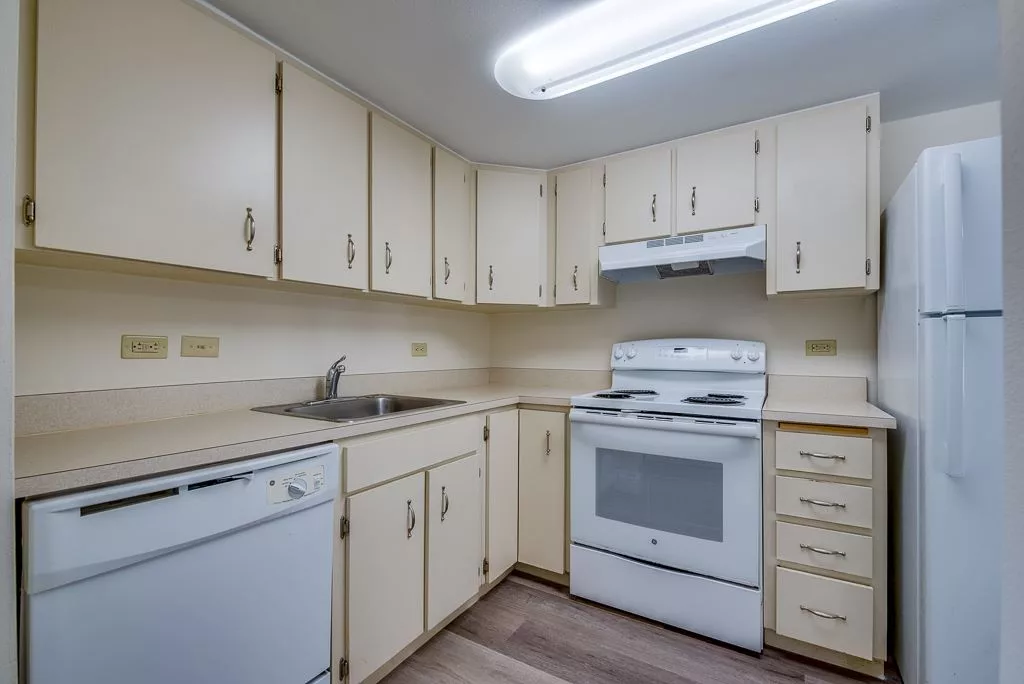
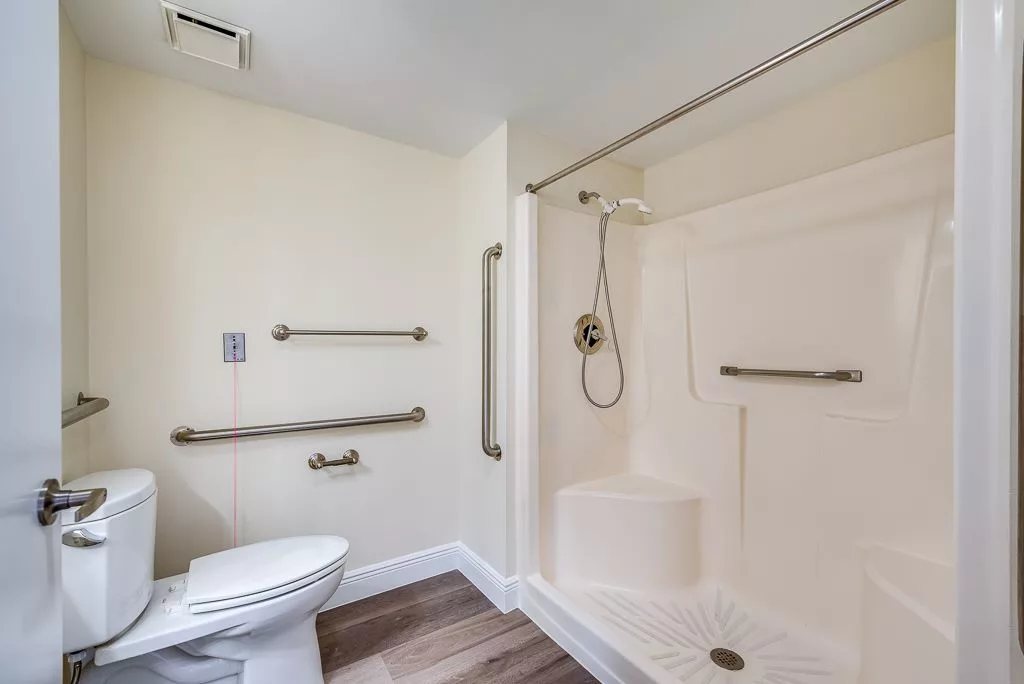
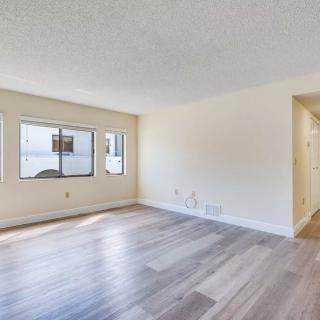
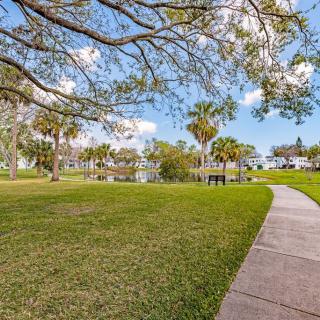
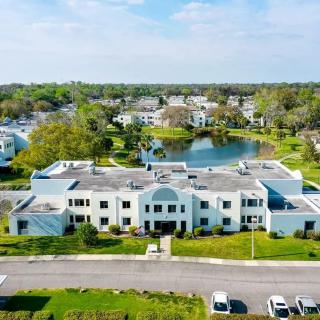
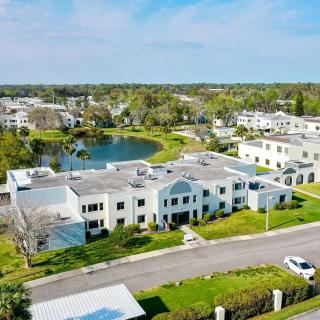
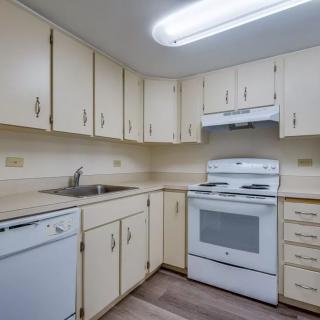
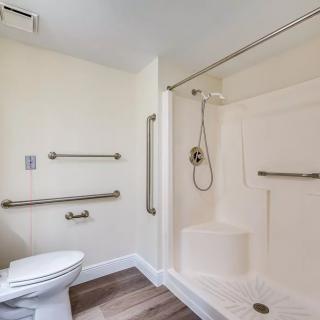
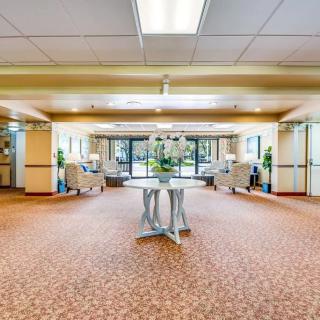
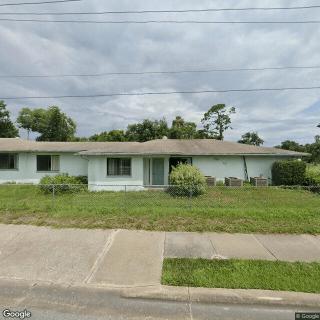
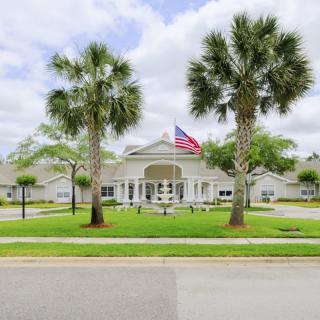
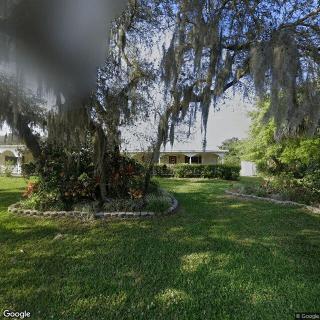
Woodmark at Daytona Beach on seniors.fyi includes 9 photos including images showing interior, bathroom, aerial view, landscaping, lake, decor, trees, living room, and more.
Nearby Communities
Bishops Glen Retirement Center
Daytona Beach, FL
4.8 from 4 reviews
On-site assisted living, respite, and skilled nursing with engaging amenities.
Aventine at Daytona Beach
Daytona Beach, FL
4.2 from 21 reviews
Prime Daytona Beach location with easy access to dining, parks, pharmacies, doctors, places of worship, and hospitals.
Home Instead Senior Care of Volusia County
Daytona Beach, FL
4.9 from 89 reviews
Excellent access to dining, healthcare, parks, and worship nearby.
Savannah Place Care Center
Holly Hill, FL
5 from 2 reviews
Intimate, personalized care in a small, fully furnished community.
Kist ALF
Daytona Beach, FL
4 from 2 reviews
$2,500 to $3,500 / month
Small, intimate setting with attentive staff and dementia-focused care.
Elderly Living Center Of Holly Hill
Holly Hill, FL
5 from 1 review
Fully furnished assisted living with meals, housekeeping, care services, and activities.
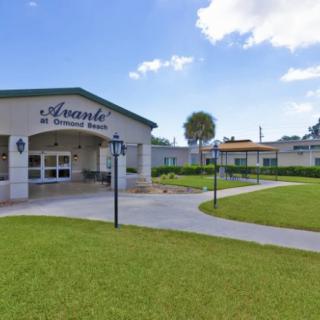
Avante At Ormond Beach
Ormond Beach, FL
2.8 from 91 reviews
Extensive on-site amenities and 24/7 care.
Seaside Health And Rehabilitation Center
Daytona Beach, FL
3.7 from 113 reviews
Clean, well-maintained facility with skilled staff and an active community.
Majestic Gardens Living
South Daytona, FL
4.7 from 19 reviews
$4,500 to $5,000 / month
Clean, modern facility with compassionate staff and strong on-site medical oversight.
Dementia encompasses a range of cognitive impairments characterized by types such as Alzheimer's and vascular dementia, and follows a seven-stage progression model known as the Global Deterioration Scale (GDS), highlighting varying symptoms and decline timelines. Early detection allows for lifestyle adjustments to potentially slow progression, while caregivers need support and resources to manage the challenges involved in caring for affected individuals.
The article presents eight strategies for preserving cognitive health and memory in older adults, emphasizing a nutrient-rich diet, regular exercise, intellectually stimulating activities, adequate sleep, social connections, stress management techniques, limiting harmful substances, and regular medical checkups to mitigate age-related memory decline.
Activities of Daily Living (ADLs) are fundamental tasks vital for an individual's independence, particularly in older adults over 85, and include functions like bathing and dressing; assessing ADLs alongside Instrumental Activities of Daily Living (IADLs) helps determine the level of required assistance due to age-related health challenges. Tailored support plans, involving family and community resources, are essential for maintaining dignity and autonomy in assisted living environments.
Kitchen, Appliances, Cabinets, Stove, and Dishwasher
Outdoors, Pathway, Nature, Grass, and Park
Lobby and Reception Area
Bookshelves, Billiards, Game Room, and Lighting Fixture
Painting
Get PricingAsk A QuestionSchedule A TourContact Senior Advisor
By clicking submit, you agree to our Partner's Terms of Use. You
also consent to receive calls and texts, which may be autodialed, from our Partner. Your consent is not a condition to
using our Partner's service. Please visit our Partner's Privacy Policy for information about their privacy practices.





 158 resident community capacity
 Assisted Living
 Independent Living
 Memory Care
 Skilled Nursing Facility
 Cats allowed
 Dogs allowed
 Activities on-site
 Beautician on-site
 Devotional services off-site
 Indoor common areas
 Outdoor common areas
 Swimming pool / hot tub
 Daytona Beach International (4 miles away)
 Ambulatory care
 Diabetic care
 High acuity care
 Meals provided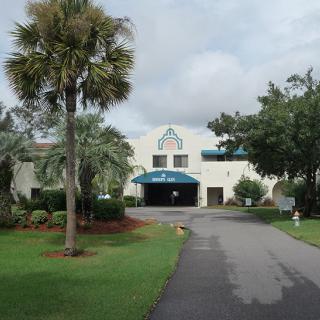
 On-site assisted living, respite, and skilled nursing with engaging amenities.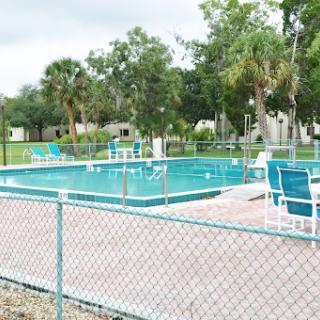

 Understanding Dementia Through Its Seven Stages: A Comprehensive Look at Progression and Expectations
 Safeguarding Your Memory Through the Golden Years: Eight Ways to Preserve Cognitive Health
 Comprehensive Insights into Activities of Daily Living (ADLs) and Their Assessment