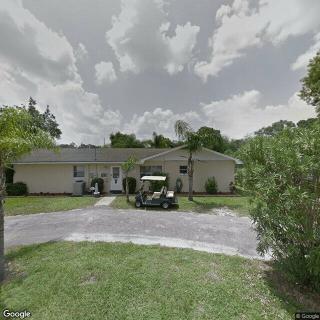
Bri Gardens Assisted Living Facility in Dade City, FL
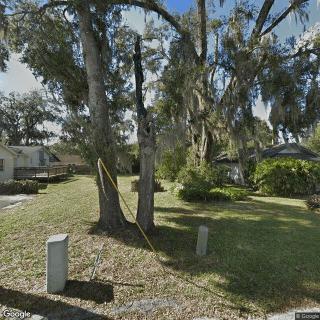
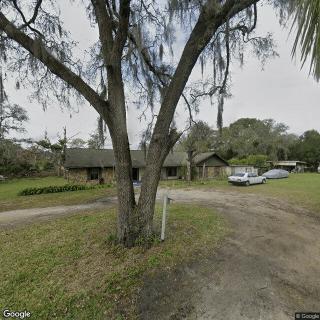
Bri Gardens Assisted Living Facility is an assisted living community in Dade City, FL.
Information last verified:
12035 Hillside Ct, Dade City, FL 33525
For more information about senior living options: (866) 208-4318
3.8 from 68 reviews
5 stars
46
4 stars
1
3 stars
1
2 stars
2
1 stars
18
Overall Review of Bri Gardens Assisted Living Facility
common18 reviews mention this
Caring staff is a common thread
Residents and families repeatedly describe staff as caring and responsive to needs.
Across many reviews, families say the staff treats residents with compassion, listens to concerns, and helps both residents and their loved ones feel supported. Several reviews specifically highlight CNAs and nurses by name, describing patience, attentiveness, and follow-through. Some reviewers contrast their experience with other facilities, saying this one felt safer and more respectful overall. There are also a few negative reviews that question responsiveness and communication, especially when staffing feels stretched.
common9 reviews mention this
Food quality comes up often
Food is frequently mentioned, with many describing it as good or better than expected.
Many reviews describe the meals positively, using language like great, wonderful, delicious, and restaurant-like. Some families also mention attention to dietary restrictions during meals. A smaller set of reviews is negative, saying food was cold or choices were poor. Overall, dining quality appears to be an experience residents and families pay close attention to.
caveat6 reviews mention this
Facility cleanliness is mixed
Cleanliness is praised by some reviewers, but negative hygiene concerns also appear.
Several reviews say the building is clean and well kept, including comments about cleanliness on visits and during rehab stays. Others describe cleanliness problems in more serious terms, including dirty bathrooms and hygiene-related complaints. One review also raises concerns about pests. Because both positive and negative cleanliness experiences are present, it may vary by area or timeframe based on the reviews.
common4 reviews mention this
Activities and therapy stay prominent
Residents are described as having activities and therapy that keep them engaged.
Multiple reviews mention frequent activities, including holidays and community-style events, with some calling out the activities director. Rehab reviews also highlight physical therapy progress and therapist support during stays. A few reviewers describe specific events like Christmas dinners and musicians, suggesting family members could participate or observe moments of community life. Even when other aspects were criticized, therapy staff were sometimes singled out positively.
caveat4 reviews mention this
Staffing pressure drives some complaints
Some reviews raise concerns about staffing levels and delays in care.
A subset of reviews says staffing was too thin at key times, leading to long waits for help with toileting, wound care, or call lights. One review describes concerns about patient movement and safety during rehab, including a need for more monitoring. Another highlights heavy patient loads for nurses and difficulty keeping up with routine tasks and medications. These complaints stand out because they focus on missed care needs rather than general dissatisfaction.
common2 reviews mention this
Nearby everyday conveniences
The area includes nearby dining and shopping options for visitors.
Visitor access is supported by nearby restaurants and pharmacies listed within a short drive. That can make it easier to handle errands while staying involved with a loved one’s care. The reviews don’t center on specific travel experiences, but the local options are close enough to be relevant for day-to-day visits.
How we summarize
Counts show how many written reviews mention each theme; a review can touch several themes, and only frequently mentioned themes are displayed.
Features
Housing
6 resident community capacity
Types of Care
Assisted Living
Board and Care Home
Respite Care
Amenities
Cable or satellite TV
Dining room
Fully furnished
Garden
Housekeeping services
Move-in coordination
Outdoor space
Telephone
Wi-Fi/high-speed internet available
Care Services
24-hour supervision
Activities of daily living assistance
Assistance with bathing
Assistance with dressing
Assistance with transfers
Coordination with health care providers
Diabetes diet
Meal preparation and service
Medication management
Special dietary restrictions
Transportation arrangement (medical)
Transportation to doctors appointments
Dining
Diabetes diet
Special dietary restrictions
Activities
Community-sponsored activities
Scheduled daily activities
Nearby Places of Interest
Restaurants
Burger King (0.3 miles)
Captain D's (1 miles)
McDonald's (1 miles)
KFC (1.2 miles)
Beef 'o' Brady's (2.1 miles)
Kafe Kokopelli (2.2 miles)
Five Guys Burgers & Fries (4.2 miles)
Pharmacies
Rx Discount Pharmacy (0.6 miles)
Winn-Dixie (0.7 miles)
CVS Pharmacy (0.7 miles)
Walgreens (0.7 miles)
Nimoh Pharmacy and Compounding (0.9 miles)
Franklin Pharmacy (2.1 miles)
Rx Care Pharmacy & Kwik-Mart (2.3 miles)
Physicians
Danielle L. Albritton, DO (0.9 miles)
Florida Medical Clinic (1.4 miles)
Women's Health of Pasco (1.9 miles)
Jennifer Roller MD (1.9 miles)
Colon Edwin MD PA (1.9 miles)
Premier Community Healthcare (2 miles)
Comprehensive Pain Management (2 miles)
Hospitals
Bayfront Health Dade City (1.4 miles)
Pasco Regional Hospital (1.4 miles)
Florida Hospital Zephyrhills Sleep Center (4.9 miles)
The VA Aid and Attendance benefit provides financial support to veterans needing assistance with daily living due to medical conditions or disabilities, augmenting standard VA pensions for services like in-home care. Eligibility is based on service duration, wartime status, income, and medical needs, with a detailed application process required to access funds for caregiving and home modifications.
Senior move management services assist older adults in the relocation process by providing emotional support and organizational help, addressing unique challenges like downsizing and moving from long-term homes. These specialists collaborate with real estate agents and manage logistics, making the transition smoother for seniors and their families.
The article examines senior housing options, detailing the distinctions between independent living and assisted living, along with the emerging "independent assisted living" model that blends both approaches. It highlights the importance of assessing individual needs, preferences, and financial factors in making informed decisions about suitable living arrangements for seniors.
Get PricingAsk A QuestionSchedule A TourContact Senior Advisor
By clicking submit, you agree to our Partner's Terms of Use. You
also consent to receive calls and texts, which may be autodialed, from our Partner. Your consent is not a condition to
using our Partner's service. Please visit our Partner's Privacy Policy for information about their privacy practices.

 6 resident community capacity
 Assisted Living
 Board and Care Home
 Respite Care
 Cable or satellite TV
 Dining room
 Fully furnished
 Garden
 Housekeeping services
 Move-in coordination
 Outdoor space
 Telephone
 Wi-Fi/high-speed internet available
 24-hour supervision
 Activities of daily living assistance
 Assistance with bathing
 Assistance with dressing
 Assistance with transfers
 Diabetes diet
 Meal preparation and service
 Medication management
 Special dietary restrictions
 Transportation arrangement (medical)
 Transportation to doctors appointments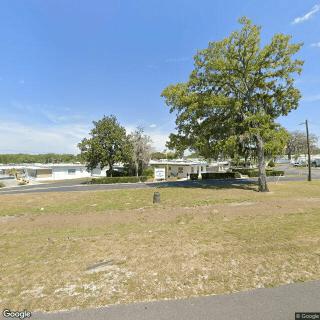
 Excellent access to medical services and nearby amenities.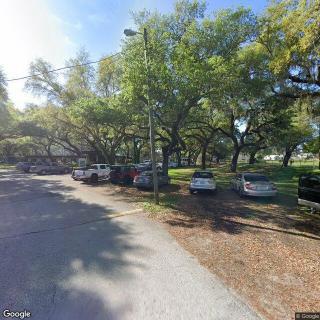




 An Extensive Exploration of the VA Aid and Attendance Benefit
 Senior Transition Services: Understanding Their Role, Cost, and Importance
 Exploring the Path to Senior Living: A Comprehensive Look at Independent Living and Assisted Living