
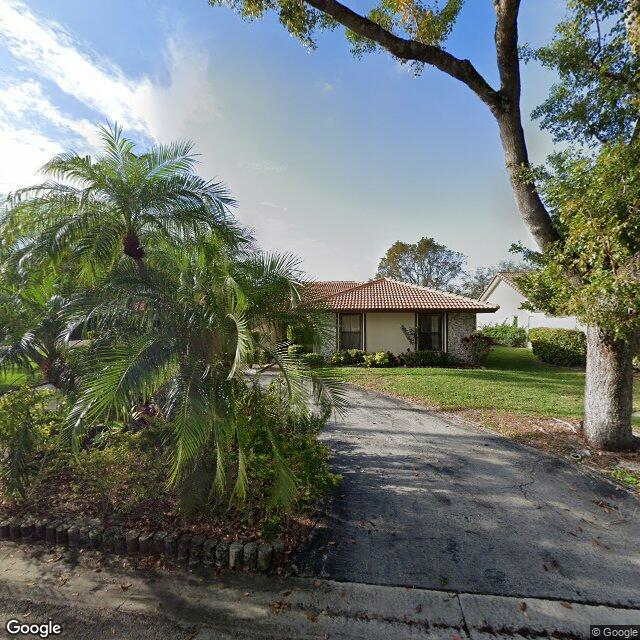
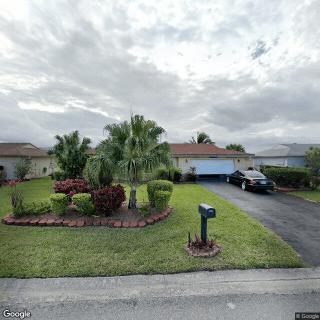
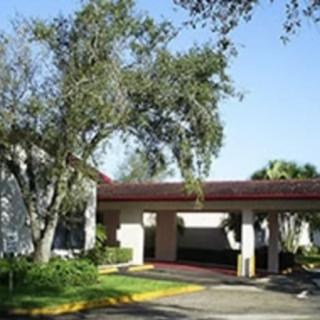
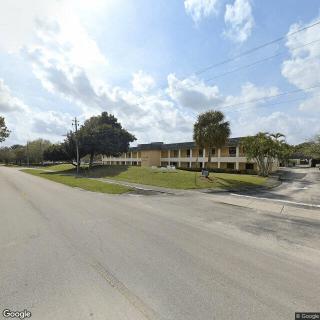
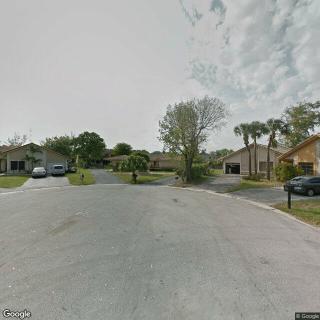
11412 North West 1St Place, Coral Springs, FL 33071
For more information about senior living options: (866) 208-4318
Superior Care Costs & Pricing
In evaluating the costs associated with Superior Care, it is noteworthy that their monthly rate for a private room stands at $3,555. This figure positions Superior Care competitively within the local market, especially when compared to Broward County, where the average cost for similar accommodations is $3,725. Furthermore, this also reflects favorably against the broader state average in Florida of $3,699. Such pricing indicates that Superior Care not only offers valuable services but does so at a more attractive rate than both county and state averages, making it an appealing option for individuals seeking quality care without compromising their budget.
| Floor plans | Superior Care | Broward County | Florida |
|---|---|---|---|
| Private | $3,555 | $3,725 | $3,699 |
Assisted Living communities with a similar price nearby
-
from +$245 / mo
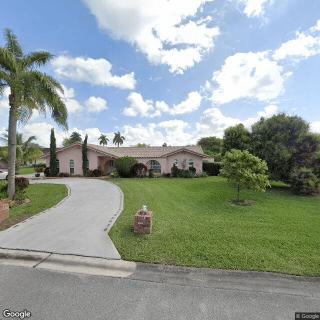
Coral Springs Country Club for Seniors
$3,800 to $4,500 / month2.3 miles away -
from -$537 / mo

Williamsburg Landing
$3,018 to $5,500 / month10.9 miles away -
from -$655 / mo
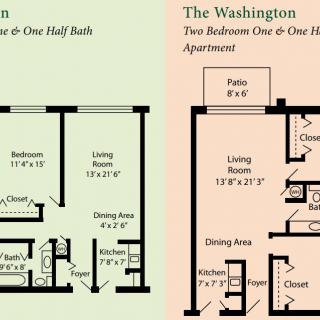
Independence Hall
$2,900 to $4,572 / month10.7 miles away -
from -$260 / mo

Mariposa
$3,295 to $5,110 / month23.6 miles away -
from -$305 / mo

Aston Gardens at Parkland Commons
$3,250 to $5,805 / month5.1 miles away
Overall Review of Superior Care
Pros
 Valeri and her staff are amazing.
- The facility is extremely clean.
- It offers a family-like environment.
- Loved ones receive the quality care they need.
- They keep families informed about what is going on.
- The staff are very sweet and compassionate.
- Valerie and her staff provide wonderful care.
- They show meticulous attention to detail and genuine care toward their patients.
Review
This community is best suited for families seeking a highly personalized, clean, and genuinely caring environment where staff form close, trusting relationships with residents. The standout feature is the staff’s hands-on dedication, led by Valeri, which translates into meticulous daily care and an unmistakable family-like atmosphere. Residents are described as receiving attentive, compassionate treatment, with cleanliness and order emphasized as nonnegotiable priorities. For families who measure quality by daily interactions, transparent updates, and a sense that a loved one is truly known and looked after, this setting checks the key boxes.
Alternatives to consider are worth weighing for those whose needs extend beyond what a small, tightly run operation can sustain. If a resident requires more formal medical supervision, a broader menu of specialized services, or a larger campus with more structured programming, a bigger facility or a memory-care–oriented community may be a better match. Likewise, if budget considerations demand a more scalable price model or a facility with a wider array of on-site amenities, exploring options with clearer pricing tiers and broader service catalogs could be prudent. The strongest appeal here is the intimacy and hands-on care; for some families, that same intimacy may feel limiting compared with larger operations.
The principal strengths center on clean, well-maintained surroundings and an exceptionally attentive staff. Cleanliness stands out as a core promise kept, creating a comfortable, safe backdrop for daily living. The care team, led by Valeri, is repeatedly praised for genuine compassion, practical attention to detail, and a willingness to keep families informed about ongoing care. The combination of a scrupulous environment and proactive communication reduces the anxiety that accompanies caregiving decisions, helping families feel confident that their loved one’s day-to-day life is being watched over with care and integrity.
That same care team makes a decisive difference when it comes to family involvement and continuity of care. A family-like culture translates into consistent, predictable routines and a level of interpersonal trust that is hard to sustain in larger settings. Families can expect timely updates about health changes, daily activities, and notable milestones, which strengthens the sense that the resident is not just a participant in a program, but a valued individual whose quality of life is monitored with sincerity. In practical terms, this means fewer sleepless nights for relatives and more certainty about how a loved one is spending each day.
A practical tour and due diligence plan will help determine fit. Prospective residents should inquire about staffing ratios and shift coverage, the exact cadence and format of family updates, and what a typical day looks like from wake time through bedtime. It’s important to verify what level of medical oversight is available on-site, how emergencies are handled, and what happens when a resident’s needs evolve. Clarify pricing, what is included in the base rate, and any additional fees for specialized services, so the decision rests on a complete picture rather than impression alone. A direct conversation about preferences for daily activities, meals, and social engagement will reveal how well the environment matches individual routines.
In the end, Superior Care presents a compelling case for families prioritizing staying closely connected to their loved one’s care in a clean, warm, and communicative setting. It is especially well-suited for those who value demonstrable staff engagement, a transparent flow of information, and a living space that feels like a supportive extended family. If those qualities align with the resident’s needs and family expectations, this community warrants serious consideration. Should memory-care specialization, broader programming, or cost flexibility be essential criteria, exploring additional options in parallel ensures the final choice aligns with both care requirements and long-term peace of mind. A guided visit will crystallize whether this is the ideal home or simply the strongest near-term match.
 6 resident community capacity
 Assisted Living
 Board and Care Home
 Cable or satellite TV
 Dining room
 Fully furnished
 Garden
 Housekeeping services
 Move-in coordination
 Outdoor space
 Telephone
 Wi-Fi/high-speed internet available
 Fort Lauderdale-Hollywood International (14 miles away)
 24-hour supervision
 Activities of daily living assistance
 Assistance with bathing
 Assistance with dressing
 Assistance with transfers
 Diabetes diet
 Meal preparation and service
 Medication management
 Special dietary restrictions
 Transportation arrangement (medical)
 Transportation to doctors appointments


 Comprehensive Supportive Living Arrangements for Adults with Disabilities
 Funding and Affording Assisted Living: A Thorough Overview
 Assisted Living Expenses and Long-Term Care Insurance: A Comprehensive Exploration