
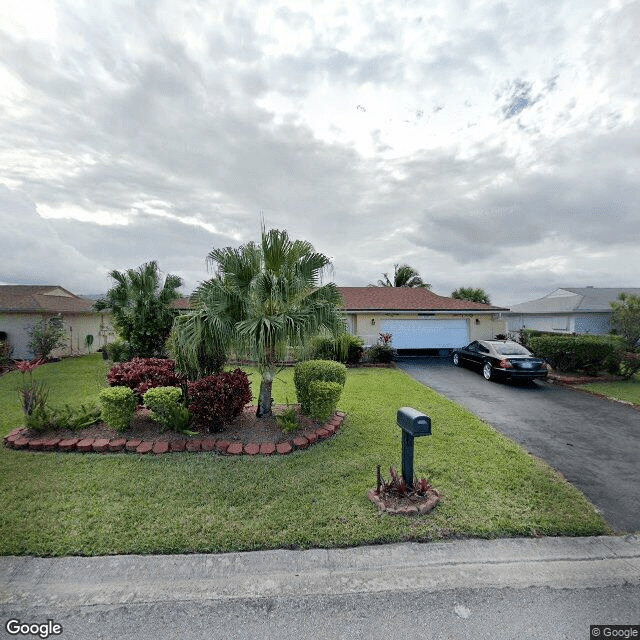
9500 Northwest 80th Street, Tamarac, FL 33321
To contact a resident: (954) 721-4309
For more information about senior living options: (866) 208-4318
Gordon Height Assisted Living Facility Costs & Pricing
Gordon Height Assisted Living Facility offers competitive pricing for its residents, particularly when compared to both Broward County and the broader state of Florida. For a semi-private room, Gordon Height charges $2,700 per month, which is notably lower than the county's average of $2,902 and the state's average of $3,009. Similarly, in terms of private accommodations, the facility's rate of $3,500 undercuts both Broward County's average of $3,725 and Florida's average of $3,699. This favorable pricing structure positions Gordon Height as an attractive option for individuals seeking quality assisted living services without straining their financial resources.
| Floor plans | Gordon Height Assisted Living Facility | Broward County | Florida |
|---|---|---|---|
| Semi-Private | $2,700 | $2,902 | $3,009 |
| Private | $3,500 | $3,725 | $3,699 |
Senior living communities with a similar price nearby
-
from +$300 / mo
LB Solution Care Group Homes
$3,000 / month14.0 miles away -
from -$300 / mo
Ana's Assisted Living Facility
$2,400 / month14.4 miles away -
from -$300 / mo
Joy Peace & Love ALF, LLC
$2,400 to $3,300 / month8.1 miles away -
from -$200 / mo
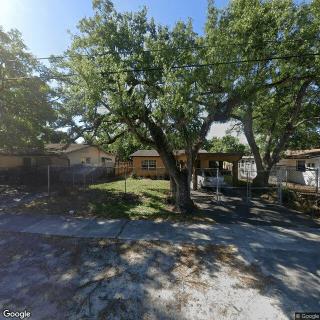
Anne Adult Family Care Home
$2,500 / month10.6 miles away -
About the same
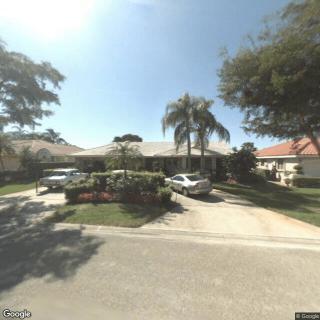
Portland Assisted Living Facility
$2,700 to $4,400 / month6.0 miles away
Overall Review of Gordon Height Assisted Living Facility
Pros
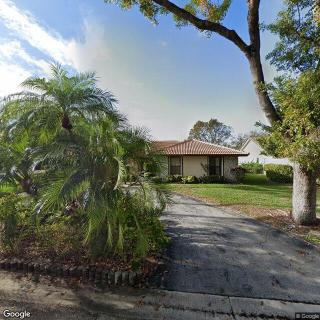
 The area around the facility is nice.
Cons
 Staff cannot handle her disabilities.
- There are no Spanish-speaking staff or residents.
- It is not the right facility to place their mom.
Review
Gordon Height Assisted Living Facility in Tamarac is best suited for seniors who are largely independent and do not require intensive disability support, and for families who prioritize a local, neighborhood setting over medical specialization. The surrounding area is a clear selling point for those who want convenient access to shops, services, and social amenities without entering a larger campus environment. In practical terms, this community works best for residents who can manage most daily tasks with light assistance and who do not demand bilingual staffing or a highly active social calendar. It serves as a reasonable option for households that value location and a quieter, smaller-scale living arrangement over breadth of care.
Those who should consider alternatives are families facing significant care needs or language preferences. Residents who require robust disability support, complex medical supervision, or specialized therapies will likely find this facility’s capabilities insufficient. The absence of Spanish-speaking staff or residents is a meaningful constraint for families who rely on bilingual communication or cultural alignment in daily care. For memory care, rehabilitative services, or dynamic care coordination, the facility appears inadequate relative to larger, more resourced communities. In short, this is not a fit for care-intensive seniors or for households seeking a linguistically inclusive environment.
On the upside, the most tangible pro is the neighborhood and the surrounding convenience it affords. A calm, approachable setting can ease family logistics and reduce daily stress for residents with modest needs. The lack of overt clinical bustle may translate into a quieter living experience and a more personalized feel if the resident’s requirements align with available staff capabilities. Yet this potential benefit cannot overshadow the core limitations that appear to dominate the experience, especially for families confronting clear boundaries around what the facility can handle in terms disability-related care.
The primary downside concerns are concrete and nontrivial. Staff reportedly indicated they cannot handle certain disabilities, which signals a hard ceiling on the level of care available. That kind of limitation means residents with mobility issues, cognitive challenges, or other complex needs may require external support or alternative placements entirely. The absence of Spanish-speaking staff or residents compounds communication barriers, potentially undermining daily coordination, activity engagement, and emotional comfort for bilingual families or culturally specific care expectations. When these gaps exist, even a pleasant neighborhood can feel like an incongruent fit for those seeking reliable, responsive care.
From a decision-making standpoint, the pros must be weighed against the cons with practical benchmarks. If a potential resident is mostly independent and values a convenient Tamarac location, Gordon Height offers a livable environment with a lower-stress footprint. However, any plan that relies on the facility to manage moderate-to-severe disabilities or to provide language-inclusive care should be reassessed. Prospective families should demand clarity on exact care capabilities, ask for a tour with direct interaction with night and weekend staff, and request concrete examples of how resident needs are assessed and met. It is essential to verify whether the care philosophy aligns with the resident’s daily routines, emergency procedures, and family expectations.
In sum, Gordon Height Assisted Living Facility is a cautious choice for families with low-to-moderate care needs who do not require bilingual staffing and who prize a pleasant neighborhood setting. For anyone evaluating options for a mom or dad with disabilities or for households that require Spanish-speaking staff and robust, coordinated care, alternatives with stronger medical capacity and multilingual capabilities should take priority. The decision should hinge on matching the resident’s level of independence and communication needs to the facility’s demonstrated capabilities, then validating that match through a focused, in-person evaluation.
 Board and Care Home
 Activities off-site
 Bath tubs
 Devotional services off-site
 Indoor common areas
 Outdoor common areas
 Private
 Respite or short term stays offered
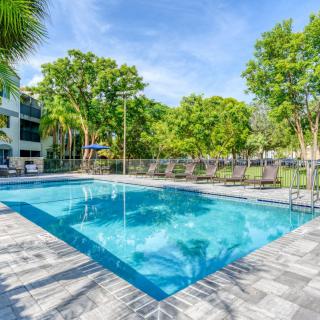
 Swimming pool / hot tub
 Wheelchair accessible showers
 Fort Lauderdale-Hollywood International (13 miles away)
 Ambulatory care
 Diabetic care
 Incontinence care
 Medication management
 Meals provided
 Comprehensive Insights and Practical Strategies to Help Older Adults Avoid Falls
 6 Crucial Ways an Elder Law Attorney Assists Families
 Navigating the Tax Landscape of Caregiving: Credits, Deductions, and Beyond