
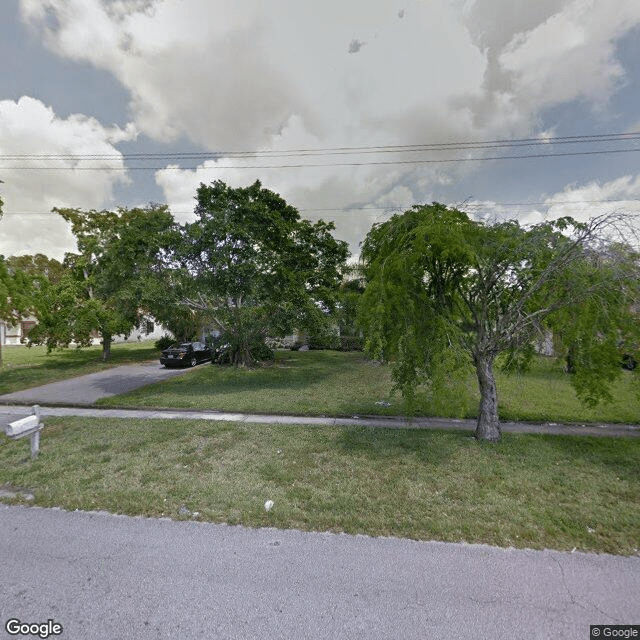
11461 Northwest 39th street, Coral Springs, FL 33065
To contact a resident: (954) 346-8031
For more information about senior living options: (866) 208-4318
Prestige Manor of Coral Springs Costs & Pricing
Prestige Manor of Coral Springs offers competitive monthly rates for its residents, positioning itself as an attractive option within both Broward County and the broader state of Florida. For a semi-private room, residents can expect to pay $2,500, which is notably lower than the county average of $2,902 and the state average of $3,009. Similarly, for those seeking more privacy with a private room option at Prestige Manor, the cost is $2,800 - again, significantly less than the county's average of $3,725 and the state's average of $3,699. These pricing structures not only reflect Prestige Manor's commitment to affordability but also highlight its value in providing quality care while maintaining accessibility for families looking for assisted living solutions.
| Floor plans | Prestige Manor of Coral Springs | Broward County | Florida |
|---|---|---|---|
| Semi-Private | $2,500 | $2,902 | $3,009 |
| Private | $2,800 | $3,725 | $3,699 |
Assisted Living communities with a similar price nearby
-
from -$100 / mo
Ana's Assisted Living Facility
$2,400 / month18.3 miles away -
from +$400 / mo
Independence Hall
$2,900 to $4,572 / month12.6 miles away -
from -$305 / mo
Grand Villa Of Delray East
$2,195 to $4,495 / month15.5 miles away -
from +$200 / mo
Flamingo Assisted Living
$2,700 to $4,500 / month11.6 miles away -
from -$305 / mo
Grand Villa of Deerfield Beach
$2,195 to $2,995 / month9.0 miles away
Overall Review of Prestige Manor of Coral Springs
Pros
 The director, Preet, was very attentive to detail in helping him to settle in.
- The staff adjusted to what he liked, and Donna and Carolyn became his favorites.
- The care was much more personal in a home environment like this than it would have been in a larger facility.
- Beautiful facility and beautiful staff.
- Residents look well taken care of.
- They answered my questions quickly and easily.
Review
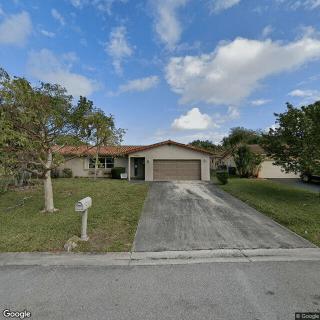
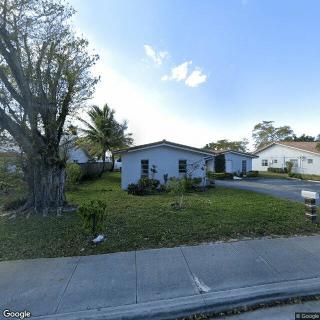
Prestige Manor of Coral Springs is best suited for families seeking an intimate, hands-on elder-care environment in Coral Springs where a resident can receive highly personalized attention in a home-like setting. The accounts underscore a campus where leadership is accessible and actively involved in the transition to care, with Preet, the director, attentive to the details of settling a loved one in, and where staff members quickly adapt to individual preferences. This is the kind of place where care feels individualized rather than institutional, and where relationships with caregivers become a meaningful part of daily life.
Those weighing alternatives should consider whether a larger campus with broader amenities and more expansive medical capabilities is necessary. If a loved one requires a more clinical, hospital-like setup, or if the expectation includes a wide slate of on-site programs, activities, and specialized memory-care services, other options may serve better. For families who anticipate frequent or complex medical needs, or who want a facility with a higher degree of structured programming and a larger staff footprint, exploring additional communities could be prudent.
The strongest pros here are clear and powerful. The facility’s beauty, coupled with a staff that conveys genuine warmth, signals a setting where residents look well cared for. Quick, straightforward responses to questions and a facility that feels well organized contribute to a caregiver’s peace of mind. Most importantly, the instances of personal attention, staff adjusting routines to fit what the resident liked, and connections with caregivers who become favorites, translate into daily reliability and a sense of belonging that larger campuses often struggle to deliver.
The personal approach matters immensely, especially for families who are geographically distant. When loved ones cannot be present frequently, knowing that the director and front-line staff are closely involved in the resident’s daily life provides enormous reassurance. The anecdotes about staff members forming meaningful relationships and the home-like atmosphere creating comfort for the resident’s family emphasize a level of trust that can be hard to find in bigger facilities. In this context, the emotional and relational advantages function as a practical anchor for decision-making.
Where there could be caveats, they stem from the natural trade-offs of a smaller, more intimate operation. A campus that prioritizes individualized attention and a warm, homelike feel may offer fewer on-site activities, fewer specialized clinical programs, and a smaller repertoire of amenities than larger communities. For families prioritizing a robust calendar of events, diverse social opportunities, or highly advanced medical oversight, those gaps can matter. Yet the strength of the model, the continuity of caregiver relationships, the ability to tailor routines, and the sense that care is crafted around the resident’s preferences, often offsets these limitations.
In the end, Prestige Manor of Coral Springs stands out for families prioritizing trust, personal connection, and a care environment that feels almost familial. It is a practical choice for seniors who thrive with individualized attention and for whom the reassurance of a known, hands-on administrator and consistent caregivers can outweigh the appeal of a bigger campus. Those who need a broader slate of medical services or more expansive activity programming should explicitly compare options with larger communities. For decision-makers seeking a compassionate, reliable, home-like setting where the resident’s comfort and preferences drive daily care, Prestige Manor offers a compelling, no-nonsense fit.
 6 resident community capacity
 Assisted Living
 Board and Care Home
 Activities off-site
 Bath tubs
 Beautician on-site
 Cable or satellite TV
 Devotional services off-site
 Dining room
 Fully furnished
 Garden
 Housekeeping services
 Indoor common areas
 Move-in coordination
 Outdoor common areas
 Private
 Respite or short term stays offered
 Telephone
 Wheelchair accessible showers
 Wi-Fi/high-speed internet available
 Fort Lauderdale-Hollywood International (16 miles away)
 24-hour supervision
 Assistance with bathing
 Assistance with dressing
 Assistance with transfers
 Diabetes diet
 Diabetic care
 Incontinence care
 Meal preparation and service
 Medication management
 Special dietary restrictions
 Transportation arrangement (medical)
 Transportation to doctors appointments

 Comprehensive Insights into Activities of Daily Living (ADLs) and Their Assessment
 Medicare Coverage for Assisted Living: An In-Depth Exploration
 Choosing the Right Senior Care: A Detailed Exploration of Assisted Living and Nursing Homes