Neurorestorative III- Florida

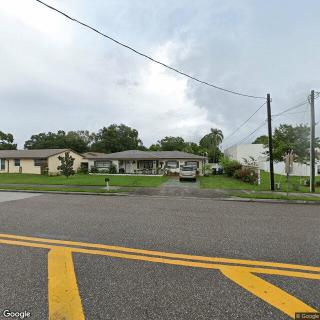
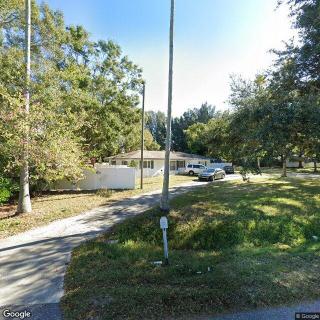
2769 Whitney Road - Building Countryside, Clearwater, FL 33760

For more information about senior living options: (844) 490-3973

4.2 from 5 reviews
5 stars
4
4 stars
0
3 stars
0
2 stars
0
1 stars
1

Assisted Living

Overall Review of Neurorestorative III- Florida

Pros

  • pro The staff treat him like family.
  • pro They have provided him with a safe and structured living environment.
  • pro The program offers community outings and activities he enjoys.
  • pro Management has been responsive and easy to reach.
  • pro Phone calls and emails are returned quickly.
  • pro Any concerns or issues are addressed immediately.
  • pro NeuroRestorative Clearwater has been a godsend for the family.
  • pro It has dramatically improved the father's health, mobility, and social interaction.
  • pro The staff have been compassionate guides through healthcare and long-term care systems.
  • pro The facility is amazing for their son.
  • pro He is the happiest he has ever been.
  • pro The staff are welcoming and readily available to answer calls and emails.

Cons

  • pro False sign-on bonus.
  • pro Management is non-existent.
  • pro Workers are overworked and underpaid.
  • pro Mandatory RBT training leads to being used as a CNA for a fraction of pay.
  • pro The on-shift "in-charge" employee is a joke.
  • pro For loved ones' protection, keep them away from this facility and company.

Review

NeuroRestorative Clearwater has been a steady anchor for several families, spanning more than a decade in some cases. Among the voices sharing their experiences, one family describes a resident who has lived there for 15 years. They portray a living environment that feels safe and structured, with staff who treat their relative "like family." The setting isn't just about supervision; it's about daily life that includes community outings and activities that align with the resident's interests. The overall tone from this account is one of gratitude for a long-standing place that has provided continuity and stability.

Another perspective highlights the personal touch of the staff and the responsiveness of leadership. A different family notes that NeuroRestorative Clearwater has offered opportunities for meaningful engagement and consistent communication. They emphasize that management is easy to reach, with phone calls and emails returned promptly and concerns addressed without delay. The implication is that the culture of care at the facility centers on being available, approachable, and proactive in making sure problems are handled quickly and effectively.

A third testimonial centers on health and practical navigation through complex care systems. For the father mentioned in the review, the Clearwater program has markedly improved overall health, mobility, and social interaction over more than a decade. The staff are described as compassionate guides who present positive, constructive solutions to difficult situations. Rather than simply managing daily routines, they're portrayed as partners who help families maneuver healthcare and long-term care systems, offering reassurance when paths forward feel confounding.

A fourth account focuses on the experience of the son living at the facility. The writer is clearly grateful, stating that their son is the happiest he's ever been. The ambiance at the facility is described as welcoming, with staff who are consistently available and responsive to calls and emails. This sentiment reinforces the impression of a warm, family-like environment where communication lines stay open and families feel connected to their loved ones' day-to-day lives.

Yet not every voice is unambiguously positive. A strong critique presents a starkly different picture, asking how the facility remains open given several troubling observations. The reviewer cites issues such as a false sign-on bonus, a lack of effective management, and workers who feel overworked and underpaid. They raise concerns about mandatory RBT training, suggesting that participants are used as CNAs at a fraction of pay, and describe the on-shift supervisor as a "joke." The reviewer warns other families to keep their loved ones away from the facility for protection, indicating that the problems may extend beyond a single location and cast a shadow over the company's practices.

Taken together, these experiences sketch a multifaceted portrait of NeuroRestorative Clearwater. On one side, there are enduring, positive narratives of safety, structure, and deeply supportive staff who become trusted allies for families navigating long-term care. Longtenured residents and their relatives speak of meaningful activity, improved health and mobility, and a sense of partnership with caregivers who are responsive and invested. The warmth of the community, the accessibility of management, and the willingness to address concerns quickly emerge as consistent threads in these favorable stories.

On the other side lies a cautionary perspective that calls for attention to systemic issues. The negative account foregrounds potential gaps in leadership, compensation, and training practices that could undermine the quality of care and the staff experience. It serves as a reminder that even highly valued and long-standing facilities can face significant challenges, particularly around organizational culture, staffing stability, and transparent communication about benefits and roles. For families considering the center, this critique underscores the importance of due diligence, asking pointed questions, and seeking firsthand impressions from current residents and their loved ones.

Ultimately, the collection of stories reflects a spectrum of lived experiences at NeuroRestorative Clearwater. The positive narratives celebrate a place that provides safety, connection, and practical support that can transform daily life for residents and their families. The negative account highlights issues that deserve scrutiny and corrective action to ensure that every family can feel confident in the care their loved ones receive. For anyone evaluating this facility, the takeaway is to balance the evident strengths in community, responsiveness, and compassionate care with a careful assessment of management practices, staffing realities, and the potential for systemic improvements.

Features

Housing

  • 8 resident community capacity 8 resident community capacity

Types of Care

  • Assisted Living Assisted LivingAssisted living facilities provide crucial support and care for seniors who may need help with daily tasks such as medication management, bathing, and meal preparation. These communities offer a safe and comfortable environment where seniors can maintain their independence while receiving the assistance they need to thrive in their golden years.

Amenities

  • Cable or satellite TV Cable or satellite TVCable or satellite TV is important for seniors because it provides entertainment, news, and companionship, helping to combat loneliness and boredom. It also offers a wide range of programming options tailored to different interests and preferences.
  • Dining room Dining roomDining rooms are important for seniors as they provide a space for socialization, connection, and nutritious meals. They offer opportunities for residents to bond over shared meals, foster a sense of community, and promote healthy eating habits. Dining rooms also ensure that seniors have access to well-balanced meals tailored to their dietary needs and preferences.
  • Fully furnished Fully furnishedFully furnished senior living communities are important for seniors because they provide convenience, comfort, and a hassle-free moving experience. Seniors can easily settle into their new living space without the stress of having to buy and move furniture. This allows them to focus on enjoying their new home and community.
  • Garden GardenGardens are important for seniors as they provide a peaceful and therapeutic environment for relaxation, physical activity, and socialization. Being in nature has been shown to reduce stress, improve mood, and promote overall well-being. Gardens also offer opportunities for seniors to engage in gardening activities, which can improve mobility, flexibility, and cognitive function. Additionally, gardens create a sense of community and connection with others who share a passion for plants and outdoor spaces.
  • Housekeeping services Housekeeping servicesHousekeeping services are important for seniors because they help maintain a clean and safe living environment, promote independence, and reduce the risk of accidents or illnesses. Additionally, having assistance with household chores can alleviate physical strain and allow seniors to focus on other aspects of their well-being.
  • Move-in coordination Move-in coordinationMove-in coordination is important for seniors because it helps ease the transition into their new living environment. It ensures that all logistics, such as packing, organizing movers, and setting up utilities are taken care of, allowing seniors to focus on settling in and adjusting to their new home. Having a smooth move-in process can alleviate stress and anxiety, making the transition smoother and more enjoyable for seniors.
  • Outdoor space Outdoor spaceOutdoor spaces are important for seniors as they provide opportunities for physical activity, social interaction, exposure to natural light and fresh air, and a sense of connection to nature. Having access to outdoor spaces can improve overall well-being and quality of life for older adults living in senior communities.
  • Telephone TelephoneTelephones are important for seniors as they provide a lifeline for communication with loved ones, emergency services, and healthcare providers. They offer a sense of security and independence, enabling seniors to stay connected and access assistance when needed.
  • Wi-Fi/high-speed internet available Wi-Fi/high-speed internet availableWi-Fi/high-speed internet is important for seniors to stay connected with loved ones, access online resources, and participate in virtual activities to combat feelings of loneliness and isolation. It also allows them to easily manage healthcare needs, access entertainment, and engage in lifelong learning opportunities.

Transportation

  • St. Petersburg-Clearwater International (2 miles away) St. Petersburg-Clearwater International (2 miles away)
  • Tampa International (12 miles away) Tampa International (12 miles away)

Care Services

  • 24-hour supervision 24-hour supervision24-hour supervision is important for seniors to ensure their safety, well-being, and access to immediate assistance in case of emergencies or health issues. This constant support provides peace of mind for both seniors and their loved ones, allowing them to age in place with dignity and security.
  • Activities of daily living assistance Activities of daily living assistanceActivities of daily living assistance are important for seniors because they provide essential support with tasks such as eating, bathing, dressing, and mobility. This assistance helps seniors maintain their independence, dignity, and overall quality of life as they age.
  • Assistance with bathing Assistance with bathingAssistance with bathing is crucial for seniors as it helps maintain personal hygiene, prevents infections, and ensures their overall well-being and comfort. It also provides a sense of dignity and independence for seniors who may struggle with this task on their own.
  • Assistance with dressing Assistance with dressingAssistance with dressing is important for seniors because it helps maintain their independence, promotes personal hygiene, prevents accidents and injuries, and improves overall quality of life. This service ensures that seniors can continue to dress comfortably and confidently, despite any physical limitations they may have.
  • Assistance with transfers Assistance with transfersAssistance with transfers is crucial for seniors as it helps prevent falls and injuries, maintains their independence, and ensures they can safely navigate their living environment. It also provides peace of mind for both seniors and their loved ones.
  • Coordination with health care providers Coordination with health care providersCoordination with health care providers is crucial for seniors to ensure proper medical care, medication management, and overall well-being. This collaboration helps prevent overlapping treatments, track progress more effectively, and provide comprehensive support tailored to individual needs.
  • Diabetes diet Diabetes dietA diabetes diet is crucial for seniors as it helps manage blood sugar levels, reduce risks of complications, and improve overall health and well-being. By following a balanced and nutritious diet tailored to their specific needs, seniors can better control their diabetes and enhance their quality of life.
  • Meal preparation and service Meal preparation and serviceMeal preparation and service are crucial for seniors as they may have limited mobility or energy to cook nutritious meals. Having access to healthy and convenient food options can ensure they are getting the proper nutrition needed to maintain their overall health and well-being.
  • Medication management Medication managementMedication management is crucial for seniors to ensure they are taking the right medications at the correct dosages and times. This helps prevent adverse drug interactions, reduces the risk of medication errors, and promotes overall health and well-being. Proactive management also allows for adjustments as needed based on changing health conditions or new prescriptions.
  • Special dietary restrictions Special dietary restrictionsSpecial dietary restrictions are important for seniors because age-related changes in metabolism and health conditions can make it difficult for their bodies to process certain foods. By following a diet tailored to their specific needs, seniors can maintain their overall health and well-being, manage chronic conditions, and reduce the risk of complications such as malnutrition or food interactions with medications.
  • Transportation arrangement (medical) Transportation arrangement (medical)Transportation arrangements for medical purposes are essential for seniors as they may have difficulty driving themselves to appointments or accessing public transportation. Having reliable and safe transportation options ensures that seniors can receive timely medical care and maintain their health and well-being.
  • Transportation to doctors appointments Transportation to doctors appointmentsTransportation to doctors' appointments is crucial for seniors as it ensures they have access to necessary medical care and support for their health needs. Without reliable transportation, seniors may struggle to attend important appointments, leading to potential delays in treatment and health complications. Providing transportation services helps seniors maintain their overall well-being and quality of life.

Dining

  • Diabetes diet Diabetes dietA diabetes diet is crucial for seniors as it helps manage blood sugar levels, reduce risks of complications, and improve overall health and well-being. By following a balanced and nutritious diet tailored to their specific needs, seniors can better control their diabetes and enhance their quality of life.
  • Special dietary restrictions Special dietary restrictionsSpecial dietary restrictions are important for seniors because age-related changes in metabolism and health conditions can make it difficult for their bodies to process certain foods. By following a diet tailored to their specific needs, seniors can maintain their overall health and well-being, manage chronic conditions, and reduce the risk of complications such as malnutrition or food interactions with medications.

Activities

  • Community-sponsored activities Community-sponsored activitiesCommunity-sponsored activities are important for seniors as they provide opportunities for social interaction, mental stimulation, and physical activity. These activities can help improve overall well-being, combat loneliness and isolation, and promote a sense of belonging and purpose among older adults.
  • Scheduled daily activities Scheduled daily activitiesScheduled daily activities are important for seniors because they provide structure, socialization, mental stimulation, and physical activity. Engaging in regular activities can improve overall well-being and quality of life for seniors living in a community setting.

Description

Neurorestorative III in Clearwater, FL is an assisted living community that offers a range of amenities and care services to meet the unique needs of its residents. The community is fully furnished and provides a comfortable and homely environment for its residents.

One of the highlights of this community is the dining room where residents can enjoy delicious meals prepared by the staff. Special dietary restrictions are taken into consideration to ensure that each resident receives the necessary nutrition they require.

The community also offers various amenities such as a garden and outdoor space, providing opportunities for residents to relax and enjoy nature. Wi-Fi/high-speed internet is available for those who want to stay connected with their loved ones or enjoy online activities.

Care services provided at Neurorestorative III include assistance with activities of daily living, such as bathing, dressing, and transfers. The staff also coordinates with health care providers to ensure that each resident's medical needs are met. Medication management is available to help residents properly take their medications.

Transportation services are available for medical appointments, ensuring that residents have access to necessary healthcare services. Additionally, move-in coordination is provided to make the transition into this assisted living community as smooth as possible.

Residents can engage in scheduled daily activities designed to promote physical and mental well-being. Whether it's exercising, socializing, or participating in recreational activities, there are plenty of options for everyone.

Neurorestorative III is conveniently located near several parks, pharmacies, physicians' offices, restaurants, transportation options, and theaters. This ensures that residents have easy access to various services and entertainment options in the surrounding area.

Overall, Neurorestorative III in Clearwater, FL provides a supportive and comfortable environment for individuals seeking assisted living care. With its range of amenities and care services tailored to individual needs, residents can enjoy a fulfilling lifestyle while receiving the assistance they require.

Nearby Places of Interest

This part of Clearwater, Florida, offers a convenient and diverse array of amenities for senior living. With multiple pharmacies and physicians in close proximity, residents have easy access to healthcare services. Additionally, there are several well-known restaurant chains such as McDonald's and Chick-Fil-A nearby for dining options. For recreation, there are various parks within a few miles' radius, providing opportunities for outdoor activities. The area also boasts a selection of theaters for entertainment purposes. Transportation is readily available with the St Pete-Clearwater International Airport located just 2.2 miles away. Overall, this neighborhood offers a blend of convenience and leisure options that cater to the needs of seniors looking for an engaging and accessible community to call home.

Restaurants

  • McDonald's (0.5 miles)
  • McDonald's (2.7 miles)
  • Chick-Fil-A (2.8 miles)
  • Chick-Fil-A (3.2 miles)
  • Chick-Fil-A (3.9 miles)
  • Courtside Grille (4.3 miles)
  • Chili's Grill & Bar (4.3 miles)

Pharmacies

  • Walgreens (0.7 miles)
  • CVS Pharmacy (1.4 miles)
  • Walgreens (2 miles)
  • CVS Pharmacy (2.4 miles)
  • Winn-Dixie (2.4 miles)
  • CVS Pharmacy (3 miles)
  • CVS Pharmacy (3 miles)

Physicians

  • Premier Miller (0.8 miles)
  • Pinellas County Environmental Health (2.9 miles)
  • Bay Dermatology & Cosmetic Surgery (3.2 miles)
  • Clearwater Pediatric Care (3.4 miles)
  • Village Family Practice (3.7 miles)
  • Carillon Sports & Family Medicine (4.2 miles)
  • Skin Wellness Center (4.7 miles)

Parks

  • Dog Run (1.3 miles)
  • McMullen Booth Tennis Center Clearwater FL (2.4 miles)
  • Eagle Lake Park (2.7 miles)
  • Largo Central Park (3.1 miles)
  • Kapok Park (3.7 miles)
  • Freedom Lake Park (4.4 miles)
  • Cooper Bayou Park (4.8 miles)

Transportation

  • St Pete-Clearwater International Airport (PIE) (2.2 miles)

Theaters

  • Regal Largo Mall (4.3 miles)
  • Regal Park Place & RPX (6.3 miles)
  • SMG Seminole (6.9 miles)

Hospitals

  • Morton Plant Hospital (5.4 miles)
  • Morgan Heart Hospital (5.4 miles)

Cafes

  • Belleair Coffee Company (5.7 miles)
  • Panera Bread (6.2 miles)
  • Starbucks (6.4 miles)
  • Starbucks (7 miles)

Places of Worship

  • Christ The Cornerstone (6.5 miles)

Frequently Asked Questions

Where is Neurorestorative III- Florida?

Nearby Communities

Related Resources

  • assisted living for disabled adultsComprehensive Residential Support and Assisted Living Solutions for Individuals with Disabilities

    The article examines the complexities of assisted living for individuals with disabilities, emphasizing the need for tailored care solutions that enhance quality of life and social inclusion, while addressing financial challenges and advocating for community integration. It discusses various housing options, the importance of financial assistance through public benefits, and highlights trends towards integrated and technology-driven solutions in disability-focused housing.

  • assisted living for disabled adultsComprehensive Supportive Living Arrangements for Adults with Disabilities

    Assisted living for adults with disabilities has transformed to provide personalized care and support services aimed at improving residents' quality of life while balancing independence and assistance. However, low-income individuals often face challenges in affording these services, requiring navigation of various financial resources and advocacy for better policies and solutions.

  • how to pay for assisted livingFunding and Affording Assisted Living: A Thorough Overview

    Assisted living facilities provide support for older adults needing help with daily activities without extensive medical care, but their costs can be high and vary by location and services offered. Families often seek various funding options and financial strategies to manage these expenses effectively while considering future needs and potential price increases.