
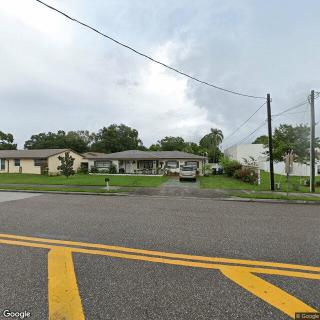
2769 Whitney Road, Clearwater, FL 33760
For more information about senior living options: (866) 208-4318
Overall Review of Neurorestorative Florida
Pros
 The staff treat residents like family and provide a safe, structured living environment.
- The program provides opportunities for community outings and activities residents enjoy.
- Management is responsive and easy to reach.
- Phone calls and emails are returned quickly, and concerns are addressed immediately.
- NeuroRestorative Clearwater has been a godsend for families, dramatically improving health, mobility, and social interaction.
- The staff offer compassionate guidance and positive solutions through complex healthcare and long-term care systems.
Cons
 The reviewer questions how this facility remains open given the issues observed.
- The reviewer alleges a false sign-on bonus.
- The reviewer asserts that management is non-existent.
- The reviewer states workers are overworked and underpaid.
- The reviewer claims mandatory RBT training results in employees being used as CNAs for a fraction of pay.
- The reviewer describes the on-shift supervisor as a joke.
- The reviewer warns to keep loved ones away from the facility for their protection.
- The reviewer believes other locations are run in a subpar manner.
Review
Neurorestorative Clearwater is best suited for adults who require a highly structured, long-term living environment with a clear focus on neurological or complex care needs, and for families who prize a genuinely familial care culture. The community earns trust through lasting caregiver relationships, with residents who stay for years and staff who consistently treat people like part of the family. The combination of safety, routine, and meaningful activity creates a predictable, supportive backdrop where daily life feels manageable and familiar, which is precisely what families seeking continuity over intensity will value.
This setting may not be the right fit for families chasing exclusive upscale amenities, flashy marketing, or rapid turnover in leadership. It also warrants caution for those who demand airtight, visible governance at all times. One review highlights concerns about management presence, staffing pressures, and pay structures, suggesting that leadership dynamics can influence the day-to-day experience. While that account contrasts with the longer-term testimonials, it signals the need for a careful, on-the-ground assessment before committing, particularly if transparent, proactive oversight is a non-negotiable priority.
The strongest positives center on people and structure. Long-tenured residents reveal that the staff structure is responsive, accessible, and attentive, with management that returns calls promptly and addresses concerns without delay. The care team’s ability to offer practical, compassionate solutions to complex healthcare journeys helps families navigate long-term care and rehab systems more smoothly. Family members repeatedly describe improvements in health, mobility, and social engagement, driven by a program that emphasizes community outings and activities residents genuinely enjoy. That combination, safe routines plus opportunities to connect and participate, creates meaningful quality-of-life gains that offset many ordinary frustrations found in comparable facilities.
Against that backdrop, the notable caveat remains: leadership and staffing dynamics can swing the actual experience. The most explicit downside cites overworked and underpaid staff and a sense that management is not as present as it should be, along with concerns about training practices and financial incentives like a questionable sign-on bonus. Such red flags rightly invite scrutiny, as they can erode morale, impact consistency of care, and shape the day-to-day atmosphere. Yet they exist alongside repeated, positive reports of staff availability and resident-centric responsiveness, suggesting that outcomes depend heavily on local leadership and current staffing realities rather than on the facility’s philosophy alone.
For families weighing the decision, the evaluation toolkit should be concrete. Seek a current, direct conversation with the administrator about staffing ratios, turnover rates, and ongoing staff training; request recent incident and corrective-action logs; and verify what long-term residents say about day-to-day consistency. Visit multiple times at different hours, meet direct care staff, and observe how staff communicate with residents and families. Ask for resident references and for a transparent explanation of any past or present management restructuring. Clarify what supports exist for caregivers navigating complex medical decisions, and determine whether the level of medical and rehabilitative services aligns with the resident’s specific needs and trajectory.
In the end, Neurorestorative Clearwater offers a compelling blend of stability, heartfelt care, and proven outcomes for residents who thrive on continuity and personal connection. The strongest case is for families seeking a dependable, family-like environment where long-tenured staff know the residents well and persistently advocate for their well-being. However, the decision should be tempered by a clear-eyed assessment of leadership consistency and staffing conditions. If leadership visibility and a proven plan to sustain staff engagement are solid and current, this community stands out as a pragmatic, effective choice for long-term neurocare and quality-of-life gains. If those governance and staffing assurances cannot be confirmed, exploring alternatives with clearer, more robust oversight may be prudent.
 Assisted Living
 Activities on-site
 Devotional services off-site
 Indoor common areas
 St. Petersburg-Clearwater International (2 miles away)
 Ambulatory care
 Meals provided




 Exploring the Path to Senior Living: A Comprehensive Look at Independent Living and Assisted Living
 Is Assisted Living Deductible on Your Taxes? Understanding the Complexities of Assisted Living Expenses and Deductions
 Assisted Living Support for Veterans: A Complete and Detailed Overview