
14801 54Th Way N, Clearwater, FL 33760
For more information about senior living options: (866) 208-4318
Overall Review of Memorial Assisted Living Facility
Pros
 The facility is a great place for those comfortable with its backstory.
- The reviewer describes it as a great place for a certain audience.
- It is presented as a great place, depending on acceptance of its founding history.
Cons
 The place kicked out a family that had lived there for three generations to make it an operational assisted living facility.
- The eviction of long-time residents is portrayed as a troubling move.
- The transformation into an assisted living facility is viewed as prioritizing profit over the community.
Review
Memorial Assisted Living Facility in Clearwater is best suited for families that prize a well-presented living environment and straightforward access to assisted living services in the near term, and that can tolerate significant shifts in governance. The strongest signal from the available input is not the amenities or the routine care, but the implication that leadership choices have overridden long-standing resident occupancy to reposition the property as an operating ALF. In practical terms, this means the community may deliver a polished setting and competent daily care, but with a real possibility that familiar residents and the social fabric they built could be disrupted for operational reasons.
Those who should consider alternatives are families prioritizing stability and continuity, where residents are not at risk of being displaced because a decision was made to modify occupancy or ownership structure. If the goal is guaranteed residency, predictable terminations, transparent plans for future changes, and a track record of placing resident welfare before financial or strategic shifts, another community is a safer bet. The single review signals a red flag about displacement that cannot be ignored when evaluating long-term care options.
On the upside, the reviewer labeled the facility “great”, a value judgment that indicates solid day-to-day functioning and an appealing environment for the right buyer. This strength matters for families who value a well-run routine, clean spaces, and attentive staff in the moment. However, the weight of the core drawback, resident displacement, tends to overshadow this upside. The benefit of a nice setting does not counterbalance the risk of losing a three-generation resident family from the community, nor does it reassure families that future policy decisions won’t erase the continuity essential to comfort and trust.
The main con is the forced departure of a multi-generational family to retool the facility. That implies a governance posture ready to prioritize operations over resident loyalty, with potential for abrupt relocations or policy reversals that can shatter long-standing community ties. For families with complex medical needs, this environment creates an underlying anxiety: will care quality be steady, or will the housing situation change without warning? The absence of a broader evidence base (only one review) means caution is essential; but one clear signal about housing stability is enough to demand hard questions before committing.
Practical due diligence steps are essential: demand a written policy on occupancy changes and resident displacement; seek assurances of guaranteed residency terms, relocation protections, and financial safeguards; talk to current residents and families about their experience; ask for clear exit/transfer arrangements and transitional support if changes occur; scrutinize the contract for any clauses that allow abrupt revocation of residency; request a visit with leadership to gauge responsiveness and ethics; and compare with other Clearwater ALFs that emphasize resident-first philosophy and stable governance.
Bottom line: Memorial Assisted Living Facility may be a fit for a family that values a pleasant environment and immediate care while accepting the specter of potential disruption to resident communities. For the majority seeking dependable, stable residency and a transparent, ethics-forward approach, alternatives are strongly recommended. Treat the displacement risk as a non-negotiable factor; verify every protective measure; and only proceed after clear, enforceable guarantees are in place. In practice, use a decision framework that weighs stability, trust, and long-term continuity as heavily as present appearance, care options, and short-term comfort.
 5 resident community capacity
 Assisted Living
 Cable or satellite TV
 Dining room
 Fully furnished
 Garden
 Housekeeping services
 Move-in coordination
 Outdoor space
 Telephone
 Wi-Fi/high-speed internet available
 St. Petersburg-Clearwater International (1 miles away)
 24-hour supervision
 Activities of daily living assistance
 Assistance with bathing
 Assistance with dressing
 Assistance with transfers
 Diabetes diet
 Meal preparation and service
 Medication management
 Special dietary restrictions
 Transportation arrangement (medical)
 Transportation to doctors appointments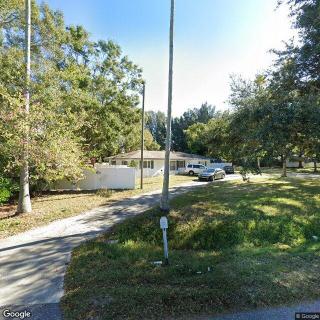




 Assisted Living and Memory Care: Understanding Their Core Differences
 Beyond the Bingo Hall: 50+ Enriching Activities for Seniors in Assisted Living
 Understanding the Distinctions: Assisted Living and Memory Care Explained