
323 49Th Street Nw, Bradenton, FL 34209
For more information about senior living options: (866) 208-4318
Overall Review of Twin Angels Assisted Living Facility
Cons
 They suck.
- They don't care about customers' feelings.
- People wouldn't be advised to come here.
Review
Twin Angels Assisted Living Facility in Bradenton is best considered for residents who are largely independent, capable of handling everyday routines with minimal hands-on assistance, and who do not require proactive emotional support from staff. The sole firsthand report available describes staff as uncaring toward residents’ feelings, a characteristic that signals a misalignment for anyone who expects reliable empathy, timely help, and a culture that prioritizes resident dignity. In practical terms, this community may only be appropriate for individuals who can self-advocate, tolerate slower response times, and manage personal needs with limited intervention. Families should not expect a high-touch, resident-centered environment based on the feedback presently documented. Those facing significant medical fragility, cognitive impairment, or the need for consistent, reassuring caregiving should treat this option as a high-risk candidate and evaluate alternatives first.
The rating reflects a severe caution flag: one star from a single review cannot establish broad reliability, but it does establish a clear warning signal for families beginning the search. The reviewer’s core message centers on a perceived lack of concern for resident feelings and a recommendation against moving there. In a decision-making process, this singular voice, though not a broad sample, points to a pattern that would be incompatible with families seeking a supportive, respectful, and responsive living environment. The absence of any positive corroboration in the available feedback further amplifies the concern and should weigh heavily in a practical comparison of options.
Given the strength (or in this case, the absence) of measurable positives in the available feedback, several explicit alternatives deserve priority consideration. Families prioritizing consistent empathy, quick response to calls, transparent communication, and a culture of respect should explore communities with documented, positive resident experiences and verifiable staff engagement. Look for facilities that publish measurable quality indicators, provide clear complaint resolution procedures, and showcase staff stability through long-tenured teams. If a move is contemplated, insist on speaking with multiple residents and their families, request direct observations of staff-resident interactions, and examine how care plans are created, updated, and communicated. For those with ongoing clinical needs, ensure the chosen option offers robust oversight, routine monitoring, and easy access to medical services.
From a practical standpoint, the absence of explicit, positive operational strengths in the public feedback means the usual offset of pros by cons is unlikely here. Typical advantages of assisted living, structured meals, daily activity programming, safety and supervision, consistent housekeeping, and social opportunities, may be present in principle, but without documented resident satisfaction or staff accountability, those benefits do not translate into a reliable offset against the stated concerns. In other words, unless corroborating evidence appears through additional references, the main con, perceived staff indifference, appears to overwhelm potential upside in terms of resident experience, dignity, and ongoing emotional support. This dynamic is a decisive factor for families that cannot compromise on compassionate care.
When evaluating options, a disciplined, evidence-driven visit plan is essential. Schedule face-to-face tours during mealtimes and peak activity periods to observe real-time interactions and response times. Engage directly with frontline staff about how assistive requests are triaged, how often residents are checked on, and how care plans are communicated to families. Speak with administrators about staff-to-resident ratios, turnover, and any quality assurance processes. Request a copy of the resident bill of rights and room-by-room cost breakdowns, and probe for examples of how concerns have been resolved for other families. If possible, arrange a trial stay or short-term residency with a clear exit plan to test responsiveness, culture, and daily life before making a long-term commitment. The objective is to verify that the care environment aligns with expectations of dignity, attentiveness, and respectful resident engagement.
The bottom-line conclusion is uncompromising: the current feedback landscape signals a high likelihood of dissatisfaction for families that demand empathetic, responsive care. Twin Angels should be approached with extreme caution, and alternatives that demonstrate consistent staff engagement, respectful treatment of residents, and transparent operations should be prioritized. For families where the bar is high for caregiver attentiveness and where the chosen community must actively honor resident feelings, exploration of other Bradenton-area options is strongly advised. If Twin Angels is still on the short list, pursue rigorous, corroborated references and independent observations before any commitment, ensuring that any initial impressions are replaced by a track record of dependable care and a demonstrated commitment to resident well-being.
 6 resident community capacity
 Assisted Living
 Cable or satellite TV
 Dining room
 Fully furnished
 Garden
 Housekeeping services
 Move-in coordination
 Outdoor space
 Telephone
 Wi-Fi/high-speed internet available
 Sarasota Bradenton International (8 miles away)
 24-hour supervision
 Activities of daily living assistance
 Assistance with bathing
 Assistance with dressing
 Assistance with transfers
 Diabetes diet
 Meal preparation and service
 Medication management
 Special dietary restrictions
 Transportation arrangement (medical)
 Transportation to doctors appointments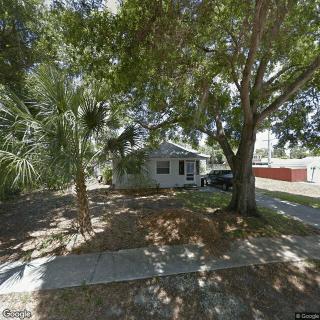
 Convenient location with abundant nearby amenities; peaceful setting.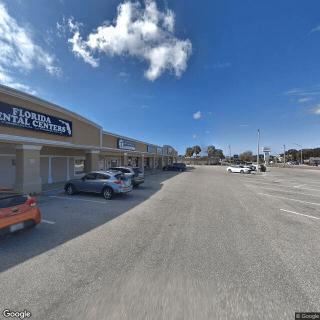

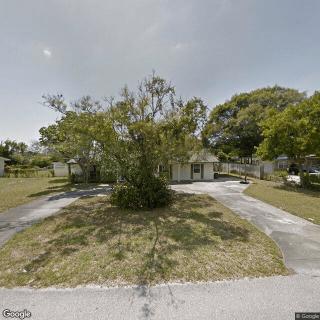



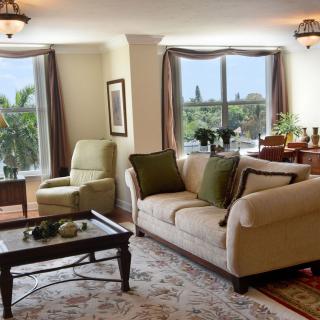
 Comprehensive Supportive Living Arrangements for Adults with Disabilities
 Funding and Affording Assisted Living: A Thorough Overview
 Assisted Living Expenses and Long-Term Care Insurance: A Comprehensive Exploration