For more information about senior living options: (866) 208-4318
4.7 from 26 reviews
5 stars
23
4 stars
1
3 stars
0
2 stars
0
1 stars
2
Villas of Holly Brook Costs & Pricing
At Villas of Holly Brook, monthly costs for various room types reflect a competitive pricing structure when compared to local and state averages. A studio apartment is available for $3,500, which is slightly lower than the Manatee County average of $3,737 and well below the Florida state average of $3,823. One-bedroom units are priced at $4,150, aligning closely with the county's figure of $3,753 but still maintaining a reasonable stance against the state's average of $3,864. For those seeking semi-private accommodations, Villas of Holly Brook offers this option at $4,750 - substantially higher than the county's average of $2,926 and the state's figure of $3,009. Lastly, two-bedroom apartments are available for $5,275; while this rate exceeds both local ($4,943) and state ($4,711) averages, it reflects the premium experience provided by Villas of Holly Brook. Overall, these price points emphasize value through quality and service in a market that presents a range of options for potential residents.
Floor plans
Villas of Holly Brook
Manatee County
Florida
Studio
$3,500
$3,737
$3,823
1 Bedroom
$4,150
$3,753
$3,864
Semi-Private
$4,750
$2,926
$3,009
2 Bedrooms
$5,275
$4,943
$4,711
Memory care communities with a similar price nearby
Residents describe an active calendar with regular events.
Several residents and families mention frequent community activities, including Halloween events and ongoing gatherings. Reviews also describe staff-led activities happening daily or even multiple times a day. The community offers on-site activities, which aligns with the day-to-day emphasis residents describe. A separate review adds that the activities calendar helps residents stay socially connected.
common3 reviews mention this
Entertainment spaces stand out
Residents highlight on-site entertainment like a movie theater.
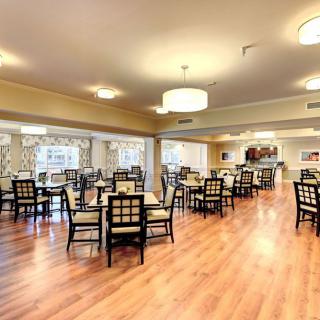
Multiple reviews point to entertainment amenities as a reason they were impressed, including a movie theater and a tiki bar. Residents also describe a facility with dedicated gathering spaces such as an activity room and common areas. While these features are described by residents, the community’s amenities list does include indoor common areas that fit that overall setup.
common7 reviews mention this
Facility design feels well cared
Reviews frequently describe the building as attractive and well kept.
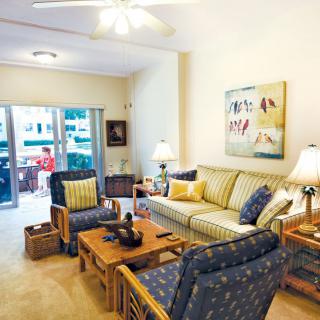
A number of reviews describe the community as beautifully designed, bright, and welcoming. Families also mention seeing residents look happy and cared for, and one review emphasizes that the community feels clean and comforting. Another review calls out the facility’s aesthetics during a tour. Overall, residents and visitors repeatedly connect the appearance of the community with the care they observe.
common10 reviews mention this
Staff care is consistently praised
Residents and families describe attentive, caring staff.
Across multiple reviews, residents and families say staff are attentive and take time to meet needs. Caregiving is also described as supportive during transitions, with one family crediting the team with helping their loved one keep a good outlook. Several reviews mention friendliness at the point of contact, including staff being smiling, engaging, and welcoming. Even so, one negative review about responsiveness prevents this from being universally consistent.
caveat2 reviews mention this
Communication responsiveness is questioned
One review raises concerns about management responsiveness.
At least one reviewer says management was slow to respond and did not answer in a timely way. A second review is also strongly critical, though it does not add detail. These concerns stand out against the broader pattern of reviews describing staff as attentive and supportive.
How we summarize
Counts show how many written reviews mention each theme; a review can touch several themes, and only frequently mentioned themes are displayed.
Features
Types of Care
Assisted Living
Memory Care
Amenities
Activities on-site
Devotional services off-site
Indoor common areas
Transportation
Sarasota Bradenton International (8 miles away)
Care Services
Ambulatory care
Diabetic care
Dining
Meals provided
Activities
Activities on-site
Devotional activities offsite
Videos
Nearby Places of Interest
This part of Bradenton, Florida offers a convenient mix of healthcare services, including physicians specializing in pediatrics, gynecology, and neurology. Nearby hospitals such as H2u and Family Birthplace provide easy access to medical care. Several pharmacies like Winn-Dixie and Walgreens are located within a short distance for medication needs. In terms of recreation, residents can enjoy visits to GT Bray Park and the Bradenton Riverwalk. There are also various dining options available, ranging from casual spots like Shake Pit to upscale restaurants like PIER 22 Restaurant Patio Catering. With its proximity to Sarasota-Bradenton International Airport and reliable transportation options, this area provides accessibility for those looking for senior living with convenience in mind.
Physicians
Charles C. Tomeo, DMD (0.1 miles)
West Coast Pediatrics (0.1 miles)
Gastroenterology Associates of Manatee (0.3 miles)
At Villas of Holly Brook, monthly costs for various room types reflect a competitive pricing structure when compared to local and state averages. A studio apartment is available for $3,500, which is slightly lower than the Manatee County average of $3,737 and well below the Florida state average of $3,823. One-bedroom units are priced at $4,150, aligning closely with the county's figure of $3,753 but still maintaining a reasonable stance against the state's average of $3,864. For those seeking semi-private accommodations, Villas of Holly Brook offers this option at $4,750 - substantially higher than the county's average of $2,926 and the state's figure of $3,009. Lastly, two-bedroom apartments are available for $5,275; while this rate exceeds both local ($4,943) and state ($4,711) averages, it reflects the premium experience provided by Villas of Holly Brook. Overall, these price points emphasize value through quality and service in a market that presents a range of options for potential residents.
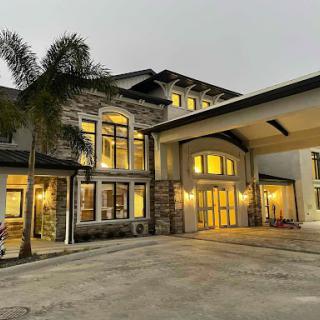
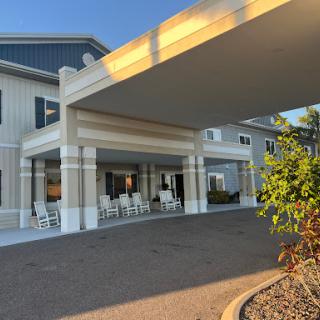
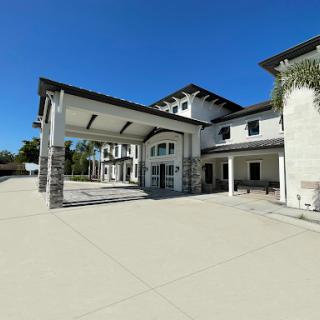
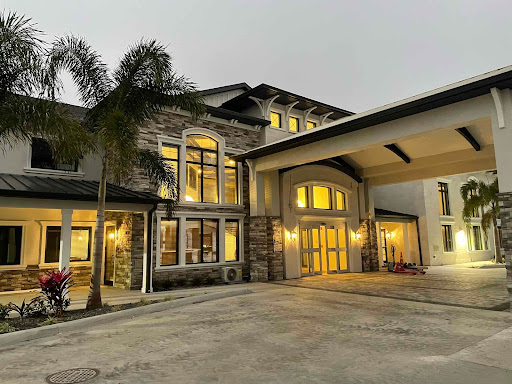
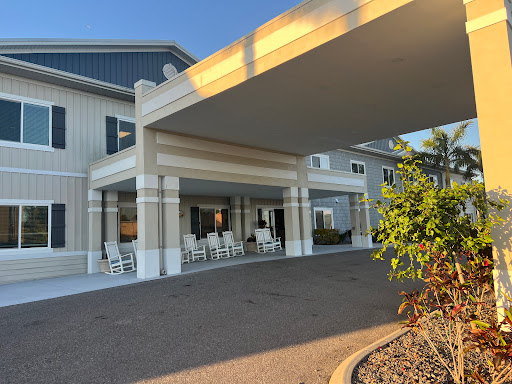
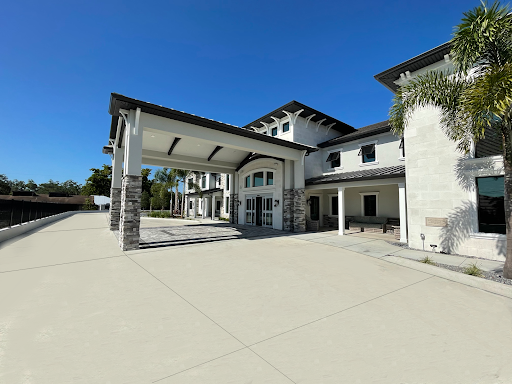
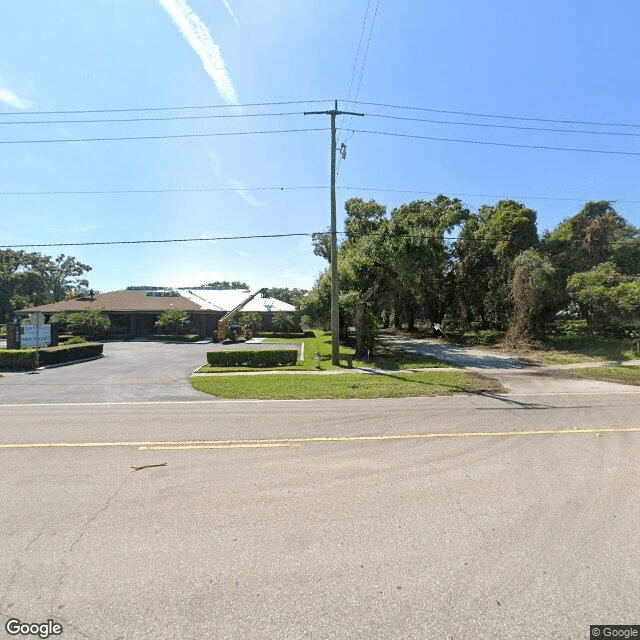
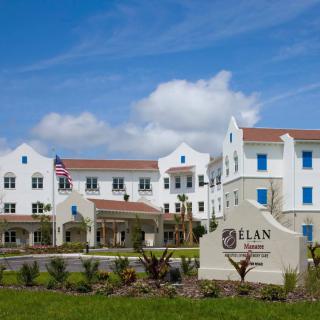
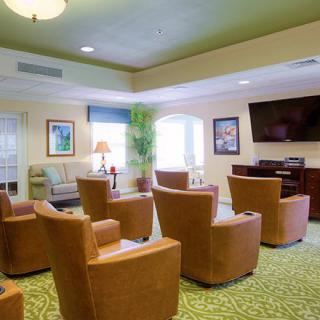
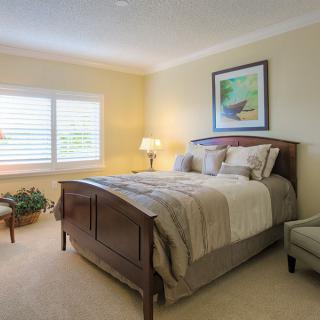
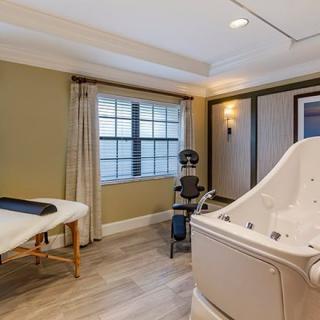
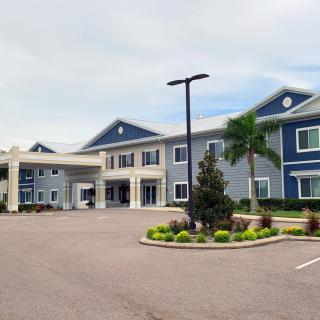
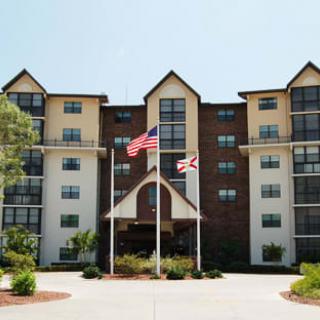
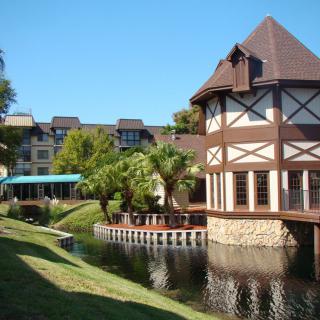
Villas of Holly Brook on seniors.fyi includes 4 photos including images showing building, architecture, entrance, exterior, outdoor, lighting, palm trees, landscaping, and more.
Nearby Communities
Home Helpers of Bradenton
Bradenton, FL
4.9 from 54 reviews
Fully furnished apartments with meals and personalized care.
Casa Mora Rehabilitation And Extended Care
Bradenton, FL
3.5 from 117 reviews
Effective physical therapy and caring staff in many cases; facilities are clean.
Freedom Village Bradenton, a CCRC
Bradenton, FL
4.5 from 144 reviews
$1,778 to $4,488 / month
Friendly staff, good amenities and activities, and a range of care options on a well-maintained campus.
Freedom Village of Bradenton
Bradenton, FL
4 from 55 reviews
Well-maintained facilities with ample activities and amenities.
Surrey Place Convalescent Center
Bradenton, FL
4.4 from 102 reviews
Specialized diabetic care in a skilled nursing setting; convenient access to local services.
Surrey Place Healthcare And Rehabilitation
Bradenton, FL
4.4 from 89 reviews
Comprehensive amenities and 24/7 nursing support
Home Helpers Home Care of Bradenton
Bradenton, FL
4.9 from 63 reviews
Reliable, responsive care with flexible scheduling and compassionate, capable staff.
Westminster Manor of Bradenton
Bradenton, FL
4.2 from 50 reviews
$1,122 to $2,350 / month
Compassionate, attentive staff; clean, well-maintained spaces; a variety of living options and engaging activities.
Water's Edge of Bradenton
Bradenton, FL
4.2 from 111 reviews
$3,850 to $5,850 / month
Caring staff, clean and safe environment with engaging activities and a strong sense of community.
Memory care activities are essential for improving the quality of life of seniors with cognitive impairments, as they stimulate cognitive function, promote well-being, and encourage social interaction through tailored strategies. These activities combine structured exercises with spontaneous tasks, sensory engagement, physical workouts, creative pursuits, and intergenerational interactions to enhance emotional connection and a sense of purpose.
Transitioning from assisted living to memory care is driven by an individual's cognitive decline and specific needs, requiring careful evaluation of indicators like increased confusion and wandering. The process involves consulting medical professionals, researching suitable communities, considering financial and legal aspects, and ensuring effective communication for personalized care plans.
The article differentiates between assisted living and memory care, explaining that assisted living supports seniors with daily activities while promoting independence, whereas memory care provides specialized services for individuals with dementia, focusing on secure environments and cognitive support. It also addresses staff training, safety considerations, costs, family involvement, and transition strategies for families navigating these care options.
Get PricingAsk A QuestionSchedule A TourContact Senior Advisor
By clicking submit, you agree to our Partner's Terms of Use. You
also consent to receive calls and texts, which may be autodialed, from our Partner. Your consent is not a condition to
using our Partner's service. Please visit our Partner's Privacy Policy for information about their privacy practices.

 Assisted Living
 Memory Care
 Activities on-site
 Devotional services off-site
 Indoor common areas
 Sarasota Bradenton International (8 miles away)
 Ambulatory care
 Diabetic care
 Meals provided
 Fully furnished apartments with meals and personalized care.

 Engaging Memory Care Activities That Enhance Quality of Life
 When to Transition from Assisted Living to Memory Care: Key Indicators, Steps, and Finding the Right Community
 Understanding the Distinctions: Assisted Living and Memory Care Explained