
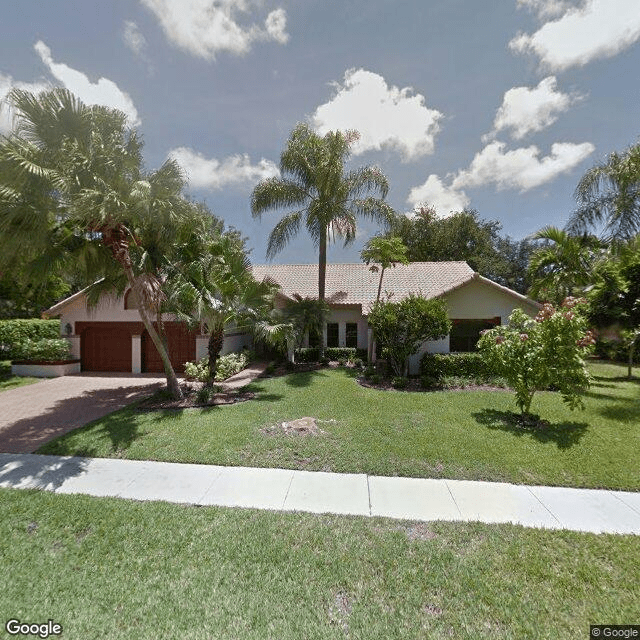
2880 NW 25th Way, Boca Raton, FL 33434
To contact a resident: (954) 683-3945
For more information about senior living options: (866) 208-4318
Havencrest of Palm Beach Costs & Pricing
Havencrest of Palm Beach offers residents a comfortable and supportive living environment, with monthly costs that reflect the quality of care and amenities provided. For a semi-private room, the monthly fee is set at $3,800, which is slightly higher than the average cost in Palm Beach County at $3,592 and significantly above Florida's statewide median of $3,009. Those opting for a private room can expect to invest $5,500 per month; this rate also exceeds the county's average of $4,444 and outpaces the state average of $3,699. While Havencrest's pricing may be higher than both local and state averages, it underscores their commitment to offering enhanced services and personalized care in an upscale setting that many residents find invaluable.
| Floor plans | Havencrest of Palm Beach | Palm Beach County | Florida |
|---|---|---|---|
| Semi-Private | $3,800 | $3,592 | $3,009 |
| Private | $5,500 | $4,444 | $3,699 |
Senior living communities with a similar price nearby
-
About the same
Coral Springs Country Club for Seniors
$3,800 to $4,500 / month11.6 miles away -
from -$300 / mo
Mama Llama LLC
$3,500 to $5,800 / month21.6 miles away -
from -$700 / mo
Upside Plantation
$3,100 to $3,650 / month20.1 miles away -
from -$405 / mo

Classic Home Care, LLC - Aventura
$3,395 / month23.6 miles away -
from -$285 / mo
The Landing Of Lake Worth
$3,515 to $5,950 / month15.8 miles away
Overall Review of Havencrest of Palm Beach
Pros
 The facility is beautiful and the staff are great, making residents feel like family.
- Havencrest ALF V is pretty nice and very well kept.
- The interior of Havencrest ALF V is well kept and features attractive touches like new floors.
- The staff are courteous and attentive to visitors and residents alike.
- The facility provides excellent care.
- The staff pay close attention to residents and assist with reading, feeding, and conversation.
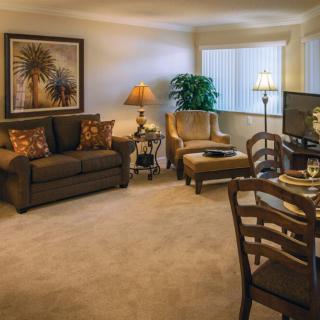
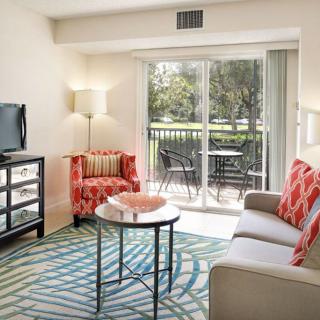
- The home is beautiful and spacious, with a welcoming setup and thoughtful design.
- Outdoor amenities include walks, a fenced pool, and outdoor dining on a back porch.
Cons
 The aides were horrible; they yell at residents.
- They did not like when family members visited every day.
- They would shut the thermostat to 80 degrees, making the room unbearably hot.
- He had bruises on his nose and left hand, and the aides would not tell what happened.
- The residents were medicated and stayed in their rooms.
- The aides were happy to have the residents sleep all day.
- The aides were mean, nasty, lazy, and without compassion.
- They would not answer any questions, and even the owner stopped returning calls.
- One of the aides was not allowed near the husband due to her actions.
- People should not put their loved ones in this place.
- The attitude from the aides started on the first day and worsened.
- The reviewer experienced high blood pressure from aggravation.
- The front was not kept up and needed TLC.
- The price was more than they wanted to spend.
- It wasn’t exceptional but average.
- Havencrest Management did not follow up with insurance requests, so claims were not paid.
- The bedrooms were too small.
Review
Havencrest of Palm Beach is best suited for families seeking a warm, home‑like assisted‑living environment where long‑standing staff and an orderly, well‑kept setting anchor daily life. The community tends to appeal to residents who value personal attention and a sense of belonging over a clinical, hospital‑like atmosphere. For private‑pay households that want predictable routines, visible care, and a facility that feels more like a residential home than a medical campus, Havencrest offers a solid fit. The strongest positives lie in a welcoming interior, consistent kindness from caregivers, and a culture that treats residents like family, which can translate into steady, familiar daily life for a loved one who thrives on relationship and routine.
Alternatives should be considered when safety, responsiveness, and transparent communication are non‑negotiable. The most cautionary experiences paint a troubling picture: aides described as yelling or disengaged, questions left unanswered, and incidents that were not promptly explained or disclosed. In at least one account, the owner’s accessibility was intermittent, reinforcing a sense of accountability gaps. For families prioritizing rigorous safety oversight, clear incident reporting, and proactive problem‑solving, other communities with demonstrably stronger front‑line supervision and swift family communication merit serious consideration.
Pros in this setting include a visibly well‑maintained environment, attractive interior spaces, and a staff culture that makes families feel welcome and supported. Residents who have been there for years describe being treated like family, with attentive care that respects daily routines and social needs. The facility’s curb appeal and landscaped grounds contribute to a positive first impression, and the willingness of caregivers to engage residents in reading, conversation, and light activities translates into meaningful daily life for many. This combination of warmth and polish can make the environment feel safe and comfortable, particularly for seniors who value personal connection and a steady, predictable day.
The most significant cons cluster around frontline caregiving dynamics and administrative responsiveness. Allegations of harsh treatment by aides, limited communication about incidents, and a perception of inadequate accountability suggest that the care climate can deteriorate quickly when supervision softens. Management concerns, especially around responsiveness to family inquiries and coordination with outside agencies such as insurers, feature prominently in the mixed experiences. Additionally, value concerns surface in related Havencrest configurations: some reviewers describe pricing as high relative to what is offered, and even room layouts as cramped in nearby ALF variants, which can complicate decisions for residents who prioritize space and cost balance.
These pros and cons don’t exist in isolation; they offset each other only when several conditions are met. The beauty of the setting and warmth of staff can sustain daily life even when minor bureaucratic frictions arise, but serious safety concerns undermine every benefit. When caregivers are consistently kind and resident interactions feel familial, the positive atmosphere can compensate for some scheduling quirks or occasional bills, but not for injuries, unanswered questions, or a sense that problems disappear into a void. For families where the day‑to‑day trust in frontline staff is uncertain, the weight of the negatives will easily eclipse the positives.
In making a decision, concrete steps matter more than impressions alone. Visit with a plan: tour common areas and private rooms, observe interactions between aides and residents, and request to speak with several caregivers on a typical shift. Ask for current incident logs, care plans, and a clear path for family questions, including who handles escalations and how quickly responses occur. Compare pricing carefully, including what is included for private pay versus insurer billing, and verify that the community’s approach matches the family’s expectations for safety, accountability, and dignity. Finally, interview a few nearby options to ensure the chosen path aligns with the loved one’s need for a respectful, well‑supervised, engaging daily life rather than a space that merely looks polished.
 Board and Care Home
 Activities on-site
 Devotional services off-site
 Indoor common areas
 Private
 Fort Lauderdale-Hollywood International (21 miles away)
 Ambulatory care
 Incontinence care
 Medication management
 Meals provided


 Comprehensive Guide to Blood Pressure Charts for Older Adults: Understanding Normal and High Readings by Age
 Financing Long-Term Nursing Home Care Through Social Security: A Thorough Exploration
 Essential Knowledge on Pneumonia in Older Adults