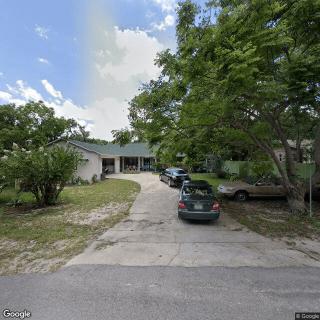
Greenbriar Retirement Home

3615 Mcneil Road, Apopka, FL 32703

For more information about senior living options: (844) 490-3973

2.6 from 9 reviews
5 stars
3
4 stars
0
3 stars
1
2 stars
0
1 stars
5

Assisted Living Respite Care

What level of care are you interested in?

Assisted Living

Memory Care

Independent Living

Skilled Nursing Facility

Continuing Care Retirement Community (CCRC)CCRC

Other


Request a tour at Greenbriar Retirement Home

    Overall Review of Greenbriar Retirement Home

    Pros

    • pro Greenbrier is described as the best place with amazing staff.
    • pro The staff at Greenbrier, including Cora, Maria, and Lucy, are highly valued by residents.
    • pro The care at Greenbrier is described as absolutely the best possible, with a comfortable home environment where residents feel at home and happy.
    • pro The facility earns five-star ratings from reviewers.
    • pro The food at Greenbrier is good and most staff are nice.
    • pro Residents feel at home and are happy at Greenbrier, with some staying for years and loving the care.

    Cons

    • pro Brookdale was horrible; the staff did not care for residents, failing to clean them, change their diapers, or provide enough food.
    • pro Items brought to the facility, including clothing or footwear, could disappear without a trace.
    • pro The reviewer alleged the staff were scam artists who pressured an elderly relative to surrender her stimulus check, describing it as fraud.
    • pro When staff were in a bad mood, they could make residents' lives harder.
    • pro The reviewer claimed the facility attempted to hold a resident for financial gain even though insurance was paying.
    • pro The place did not deserve even a one-star rating.

    Review

    Families searching for the right place to care for a loved one often carry a mix of hopes and concerns, and the experiences shared here reflect that spectrum. On the positive side, there is a strong sense of relief and gratitude from families whose loved ones have settled into Greenbrier and found a compassionate, attentive environment. One caregiver emphasizes that Greenbrier has been "the BEST place" for their mom, describing the staff as amazing and expressing heartfelt appreciation for the team that helps carry the day-to-day responsibilities. The writer notes that their mother has been at Greenbrier for two years and that the care and the people there have made a tangible difference in both her quality of life and their own peace of mind. The tone here is a testament to the impact of people who show up consistently for residents and families who feel seen and supported.

    In contrast, some readers recount a different experience with another local option, Brookdale in Apopka, describing it as horrible. The criticisms go beyond general dissatisfaction and focus on basic care tasks that should be standard: residents not being cleaned or diaper changes not being done, and, on occasion, not having enough food for residents. These anecdotes underscore how quickly the perception of quality can flip based on whether essential needs are being met, and they provide a sobering reminder that the level of attention and respect given to residents can be the dividing line between a place that feels safe and a place that leaves families anxious.

    Within Greenbrier, there is particular gratitude directed at three members of the staff: Cora, Maria, and Lucy. One reviewer explicitly credits these individuals with making a profound difference in their mom's life, suggesting that without their care, daily living would be far more stressful for the family. This appreciation is framed not just as routine kindness but as a critical, dependable form of support that allows families to feel comfortable leaving their loved ones in someone else's hands. The emphasis on specific names helps paint a picture of what makes a care community feel trustworthy: staff who know residents' preferences, communicate clearly, and carry themselves with warmth and competence.

    There are also voices that celebrate Greenbrier as an ongoing home rather than a temporary solution. Phrases like "Absolutely the best care possible!!!" and "a very comfortable home environment" recur in these accounts, highlighting the sense of familiarity and normalcy that residents can experience there. For some families, the environment itself - quiet, cozy, and home-like - contributes to a sense of stability for a loved one who has settled in and formed bonds with caregivers. In these testimonials, the emphasis is not only on clinical care but on the daily emotional climate: a place that makes a person feel at home and content even as they accept the realities of aging and dependence.

    Not every voice is purely celebratory, however. A set of practical, sometimes frustrating, experiences accompanies the praise. One reviewer mentions that signage for the home is hidden and that maps can send people to the wrong address, which adds a layer of confusion for visitors and family members trying to maintain routines and visits. Another reviewer raises concerns about personal belongings, advising against bringing new or used clothing, footwear, or valuables because items may disappear. These remarks point to operational gaps that families can encounter - things that can undermine confidence and create unnecessary anxiety around the logistics of care.

    There are also more pointed, troubling claims that cannot be ignored in a discussion of elder care settings. One reviewer asserts that the facility's staff were "scam artists" and describes a situation where an elderly relative was pressured into giving up a stimulus check, labeling the incident as fraud. Such allegations are serious and would demand formal review and verification by administrators and regulators. In the meantime, they contribute to a climate of fear and mistrust among families who are already navigating the emotional currents of placing a loved one in someone else's care. It's a reminder that perceptions of safety and integrity are as important as perceived warmth and attentiveness.

    In the end, the collection of reviews presents a nuanced portrait: Greenbrier can be described by some as a place where caring staff, good food, and a homey atmosphere come together to create a supportive environment for residents and relief for families. Others weigh in with concerns about the practicalities of care, the reliability of housekeeping and logistics, and even serious accusations about improper conduct. A few voices balance their praise with caveats about mood-related lapses from staff or moments when the system feels more focused on appearances than on needs. Taken collectively, these voices illustrate that elder care is not a single narrative but a spectrum of experiences shaped by the people on duty, the policies in place, and the everyday moments that add up to life in a care home.

    Ultimately, the messages encourage prospective families to look beyond surface impressions. When possible, visiting in person, meeting the caregiving staff, and observing interactions with residents can illuminate whether a facility aligns with a family's values and expectations. It also highlights the importance of clear logistics, transparent communication, and robust safeguards around resident belongings and finances. Whether the takeaway is one of high praise for compassionate caregivers or caution about operational gaps and potential miscommunications, the underlying theme remains the same: the choice of a care setting is deeply personal and relies on both the character of the staff and the practical realities of daily living.

    Features

    Housing

    • 25 resident community capacity 25 resident community capacity

    Types of Care

    • Assisted Living Assisted LivingAssisted living facilities provide crucial support and care for seniors who may need help with daily tasks such as medication management, bathing, and meal preparation. These communities offer a safe and comfortable environment where seniors can maintain their independence while receiving the assistance they need to thrive in their golden years.
    • Respite Care Respite CareRespite care provides temporary relief for caregivers, allowing them to recharge and attend to their own needs. It also gives seniors the opportunity to socialize, receive professional care, and experience a change of scenery, promoting overall well-being and reducing feelings of isolation.

    Amenities

    • Beauty salon Beauty salonBeauty salons are important for seniors because they provide a space for them to feel pampered, socialize, and maintain their personal grooming and hygiene. Regular visits to a beauty salon can help boost seniors' self-esteem and overall well-being.
    • Cable or satellite TV Cable or satellite TVCable or satellite TV is important for seniors because it provides entertainment, news, and companionship, helping to combat loneliness and boredom. It also offers a wide range of programming options tailored to different interests and preferences.
    • Dining room Dining roomDining rooms are important for seniors as they provide a space for socialization, connection, and nutritious meals. They offer opportunities for residents to bond over shared meals, foster a sense of community, and promote healthy eating habits. Dining rooms also ensure that seniors have access to well-balanced meals tailored to their dietary needs and preferences.
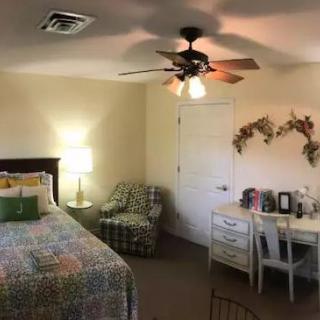
    • Fully furnished Fully furnishedFully furnished senior living communities are important for seniors because they provide convenience, comfort, and a hassle-free moving experience. Seniors can easily settle into their new living space without the stress of having to buy and move furniture. This allows them to focus on enjoying their new home and community.
    • Garden GardenGardens are important for seniors as they provide a peaceful and therapeutic environment for relaxation, physical activity, and socialization. Being in nature has been shown to reduce stress, improve mood, and promote overall well-being. Gardens also offer opportunities for seniors to engage in gardening activities, which can improve mobility, flexibility, and cognitive function. Additionally, gardens create a sense of community and connection with others who share a passion for plants and outdoor spaces.
    • Housekeeping services Housekeeping servicesHousekeeping services are important for seniors because they help maintain a clean and safe living environment, promote independence, and reduce the risk of accidents or illnesses. Additionally, having assistance with household chores can alleviate physical strain and allow seniors to focus on other aspects of their well-being.
    • Kitchenette KitchenetteKitchenettes are important for seniors living in senior living communities because they provide the convenience and independence of being able to prepare simple meals and snacks in the comfort of their own living space. This can help promote a sense of autonomy and well-being for seniors, allowing them to maintain some level of control over their dietary choices and daily routines.
    • Move-in coordination Move-in coordinationMove-in coordination is important for seniors because it helps ease the transition into their new living environment. It ensures that all logistics, such as packing, organizing movers, and setting up utilities are taken care of, allowing seniors to focus on settling in and adjusting to their new home. Having a smooth move-in process can alleviate stress and anxiety, making the transition smoother and more enjoyable for seniors.
    • Outdoor space Outdoor spaceOutdoor spaces are important for seniors as they provide opportunities for physical activity, social interaction, exposure to natural light and fresh air, and a sense of connection to nature. Having access to outdoor spaces can improve overall well-being and quality of life for older adults living in senior communities.
    • Restaurant-style dining Restaurant-style diningRestaurant-style dining is important for seniors because it allows them to enjoy delicious, nutritious meals in a social and upscale setting. This enhances their dining experience, promotes healthy eating habits, and fosters socialization with fellow residents, ultimately contributing to their overall well-being and quality of life.
    • Small library Small librarySmall libraries are important for seniors as they provide access to a variety of reading materials, including books, newspapers, and magazines. This can help stimulate their minds, keep them engaged, and provide a sense of community through book clubs and other social activities. Additionally, reading has been shown to improve cognitive function and overall mental well-being in older adults.
    • Telephone TelephoneTelephones are important for seniors as they provide a lifeline for communication with loved ones, emergency services, and healthcare providers. They offer a sense of security and independence, enabling seniors to stay connected and access assistance when needed.
    • Wi-Fi/high-speed internet available Wi-Fi/high-speed internet availableWi-Fi/high-speed internet is important for seniors to stay connected with loved ones, access online resources, and participate in virtual activities to combat feelings of loneliness and isolation. It also allows them to easily manage healthcare needs, access entertainment, and engage in lifelong learning opportunities.

    Transportation

    • Orlando International (18 miles away) Orlando International (18 miles away)

    Care Services

    • 24-hour call system 24-hour call system24-hour call systems are important for seniors because they provide peace of mind and immediate assistance in case of emergencies. This technology ensures that help is always available, promoting safety and security for elderly individuals living alone or in assisted living facilities.
    • 24-hour supervision 24-hour supervision24-hour supervision is important for seniors to ensure their safety, well-being, and access to immediate assistance in case of emergencies or health issues. This constant support provides peace of mind for both seniors and their loved ones, allowing them to age in place with dignity and security.
    • Activities of daily living assistance Activities of daily living assistanceActivities of daily living assistance are important for seniors because they provide essential support with tasks such as eating, bathing, dressing, and mobility. This assistance helps seniors maintain their independence, dignity, and overall quality of life as they age.
    • Assistance with bathing Assistance with bathingAssistance with bathing is crucial for seniors as it helps maintain personal hygiene, prevents infections, and ensures their overall well-being and comfort. It also provides a sense of dignity and independence for seniors who may struggle with this task on their own.
    • Assistance with dressing Assistance with dressingAssistance with dressing is important for seniors because it helps maintain their independence, promotes personal hygiene, prevents accidents and injuries, and improves overall quality of life. This service ensures that seniors can continue to dress comfortably and confidently, despite any physical limitations they may have.
    • Assistance with transfers Assistance with transfersAssistance with transfers is crucial for seniors as it helps prevent falls and injuries, maintains their independence, and ensures they can safely navigate their living environment. It also provides peace of mind for both seniors and their loved ones.
    • Diabetes diet Diabetes dietA diabetes diet is crucial for seniors as it helps manage blood sugar levels, reduce risks of complications, and improve overall health and well-being. By following a balanced and nutritious diet tailored to their specific needs, seniors can better control their diabetes and enhance their quality of life.
    • Meal preparation and service Meal preparation and serviceMeal preparation and service are crucial for seniors as they may have limited mobility or energy to cook nutritious meals. Having access to healthy and convenient food options can ensure they are getting the proper nutrition needed to maintain their overall health and well-being.
    • Medication management Medication managementMedication management is crucial for seniors to ensure they are taking the right medications at the correct dosages and times. This helps prevent adverse drug interactions, reduces the risk of medication errors, and promotes overall health and well-being. Proactive management also allows for adjustments as needed based on changing health conditions or new prescriptions.
    • Mental wellness program Mental wellness programMental wellness programs are essential for seniors as they promote cognitive stimulation, emotional support, and social engagement. These programs help prevent isolation, depression, and cognitive decline, ultimately enhancing the overall quality of life for older adults.
    • Special dietary restrictions Special dietary restrictionsSpecial dietary restrictions are important for seniors because age-related changes in metabolism and health conditions can make it difficult for their bodies to process certain foods. By following a diet tailored to their specific needs, seniors can maintain their overall health and well-being, manage chronic conditions, and reduce the risk of complications such as malnutrition or food interactions with medications.

    Dining

    • Diabetes diet Diabetes dietA diabetes diet is crucial for seniors as it helps manage blood sugar levels, reduce risks of complications, and improve overall health and well-being. By following a balanced and nutritious diet tailored to their specific needs, seniors can better control their diabetes and enhance their quality of life.
    • Special dietary restrictions Special dietary restrictionsSpecial dietary restrictions are important for seniors because age-related changes in metabolism and health conditions can make it difficult for their bodies to process certain foods. By following a diet tailored to their specific needs, seniors can maintain their overall health and well-being, manage chronic conditions, and reduce the risk of complications such as malnutrition or food interactions with medications.

    Activities

    • Community-sponsored activities Community-sponsored activitiesCommunity-sponsored activities are important for seniors as they provide opportunities for social interaction, mental stimulation, and physical activity. These activities can help improve overall well-being, combat loneliness and isolation, and promote a sense of belonging and purpose among older adults.
    • Resident-run activities Resident-run activitiesResident-run activities are important for seniors as they encourage social interaction, creativity, and a sense of autonomy. These activities empower seniors to stay engaged and active in their community while fostering meaningful connections with their peers.
    • Scheduled daily activities Scheduled daily activitiesScheduled daily activities are important for seniors because they provide structure, socialization, mental stimulation, and physical activity. Engaging in regular activities can improve overall well-being and quality of life for seniors living in a community setting.

    Description

    Greenbriar Retirement Home in Apopka, FL offers respite care for seniors in need of temporary assistance. This warm and welcoming community provides a range of amenities to make residents feel at home, including cable or satellite TV, a spacious dining room, fully furnished accommodations, beautiful outdoor spaces, and access to Wi-Fi/high-speed internet.

    The dedicated staff at Greenbriar Retirement Home is available 24 hours a day to provide supervision and assistance with daily living activities such as bathing, dressing, and transfers. They also offer specialized care for residents with diabetes, ensuring that dietary needs are met. Meal preparation and service are provided to ensure that residents receive delicious and nutritious meals.

    The community places a strong emphasis on mental wellness, offering a variety of programs designed to support the emotional well-being of residents. Medication management services are also available to ensure that medications are taken as prescribed.

    Residents can enjoy a variety of engaging activities led by both staff and fellow residents. These activities cater to individual interests and preferences while promoting social interaction and overall well-being. The community is conveniently located near several cafes, parks, pharmacies, physicians' offices, restaurants, places of worship, theaters, and hospitals.

    At Greenbriar Retirement Home in Apopka, FL, seniors can experience the comforts of home in a caring environment where their needs are met with compassion.

    Nearby Places of Interest

    Places of Worship

    • Orlando Filipino Seventh-Day Adventist Church (0.1 miles)
    • Oak Level Baptist Church (7 miles)
    • Grace Pointe Church (7.3 miles)

    Cafes

    • Starbucks (0.8 miles)
    • Starbucks (1.5 miles)
    • Starbucks (3.8 miles)
    • Panera Bread (6.1 miles)
    • The Glass Knife (6.3 miles)

    Restaurants

    • Chick-Fil-A (1.1 miles)
    • Kiwi's Pub & Grill (1.8 miles)
    • Chipotle Mexican Grill (2 miles)
    • Chick-Fil-A (3.1 miles)
    • Twin Peaks (3.1 miles)
    • McDonald's (3.1 miles)
    • An Tobar (3.6 miles)

    Pharmacies

    • CVS Pharmacy (1.2 miles)
    • CVS Pharmacy (1.5 miles)
    • Winn-Dixie (1.5 miles)
    • CVS Pharmacy (3 miles)
    • CVS Pharmacy (3.1 miles)
    • Walgreens (4.2 miles)
    • Walgreens (4.2 miles)

    Physicians

    • Hunt Club Pediatrics (1.2 miles)
    • Orlando Heart Specialists (2.8 miles)
    • RDV Sportsplex Pediatrics (3 miles)
    • Cabrera, Alicia Neurology of Central Florida (3 miles)
    • Longwood Family Health (3.6 miles)
    • Florida Eye Clinic (4.3 miles)
    • Altamonte Family Practice (4.7 miles)

    Hospitals

    • Adventist Health System (2 miles)
    • AdventHealth Apopka (3.4 miles)
    • Florida Hospital Altamonte (4.4 miles)
    • FH Engineering Services (7.1 miles)
    • Florida Hospital (7.1 miles)
    • Florida Hospital Womens Center (7.2 miles)
    • Florida Hospital- South Campus (7.2 miles)

    Theaters

    • Regal Wekiva Riverwalk (2.1 miles)
    • AMC Altamonte Mall 18 (3.8 miles)
    • Regal Winter Park Village & RPX (6.2 miles)

    Parks

    • Cranes Roost Park (3.7 miles)
    • Wekiwa Springs State Park (3.9 miles)
    • Lake Apopka Wildlife Drive (7 miles)
    • Kelly Park (7.9 miles)

    Transportation

    • Altamonte Springs SunRail Station (5.2 miles)

    Frequently Asked Questions

    Where is Greenbriar Retirement Home?

    Nearby Communities

    Related Resources

    • when to move from assisted living to nursing home8 Key Indicators That Suggest It May Be Time to Transition from Assisted Living to Skilled Nursing Care

      The transition from assisted living to skilled nursing care is often prompted by complex medical needs that assisted living cannot meet, with key indicators including frequent health declines, increased falls, severe memory issues, and caregiver burnout. Families should recognize these signs early to discuss options with healthcare providers and prepare for the emotional and logistical aspects of moving to a facility that offers comprehensive medical support.

    • active senior livingVibrant Senior Living: A Comprehensive Guide for Active Older Adults

      Vibrant Senior Living emphasizes active senior living communities that promote independence and engagement through diverse amenities and activities, fostering wellness and social interaction among older adults. These communities range from independent to assisted living, with a focus on personal growth, family involvement, financial planning, and leveraging technology to enhance residents' experiences.

    • when to move from assisted living to memory careWhen to Transition from Assisted Living to Memory Care: Key Indicators, Steps, and Finding the Right Community

      Transitioning from assisted living to memory care is driven by an individual's cognitive decline and specific needs, requiring careful evaluation of indicators like increased confusion and wandering. The process involves consulting medical professionals, researching suitable communities, considering financial and legal aspects, and ensuring effective communication for personalized care plans.


    Get Pricing Ask A Question Schedule A Tour Contact Senior Advisor