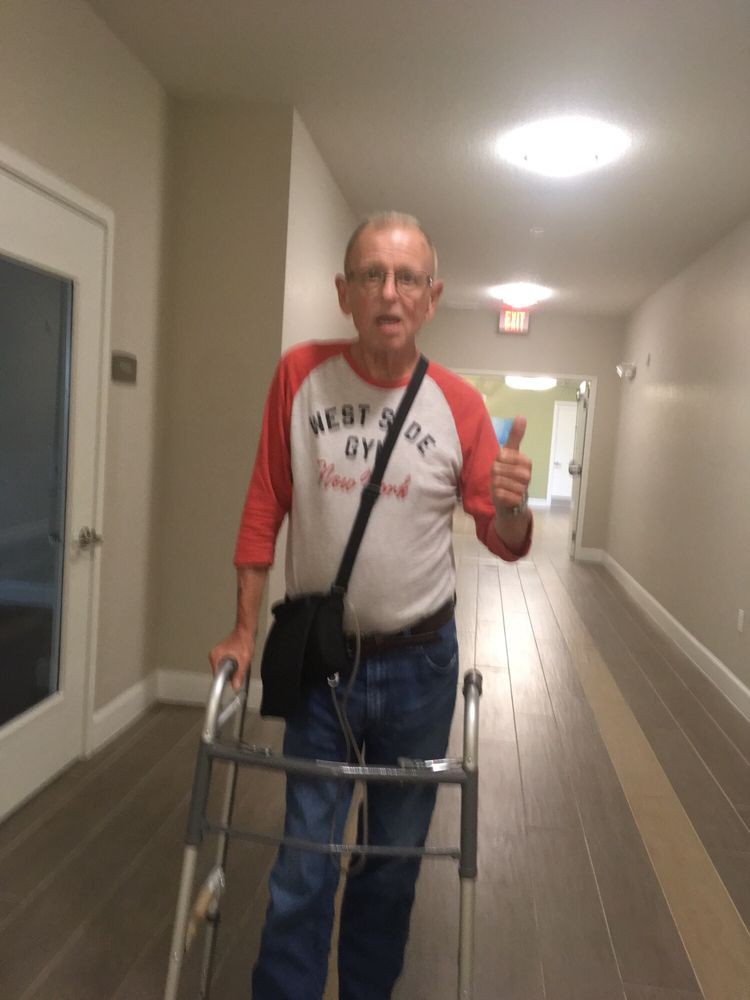
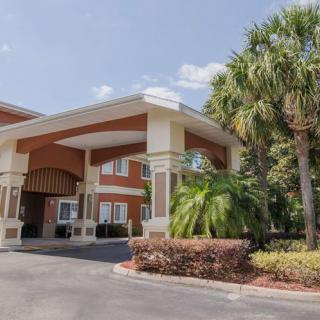
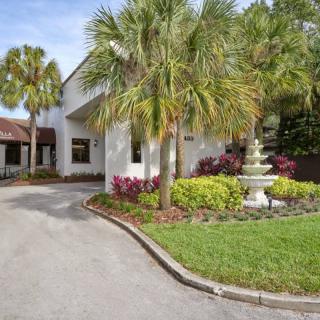
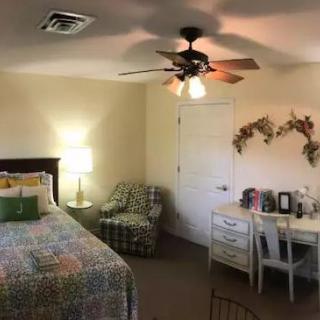
Consulate Health Care of West Altamonte in Altamonte Spgs, FL

Save

Consulate Health Care of West Altamonte in Altamonte Spgs, FL

Information last verified:

1099 W Town Pkwy, Altamonte Spgs, FL 32714

For more information about senior living options: (844) 490-3973

2.7 from 53 reviews
5 stars
19
4 stars
2
3 stars
2
2 stars
3
1 stars
27

Overall Review of Consulate Health Care of West Altamonte

Pros

  • pro The facility helped the mother return home safely, with the staff described as hardworking and caring.
  • pro Miss Schronda and Hope greeted visitors warmly, and the team was cheerful in a clean, friendly environment.
  • pro Therapists were skilled and knowledgeable, and the staff responded to needs with reassurance and encouragement.
  • pro The nurses and caregivers were wonderful, caring, and attentive, and the staff were professional and respectful.
  • pro The facility was praised as clean and odorless, with friendly and inviting staff.
  • pro The meals and therapy provided were good, and residents were happy with the care.
  • pro The staff and doctors were highly praised; the facility was on top of things and highly recommended.
  • pro Residents received excellent care, with quality of life prioritized by the staff.

Cons

  • pro The facility is unsafe, unsanitary, and dangerous due to neglect and poor care.
  • pro The staff clearly do not care about the people they are supposed to care for.
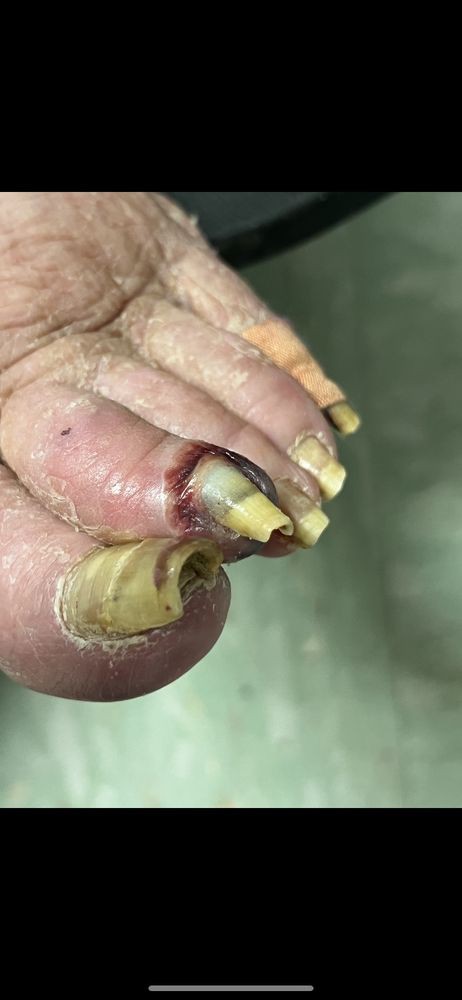
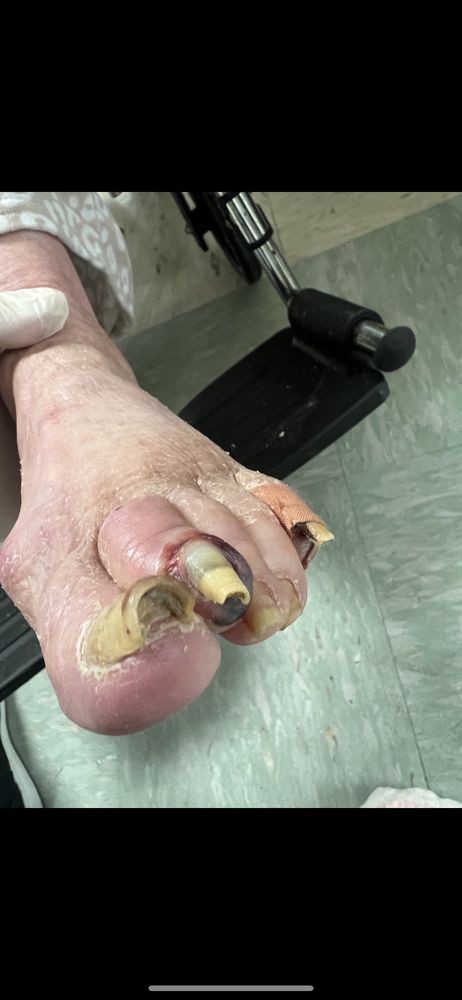
  • pro Patients were not bathed, dressed in dirty clothing, and left in bedding stained with feces.
  • pro Life-saving medications were not returned promptly, which is completely unacceptable.
  • pro The facility is severely understaffed, outdated, and dirty, with food that is often terrible or cold.
  • pro Residents were left in urine for hours and denied basic needs like bedpans; call bells went unanswered.
  • pro A patient died because there were no nurses nearby; avoid this facility at all costs.
  • pro Communication and responsiveness were poor; calls to administration were ignored and staff were rude.

Review

This community is best suited for families pursuing short-term post-acute rehabilitation with the goal of returning home, especially when the primary value lies in strong physical and occupational therapy and a clean, welcoming environment. It works for residents who respond well to structured rehab and for veterans or VA-referred cases where the facility can coordinate therapy services within a rehab-focused plan. Those evaluating options should understand that the upside hinges on active engagement by both staff and family, because the most meaningful gains appear to come from consistent therapy, daily routines, and vigilant oversight. However, it is not a universal fit; if safety, reliability of med administration, and consistently compassionate care without staffing volatility are non-negotiable, alternatives deserve deliberate consideration.

On the positive side, several accounts highlight capable therapy teams and visible progress when residents participate. Therapists are described as knowledgeable, with some patients returning home thanks to focused PT/OT work. Cleanliness and a calm, welcoming initial impression show up in multiple reviews, alongside smiling staff and approachable aides in the right moments. When the atmosphere is authentic and residents feel cared for, families note that meals can be satisfactory and daily activities, such as social programs or entertainment, help keep minds engaged. In short, for a resident who responds well to rehabilitation and enjoys a structured routine, the potential to regain independence is real, provided the care team remains consistently engaged.

Yet the adverse experiences dominate the narrative in a way that cannot be dismissed. Recurrent reports describe dehydration and inadequate hygiene, with patients left without baths or clean clothes for extended periods and rooms that carry odors or appear understaffed. Medication management emerges as a recurring risk, meds misplaced, delayed, or miscommunicated, and families repeatedly describe difficult, sometimes confrontational communication with staff when issues arise. The most serious red flags involve severe neglect episodes, including delayed responses to call lights, unsanitary conditions, and even situations where a patient’s health declined or a life-threatening incident occurred without timely escalation. These accounts are not isolated anecdotes; they span months and point to systemic vulnerabilities in staffing, supervision, and accountability.

The core question for families is whether the valuable rehab and cleanliness can realistically offset the significant safety gaps. For residents whose prognosis depends on steady, attentive medication administration, prompt response to needs, and a reliably calm, well-supervised environment, the balance tips toward caution. When the rehab program is robust and family members can be present to advocate, some positives may mitigate risk; however, the weight of multiple reports of neglect, inconsistent care, and communication breakdowns makes this facility an unpredictable choice. In other words, the strong points explain why some residents do well, but the persistent, well-documented lapses undermine trust in day-to-day safety.

Alternatives deserve explicit consideration for anyone prioritizing consistent safety and dependable caregiving. If a facility’s staffing levels, incident transparency, and responsive administration are non-negotiable, families should compare other options with a much more stringent track record for resident advocacy and fewer reports of neglect or mismanagement. Those with complex medical needs or high fall risks should probe carefully into how med passes are conducted, how quickly staff respond to bells, and how concerns are escalated. A thorough review of state inspections, incident reports, and a candid tour focusing on pandemic-era staffing lessons, while not the center of this assessment, can reveal whether improvements have taken root.

In the end, this community presents a nuanced picture: legitimate rehab potential and a clean, engaging environment exist, but they must be weighed against recurrent concerns about staffing shortages, inconsistent care, and serious safety incidents. Families comfortable with an active, vigilant oversight role and who place a premium on therapy quality may find value here, particularly for short-term recovery goals. Those who cannot tolerate repeated lapses in basic care, medication management, or rapid staff responsiveness should look elsewhere. Before deciding, insist on observing a therapy session, requesting the latest incident and staffing reports, and speaking candidly with the administrator about concrete steps to ensure timely meds, hygiene, and safety for every resident.

Features

Housing

  • 116 resident community capacity 116 resident community capacity

Types of Care

  • Skilled Nursing Facility Skilled Nursing FacilitySkilled Nursing Facilities are crucial for seniors as they provide round-the-clock medical care, rehabilitation services, and assistance with daily activities. These facilities ensure that seniors receive the specialized care they need to maintain their health and well-being as they age.

Amenities

  • Air-conditioning Air-conditioningAir conditioning is important for seniors as they are more vulnerable to heat-related illnesses and may have underlying health conditions that make it difficult for them to regulate their body temperature. It helps to keep them comfortable, safe, and healthy in hot weather.
  • Beauty salon Beauty salonBeauty salons are important for seniors because they provide a space for them to feel pampered, socialize, and maintain their personal grooming and hygiene. Regular visits to a beauty salon can help boost seniors' self-esteem and overall well-being.
  • Cable or satellite TV Cable or satellite TVCable or satellite TV is important for seniors because it provides entertainment, news, and companionship, helping to combat loneliness and boredom. It also offers a wide range of programming options tailored to different interests and preferences.
  • Computer center Computer centerA computer center is essential for seniors as it provides access to technology, communication tools, and resources that can enhance their daily lives. It allows them to stay connected with loved ones, engage in online activities, and learn new skills, ultimately promoting socialization and mental stimulation.
  • Dining room Dining roomDining rooms are important for seniors as they provide a space for socialization, connection, and nutritious meals. They offer opportunities for residents to bond over shared meals, foster a sense of community, and promote healthy eating habits. Dining rooms also ensure that seniors have access to well-balanced meals tailored to their dietary needs and preferences.
  • Fitness room Fitness roomHaving a fitness room in a senior living community is essential for seniors to stay active, maintain their physical health, and improve their overall well-being. Regular exercise can help prevent falls, reduce the risk of chronic diseases, and promote mental sharpness. It also provides social opportunities for residents to connect with others and enjoy a sense of community.
  • Fully furnished Fully furnishedFully furnished senior living communities are important for seniors because they provide convenience, comfort, and a hassle-free moving experience. Seniors can easily settle into their new living space without the stress of having to buy and move furniture. This allows them to focus on enjoying their new home and community.
  • Gaming room Gaming roomGaming rooms are important for seniors as they provide a fun and engaging environment for socializing, cognitive stimulation, and physical activity. Games can improve memory, problem-solving skills, and overall mental well-being while fostering friendships and reducing feelings of isolation.
  • Garden GardenGardens are important for seniors as they provide a peaceful and therapeutic environment for relaxation, physical activity, and socialization. Being in nature has been shown to reduce stress, improve mood, and promote overall well-being. Gardens also offer opportunities for seniors to engage in gardening activities, which can improve mobility, flexibility, and cognitive function. Additionally, gardens create a sense of community and connection with others who share a passion for plants and outdoor spaces.
  • Housekeeping services Housekeeping servicesHousekeeping services are important for seniors because they help maintain a clean and safe living environment, promote independence, and reduce the risk of accidents or illnesses. Additionally, having assistance with household chores can alleviate physical strain and allow seniors to focus on other aspects of their well-being.
  • Kitchenette KitchenetteKitchenettes are important for seniors living in senior living communities because they provide the convenience and independence of being able to prepare simple meals and snacks in the comfort of their own living space. This can help promote a sense of autonomy and well-being for seniors, allowing them to maintain some level of control over their dietary choices and daily routines.
  • Move-in coordination Move-in coordinationMove-in coordination is important for seniors because it helps ease the transition into their new living environment. It ensures that all logistics, such as packing, organizing movers, and setting up utilities are taken care of, allowing seniors to focus on settling in and adjusting to their new home. Having a smooth move-in process can alleviate stress and anxiety, making the transition smoother and more enjoyable for seniors.
  • Outdoor space Outdoor spaceOutdoor spaces are important for seniors as they provide opportunities for physical activity, social interaction, exposure to natural light and fresh air, and a sense of connection to nature. Having access to outdoor spaces can improve overall well-being and quality of life for older adults living in senior communities.
  • Private bathrooms Private bathroomsPrivate bathrooms are important for seniors in senior living communities because they provide independence, dignity, and comfort. Having a private bathroom allows seniors to maintain their personal hygiene routines without the need for assistance, promoting a sense of autonomy and privacy. Additionally, private bathrooms help prevent the spread of infections and provide a safe and clean environment for seniors to navigate safely.
  • Restaurant-style dining Restaurant-style diningRestaurant-style dining is important for seniors because it allows them to enjoy delicious, nutritious meals in a social and upscale setting. This enhances their dining experience, promotes healthy eating habits, and fosters socialization with fellow residents, ultimately contributing to their overall well-being and quality of life.
  • Small library Small librarySmall libraries are important for seniors as they provide access to a variety of reading materials, including books, newspapers, and magazines. This can help stimulate their minds, keep them engaged, and provide a sense of community through book clubs and other social activities. Additionally, reading has been shown to improve cognitive function and overall mental well-being in older adults.
  • Telephone TelephoneTelephones are important for seniors as they provide a lifeline for communication with loved ones, emergency services, and healthcare providers. They offer a sense of security and independence, enabling seniors to stay connected and access assistance when needed.
  • Wellness center Wellness centerWellness centers are important for seniors because they offer a variety of programs and services that promote physical, mental, and emotional well-being. These centers provide opportunities for exercise, socialization, education, and relaxation, helping seniors maintain their overall health and quality of life.
  • Wi-Fi/high-speed internet available Wi-Fi/high-speed internet availableWi-Fi/high-speed internet is important for seniors to stay connected with loved ones, access online resources, and participate in virtual activities to combat feelings of loneliness and isolation. It also allows them to easily manage healthcare needs, access entertainment, and engage in lifelong learning opportunities.

Transportation

  • Orlando International (17 miles away) Orlando International (17 miles away)
  • Community operated transportation Community operated transportationCommunity operated transportation is crucial for seniors as it provides them with the means to access essential services, social activities, and medical appointments. It allows seniors to maintain their independence and quality of life by ensuring they can participate in activities outside of their homes. Additionally, community-operated transportation services offer a safe and reliable way for seniors to travel without having to rely on family or friends for assistance.
  • Transportation arrangement Transportation arrangementTransportation arrangements are crucial for seniors as they may face challenges with driving, mobility, or access to public transportation. Having reliable transportation services ensures that seniors can easily attend appointments, social activities, and maintain their independence and quality of life.
  • Transportation arrangement (non-medical) Transportation arrangement (non-medical)Transportation arrangements are essential for seniors as they provide access to essential services, activities, and social interactions outside the home. This service helps maintain independence, mobility, and overall well-being for seniors who may have limited transportation options.
  • Transportation to doctors appointments Transportation to doctors appointmentsTransportation to doctors appointments is crucial for seniors as it ensures they have access to necessary medical care and support, promoting their health and well-being. It allows them to receive timely treatment, monitor existing conditions, and address any new health concerns efficiently. Additionally, transportation services can help seniors maintain their independence and quality of life by enabling them to stay connected with their healthcare providers.

Care Services

  • 12-16 hour nursing 12-16 hour nursing12-16 hour nursing care is crucial for seniors in order to ensure around-the-clock monitoring, timely medication administration, and prompt response to any health concerns or emergencies. This level of care helps to promote the overall well-being and safety of seniors living in senior living communities.
  • 24-hour call system 24-hour call system24-hour call systems are important for seniors because they provide peace of mind and immediate assistance in case of emergencies. This technology ensures that help is always available, promoting safety and security for elderly individuals living alone or in assisted living facilities.
  • 24-hour supervision 24-hour supervision24-hour supervision is important for seniors to ensure their safety, well-being, and access to immediate assistance in case of emergencies or health issues. This constant support provides peace of mind for both seniors and their loved ones, allowing them to age in place with dignity and security.
  • Activities of daily living assistance Activities of daily living assistanceActivities of daily living assistance are important for seniors because they provide essential support with tasks such as eating, bathing, dressing, and mobility. This assistance helps seniors maintain their independence, dignity, and overall quality of life as they age.
  • Assistance with bathing Assistance with bathingAssistance with bathing is crucial for seniors as it helps maintain personal hygiene, prevents infections, and ensures their overall well-being and comfort. It also provides a sense of dignity and independence for seniors who may struggle with this task on their own.
  • Assistance with dressing Assistance with dressingAssistance with dressing is important for seniors because it helps maintain their independence, promotes personal hygiene, prevents accidents and injuries, and improves overall quality of life. This service ensures that seniors can continue to dress comfortably and confidently, despite any physical limitations they may have.
  • Assistance with transfers Assistance with transfersAssistance with transfers is crucial for seniors as it helps prevent falls and injuries, maintains their independence, and ensures they can safely navigate their living environment. It also provides peace of mind for both seniors and their loved ones.
  • Diabetes diet Diabetes dietA diabetes diet is crucial for seniors as it helps manage blood sugar levels, reduce risks of complications, and improve overall health and well-being. By following a balanced and nutritious diet tailored to their specific needs, seniors can better control their diabetes and enhance their quality of life.
  • Meal preparation and service Meal preparation and serviceMeal preparation and service are crucial for seniors as they may have limited mobility or energy to cook nutritious meals. Having access to healthy and convenient food options can ensure they are getting the proper nutrition needed to maintain their overall health and well-being.
  • Medication management Medication managementMedication management is crucial for seniors to ensure they are taking the right medications at the correct dosages and times. This helps prevent adverse drug interactions, reduces the risk of medication errors, and promotes overall health and well-being. Proactive management also allows for adjustments as needed based on changing health conditions or new prescriptions.
  • Mental wellness program Mental wellness programMental wellness programs are essential for seniors as they promote cognitive stimulation, emotional support, and social engagement. These programs help prevent isolation, depression, and cognitive decline, ultimately enhancing the overall quality of life for older adults.
  • Special dietary restrictions Special dietary restrictionsSpecial dietary restrictions are important for seniors because age-related changes in metabolism and health conditions can make it difficult for their bodies to process certain foods. By following a diet tailored to their specific needs, seniors can maintain their overall health and well-being, manage chronic conditions, and reduce the risk of complications such as malnutrition or food interactions with medications.

Dining

  • Diabetes diet Diabetes dietA diabetes diet is crucial for seniors as it helps manage blood sugar levels, reduce risks of complications, and improve overall health and well-being. By following a balanced and nutritious diet tailored to their specific needs, seniors can better control their diabetes and enhance their quality of life.
  • Special dietary restrictions Special dietary restrictionsSpecial dietary restrictions are important for seniors because age-related changes in metabolism and health conditions can make it difficult for their bodies to process certain foods. By following a diet tailored to their specific needs, seniors can maintain their overall health and well-being, manage chronic conditions, and reduce the risk of complications such as malnutrition or food interactions with medications.

Activities

  • Community-sponsored activities Community-sponsored activitiesCommunity-sponsored activities are important for seniors as they provide opportunities for social interaction, mental stimulation, and physical activity. These activities can help improve overall well-being, combat loneliness and isolation, and promote a sense of belonging and purpose among older adults.
  • Concierge services Concierge servicesConcierge services are essential for seniors as they provide assistance with daily tasks and errands, enhance their quality of life by offering convenience and personalized care, and promote a sense of safety and security.
  • Fitness programs Fitness programsFitness programs are crucial for seniors as they help improve strength, flexibility, balance, and overall well-being. Staying active can reduce the risk of chronic diseases, improve mental health, and enhance quality of life in older adults.
  • Planned day trips Planned day tripsPlanned day trips are important for seniors because they offer opportunities for socialization, mental stimulation, and physical activity. They provide a change of scenery and help seniors stay engaged and connected to their community, promoting overall well-being and quality of life.
  • Resident-run activities Resident-run activitiesResident-run activities are important for seniors as they encourage social interaction, creativity, and a sense of autonomy. These activities empower seniors to stay engaged and active in their community while fostering meaningful connections with their peers.
  • Scheduled daily activities Scheduled daily activitiesScheduled daily activities are important for seniors because they provide structure, socialization, mental stimulation, and physical activity. Engaging in regular activities can improve overall well-being and quality of life for seniors living in a community setting.

Description

Consulate Health Care of West Altamonte in Altamonte Springs, FL is a vibrant assisted living community nestled in a convenient location. With three cafes nearby, residents have plenty of options for enjoying a cup of coffee or a quick bite to eat with friends or family.

Nature enthusiasts will appreciate the two parks close by, offering serene surroundings and opportunities for leisurely strolls and outdoor activities. The proximity of ten pharmacies ensures that residents have easy access to their medication needs and healthcare supplies.

For any medical concerns, nine physicians are located nearby, providing prompt and accessible healthcare services to the residents. Additionally, the presence of three hospitals in the area offers peace of mind knowing that urgent medical care is readily available if needed.

Residents can enjoy diverse dining experiences at the twelve restaurants nearby, catering to different tastes and preferences. Transportation options are available for those who want to explore the surrounding areas or attend appointments without inconveniences.

The community's commitment to spiritual well-being is reflected in the presence of a place of worship nearby, allowing residents to nurture their religious beliefs with ease. Furthermore, cultural enthusiasts can indulge in entertainment at the two theaters situated closely.

Consulate Health Care of West Altamonte reflects a thriving senior living experience where residents can engage in various activities within and around their community. The abundance of amenities and services ensure that residents can lead fulfilling lives while receiving quality care and enjoying everything Altamonte Springs has to offer.

Nearby Places of Interest

Altamonte Springs, Florida is a vibrant and convenient area for senior living, offering a variety of amenities within close proximity. With several pharmacies such as CVS and Walgreens nearby, accessing medication and healthcare services is easily manageable. There are also numerous dining options ranging from casual eateries like Chick-Fil-A to more upscale restaurants like Twin Peaks, providing plenty of choices for dining out. Additionally, there are places of worship such as the Orlando Filipino Seventh-Day Adventist Church for spiritual needs. For leisure and recreation, parks like Cranes Roost Park and Wekiwa Springs State Park offer opportunities for outdoor activities and relaxation. The area also has reputable medical facilities including Adventist Health System and Florida Hospital Altamonte, as well as physicians specializing in various fields. For entertainment, theaters like AMC Altamonte Mall 18 are accessible for movie buffs. Transportation options include the Altamonte Springs SunRail Station for easy access to public transit. Overall, this part of Altamonte Springs provides seniors with a convenient and active lifestyle in a pleasant community setting.

Pharmacies

  • CVS Pharmacy (0.5 miles)
  • Winn-Dixie (0.7 miles)
  • CVS Pharmacy (1.6 miles)
  • CVS Pharmacy (2 miles)
  • CVS Pharmacy (2.4 miles)
  • Walgreens (3.7 miles)
  • Walgreens (4.5 miles)

Restaurants

  • Kiwi's Pub & Grill (0.8 miles)
  • Chick-Fil-A (1.9 miles)
  • Chick-Fil-A (2 miles)
  • Twin Peaks (2.1 miles)
  • McDonald's (2.1 miles)
  • An Tobar (2.8 miles)
  • Chipotle Mexican Grill (2.8 miles)

Places of Worship

  • Orlando Filipino Seventh-Day Adventist Church (1.1 miles)
  • Oak Level Baptist Church (7.9 miles)

Cafes

  • Starbucks (1.2 miles)
  • Starbucks (2.5 miles)
  • Starbucks (2.8 miles)
  • The Glass Knife (5.7 miles)
  • Panera Bread (7 miles)
  • Starbucks (8 miles)

Hospitals

  • Adventist Health System (1.4 miles)
  • Florida Hospital Altamonte (3.4 miles)
  • AdventHealth Apopka (4.4 miles)
  • FH Engineering Services (6.7 miles)
  • Florida Hospital (6.7 miles)
  • Florida Hospital Womens Center (6.7 miles)
  • Florida Hospital- South Campus (6.7 miles)

Physicians

  • Hunt Club Pediatrics (1.7 miles)
  • Orlando Heart Specialists (1.9 miles)
  • Cabrera, Alicia Neurology of Central Florida (2 miles)
  • RDV Sportsplex Pediatrics (2.3 miles)
  • Longwood Family Health (2.6 miles)
  • Florida Eye Clinic (3.3 miles)
  • Altamonte Family Practice (3.7 miles)

Parks

  • Cranes Roost Park (2.7 miles)
  • Wekiwa Springs State Park (4.2 miles)
  • Blue Jacket Park (7.8 miles)
  • Lake Apopka Wildlife Drive (8 miles)

Theaters

  • AMC Altamonte Mall 18 (2.8 miles)
  • Regal Wekiva Riverwalk (2.9 miles)
  • Regal Winter Park Village & RPX (5.6 miles)

Transportation

  • Altamonte Springs SunRail Station (4.2 miles)

Frequently Asked Questions

Where is Consulate Health Care of West Altamonte?
What photos are available for Consulate Health Care of West Altamonte in Altamonte Spgs, Florida?

Nearby Communities

  • Greenbriar Retirement

    Greenbriar Retirement

    Apopka, FL

    2.7 from 10 reviews
     

    pro Combined independent/assisted living with diabetic care and on-site activities; convenient access to shops and medical facilities.



  • Greenbriar Retirement Home

    Greenbriar Retirement Home

    Apopka, FL

    2.6 from 9 reviews
     

    pro 24/7 supervision with daily living assistance and diabetes-friendly meals.

  • Bear Lake Retirement Home

    Bear Lake Retirement Home

    Apopka, FL

    4.2 from 6 reviews
     

    pro Family-like atmosphere with attentive staff and home-style meals.

  • Florida Living Retirement

    Florida Living Retirement

    Apopka, FL


    pro Strong central location with abundant nearby amenities (cafes, parks, pharmacies, restaurants, theaters, hospitals).

  • All Stars Assisted Living

    All Stars Assisted Living

    Altamonte Springs, FL

    4.8 from 12 reviews
    $4,100 / month

    pro Intimate setting with 24-hour supervision, personalized care, and a full range of on-site amenities.

  • Brookdale Altamonte Springs

    Brookdale Altamonte Springs

    Altamonte Springs, FL

    4.2 from 89 reviews
    $1,895 to $6,000 / month

    pro Friendly, caring staff in a clean, homely setting with engaging activities.

  • Village on the Green a CCRC

    Village on the Green a CCRC

    Longwood, FL

    3.6 from 138 reviews
    $3,859 to $5,144 / month

    pro Modern, well-maintained independent living with engaging activities and pleasant grounds.

  • Grand Villa of Altamonte Springs

    Grand Villa of Altamonte Springs

    Altamonte Springs, FL

    4.6 from 290 reviews
    $2,395 to $3,895 / month

    pro Welcoming, home-like atmosphere with friendly staff, strong community and engaging activities.

  • Ambiance at Maitland

    Ambiance at Maitland

    Maitland, FL

    4.2 from 75 reviews
    $3,550 to $4,500 / month

    pro Friendly staff and clean, comfortable environment.

Related Resources

  • skilled nursing facility vs nursing homeSkilled Nursing Facilities vs. Nursing Homes: Making Sense of the Differences

    Skilled nursing facilities (SNFs) provide high-level medical care and rehabilitation for short-term recovery, typically covered by Medicare after hospitalization, while nursing homes focus on ongoing custodial care for chronic conditions, mainly funded by Medicaid or private payments. The staffing and regulatory structures differ significantly between the two, necessitating clarity for families in choosing appropriate long-term care options.

  • nursing home costsA Detailed Examination of Nursing Home Costs Across the U.S.
    Nursing home care costs in the U.S. vary significantly based on location, level of care, and amenities, with private room prices ranging from approximately $6,700 to over $30,000 monthly. Families need to explore various payment options and conduct thorough research to manage these expenses effectively.

  • non medical home careExploring Nonmedical Home Care: Understanding Services, Costs, and Financial Approaches
    Nonmedical home care provides assistance with daily activities and companionship for individuals wishing to maintain independence and quality of life at home, without medical intervention. Its growing popularity is driven by an aging population, the need for supportive environments for recovery, and the emotional benefits of caregiver companionship, while costs vary based on service frequency and location.