
4923 Ogletown-Stanton Road, Newark, DE 19713
To contact a resident: (302) 998-7568
For more information about senior living options: (866) 208-4318
Overall Review of Fresenius Medical Care Brandywine Home Therap
Cons
 They are completely incompetent.
- They don’t know what they are doing.
- All they care about is a paycheck.
- They are very unreliable and unprofessional.
- They call patients in for no reason, only to demand another visit two days later for an appointment they just made up.
- The staff is very unprofessional and yells and shouts at each other, sometimes about inappropriate things.
- They have patients come in numerous times a week for no reason.
- This place will do nothing to make anyone better and will waste a lot of time.
Review
This community is best suited for dialysis patients who want to pursue home-therapy options and have a capable family member or caregiver to actively manage appointments, paperwork, and supply coordination. The Newark, Delaware location leans into the home-dialysis model, promising access to resources from a major provider. The fit hinges on tolerance for a heavy administrative rhythm, frequent in-person touches, and the kind of advocacy required to keep care aligned with a patient’s plan. Success here depends less on bedside technique and more on whether a responsible advocate can oversee scheduling, billing, and training without letting concerns slip through the cracks.
Explicitly, those who require consistent reliability, professional demeanor, and straightforward communications should consider alternatives. Families that cannot tolerate repeated trips, last-minute changes, or staff interactions that feel chaotic will struggle to derive value here. If courteous, respectful treatment and clear accountability matter, it makes sense to explore other options where patient voices are more consistently acknowledged and where schedules are kept with predictable regularity. A strong home-therapy program is valuable, but not at the cost of repeated friction and wasted trips.
On the upside, the center’s affiliation with a large, specialized provider suggests access to home-therapy capabilities and the potential for standardized procedures. That structure can be a real asset when operations run smoothly. Yet the most consistent through-line in the feedback is a pattern of incompetence and unreliability that undermines any perceived benefits. Reports of mismanagement, an apparent emphasis on payments over patient needs, and a culture where staff communication is loud and unprofessional create a risky care environment. When the core services are compromised by these issues, the limited advantages, if any exist, do not offset the risk of missed appointments, misfiled orders, or chaotic clinic days.
For families choosing to pursue care at this center, a disciplined, hands-on approach will be essential. Demand written, itemized appointment plans and confirmations for every visit; maintain a personal log of test results, supply orders, and transportation details; designate a patient advocate who can escalate concerns to leadership and keep issues tracked. Insist on direct contact with a supervisor or clinical lead when problems arise, and document every miscommunication. If a pattern of missed, invented, or duplicated visits emerges, prepare to escalate promptly to the health-system administrator. Guardrails and rapid escalation are not optional here.
Alternatives deserve serious consideration. Other Newark-area options may offer more reliable scheduling, calmer office dynamics, and staff who communicate without shouting or blame. Prospective clients should seek centers with transparent patient feedback corroborated by multiple reviews, and talk with current patients about day-to-day experiences. For families open to home dialysis, exploring providers with robust training, dependable equipment delivery, and documented quality metrics can yield meaningful improvements in both safety and peace of mind.
Bottom line: this community presents a high risk if a dependable, respectful, and predictable care experience is non-negotiable. It may fit scenarios where a highly engaged advocate can keep everything on track and the patient is comfortable with frequent administrative interactions. For most families, alternatives are wiser, ones that align with clear expectations, consistent scheduling, and professional conduct. A careful comparison of actual experiences, conversations with current patients, and verification of appointment reliability should guide the final decision.
 New Castle County (3 miles away)
 Spacious, well-organized apartments with a welcoming staff and engaging activities.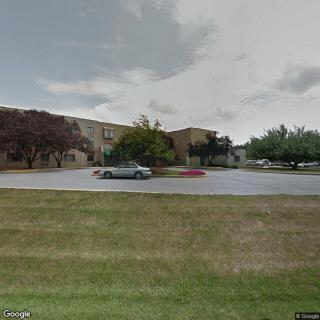




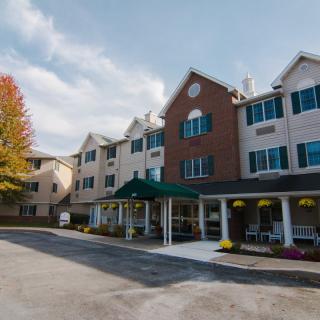
 Comprehensive Exploration of Living Wills and Other Advance Directives
 A Detailed Exploration of Living Wills and Advance Directives
 Comprehensive Guide to Medicare Coverage for Hospice Care