Premier Care Of Woodbury

280 Middle Road Turnpike, Woodbury, CT 06798

For more information about senior living options: (844) 490-3973

3.5 from 13 reviews
5 stars
8
4 stars
0
3 stars
0
2 stars
0
1 stars
5

Assisted Living Board and Care Home

Premier Care Of Woodbury Costs & Pricing

Premier Care of Woodbury offers private accommodations at a monthly rate of $3,800, which positions it competitively within Litchfield County where the average cost for similar services is slightly lower at $3,779. However, when compared to the broader Connecticut market, Premier Care stands out as a more affordable option given that the state-wide average for private room care reaches $5,479. This pricing structure underscores Premier Care's commitment to providing quality service while maintaining accessibility for families seeking personalized care in a more manageable financial framework.

Floor plansPremier Care Of WoodburyLitchfield CountyConnecticut
Private$3,800$3,779$5,479

What level of care are you interested in?

Assisted Living

Memory Care

Independent Living

Skilled Nursing Facility

Continuing Care Retirement Community (CCRC)CCRC

Other


Request a tour at Premier Care Of Woodbury

    Overall Review of Premier Care Of Woodbury

    Pros

    • pro They have done an excellent job as far as placement and really listened carefully to their needs.
    • pro Their caregivers are kind, very well selected and trained.
    • pro They only have the best care for your loved ones.
    • pro The second woman was really a great person.
    • pro They are professional, engaging, caring, and true to their motto.

    Cons

    • pro The reviewer claims the company should be investigated.
    • pro The agency repeatedly sent caregivers who were worse than the previous ones.
    • pro The fill-in caregiver ignored the mother's pleas for help and did not call 911 or notify family.
    • pro The caregiver left the mother sitting in feces and vomit for over 12 hours.
    • pro The reviewer would never recommend this company to anyone.
    • pro The office administration is described as unresponsive and focused on a paycheck rather than client care.
    • pro A caregiver sent could not operate the hoyer lift, was dirty, and gave the wrong medications.
    • pro The agency pulled a caregiver after a while, leaving the grandmother without care for two days.
    • pro The reviewer alleged discriminatory practices, suggesting aides were sent based on race.

    Review

    Experiences with this home-care provider run the gamut from deeply troubling safety concerns to glowing testimonials about attentive staff and thoughtful coordination. On one end of the spectrum, a family recounted a harrowing experience in which they questioned whether the agency should even be in operation. They had used the service for less than a year and felt stung by a revolving door of caregivers who never seemed to be a good fit. The most alarming incident involved a fill-in caregiver who allegedly ignored their mother's cries for help to contact 911 or family members. The caregiver reportedly walked around the house, paying no attention to urgent signals, and only left when her Uber arrived. The family says their security cameras captured the neglect, and by the time their mother reached the emergency room, doctors indicated she should have been taken in the night before. The caregiver is said to have allowed the mother to sit in feces and vomit for more than 12 hours, and there was frustration that no 911 call or family alert was made. In their view, this poor care was not an isolated incident but a pattern that undermined trust and safety. They concluded by urging others to stay away from the company and suggested that better options exist.

    In stark contrast, several families shared overwhelmingly positive experiences that painted the agency in a favorable light. One family described more than a year of satisfactory service for their grandmother, praising ongoing weekly check-ins that ask how the care is going and what more can be done. They noted the agency's policy of actively trying to arrange replacements when a caregiver has an emergency or takes a day off, which they found commendable - although they also acknowledged that weekends could be a challenge when someone calls out and their loved one is left without care. A caregiver named Ermina (or Armina, as some reviews spell it) stood out as especially compassionate and consistently available to address concerns, reinforcing a sense of dependable, human-centered care.

    Other positive voices highlighted sustained, long-term satisfaction. One reviewer stated simply but emphatically that premium elderly care had been a source of dependable support for their mother for about two years, calling the agency the best they had seen. They described the caregivers as kind and well-selected, trained, and focused on delivering high-quality care. Another family recounted having a wonderful live-in arrangement for a 103-year-old mother, praising the placement process for listening carefully to their needs and expressing unwavering willingness to recommend the agency to others seeking reliable elder care. The sentiment across these reviews was that the agency could connect families with caregivers who genuinely cared and aligned with their expectations.

    Several reviews singled out specific staff members who personified the agency's positive posture. A recurring name - Armina/Ermina - appeared as a reliable touchpoint who checks in weekly, demonstrates compassion, and offers honest, helpful guidance. This person's presence seemed to symbolize the best of what the agency offered: a steady line of communication, a sense of accountability, and a commitment to responding to concerns. The overall tone of these messages was one of gratitude for the care coordination and for staff who could be both professional and empathetic, reinforcing a sense of assurance during a vulnerable period for families.

    Yet not all narratives converged on the same experience. A different set of reviews focused on serious procedural and cultural concerns. One reviewer urged others not to use the company for their loved ones, recounting a cascade of failures - from a caregiver who did not know how to operate essential equipment like a hoyer lift, to cleanliness issues, and to a perceived mismatch in caregiving abilities. The same account asserted that other caregivers who were briefly introduced did not know the hoyer lift either, and that ultimately the company pulled a caregiver from the assignment, leaving the grandmother without care for two days. The reviewer accused the agency of putting paycheck concerns ahead of client welfare and criticized the office administration as ineffective, singling out a staff member (Darlene) for particularly negative treatment. The narrative concluded with a harsh condemnation of the agency's ethics and competence.

    Another strongly negative account described a failed initial attempt to match an aide with the family's needs. The reviewer claimed that the agency sent an aide who was African and did not speak English well, gave wrong medications that were clearly marked, and left the home in a dirty state with insufficient cleaning. Complaints from the patient's visiting nurse and physical therapist about the care provided by this aide were noted, and when the family attempted to inform the agency of these inadequacies, they felt ignored - especially by a worker named Darlene. The reviewer ultimately severed ties with the agency and criticized it for racist undertones, explicitly suggesting that the company favored non-Caucasian clients in a discriminatory way. This account painted a picture of systemic problems, from communication failures to perceived prejudice, that undermined trust and safety.

    Taken together, these reviews reveal a landscape of highly variable experiences with the agency. For some families, the company delivers dependable, compassionate care with steady oversight, thoughtful caregiver placement, and proactive communication that helps families feel supported. The positive stories emphasize consistent follow-up, willingness to replace caregivers when needed, and a strong showing of staff members who demonstrate empathy and professionalism. For others, however, the same organization appears to fall short in crucial areas: safety, responsiveness, and quality of care. Specific incidents of neglect or near-neglect, miscommunication about caregiving capabilities, concerns about staff training for essential medical equipment, and contentious interactions with office staff contribute to a sense of distrust and fear.

    Whether a family experiences excellence or alarmingly poor service may hinge on factors such as caregiver compatibility, the diligence of care coordinators, and the agency's responsiveness to urgent concerns. The recurring thread of praise for Armina/Ermina suggests that strong, attentive coordinators can make a meaningful difference in the experience of care. Conversely, the recurring references to ignored calls, delays in emergency response, and administrative dissatisfaction underscore the critical need for reliable protocols, ongoing training, and accountability. For anyone considering this agency, these narratives underscore the importance of careful vetting, in-depth interviews with potential caregivers, clear escalation procedures for emergencies, and a transparent plan for weekend and holiday coverage.

    Features

    Housing

    • 22 resident community capacity 22 resident community capacity

    Types of Care

    • Assisted Living Assisted LivingAssisted living facilities provide crucial support and care for seniors who may need help with daily tasks such as medication management, bathing, and meal preparation. These communities offer a safe and comfortable environment where seniors can maintain their independence while receiving the assistance they need to thrive in their golden years.
    • Board and Care Home Board and Care HomeBoard and care homes provide a smaller, more intimate setting for seniors who require assistance with daily tasks but do not need the level of care offered by a nursing home. They offer personalized care, meals, and social activities in a homelike environment, ensuring that seniors receive individualized attention and support in their golden years.

    Amenities

    • Beauty salon Beauty salonBeauty salons are important for seniors because they provide a space for them to feel pampered, socialize, and maintain their personal grooming and hygiene. Regular visits to a beauty salon can help boost seniors' self-esteem and overall well-being.
    • Cable or satellite TV Cable or satellite TVCable or satellite TV is important for seniors because it provides entertainment, news, and companionship, helping to combat loneliness and boredom. It also offers a wide range of programming options tailored to different interests and preferences.
    • Dining room Dining roomDining rooms are important for seniors as they provide a space for socialization, connection, and nutritious meals. They offer opportunities for residents to bond over shared meals, foster a sense of community, and promote healthy eating habits. Dining rooms also ensure that seniors have access to well-balanced meals tailored to their dietary needs and preferences.
    • Fully furnished Fully furnishedFully furnished senior living communities are important for seniors because they provide convenience, comfort, and a hassle-free moving experience. Seniors can easily settle into their new living space without the stress of having to buy and move furniture. This allows them to focus on enjoying their new home and community.
    • Garden GardenGardens are important for seniors as they provide a peaceful and therapeutic environment for relaxation, physical activity, and socialization. Being in nature has been shown to reduce stress, improve mood, and promote overall well-being. Gardens also offer opportunities for seniors to engage in gardening activities, which can improve mobility, flexibility, and cognitive function. Additionally, gardens create a sense of community and connection with others who share a passion for plants and outdoor spaces.
    • Housekeeping services Housekeeping servicesHousekeeping services are important for seniors because they help maintain a clean and safe living environment, promote independence, and reduce the risk of accidents or illnesses. Additionally, having assistance with household chores can alleviate physical strain and allow seniors to focus on other aspects of their well-being.
    • Kitchenette KitchenetteKitchenettes are important for seniors living in senior living communities because they provide the convenience and independence of being able to prepare simple meals and snacks in the comfort of their own living space. This can help promote a sense of autonomy and well-being for seniors, allowing them to maintain some level of control over their dietary choices and daily routines.
    • Move-in coordination Move-in coordinationMove-in coordination is important for seniors because it helps ease the transition into their new living environment. It ensures that all logistics, such as packing, organizing movers, and setting up utilities are taken care of, allowing seniors to focus on settling in and adjusting to their new home. Having a smooth move-in process can alleviate stress and anxiety, making the transition smoother and more enjoyable for seniors.
    • Outdoor space Outdoor spaceOutdoor spaces are important for seniors as they provide opportunities for physical activity, social interaction, exposure to natural light and fresh air, and a sense of connection to nature. Having access to outdoor spaces can improve overall well-being and quality of life for older adults living in senior communities.
    • Private PrivatePrivacy is important for seniors as it allows them to maintain their independence, dignity, and sense of control over their own lives. It also gives them the space and freedom to relax, reflect, and engage in activities that bring them joy and fulfillment. Creating private spaces within senior living facilities is crucial for promoting overall well-being and quality of life.
    • Telephone TelephoneTelephones are important for seniors as they provide a lifeline for communication with loved ones, emergency services, and healthcare providers. They offer a sense of security and independence, enabling seniors to stay connected and access assistance when needed.
    • Wi-Fi/high-speed internet available Wi-Fi/high-speed internet availableWi-Fi/high-speed internet is important for seniors to stay connected with loved ones, access online resources, and participate in virtual activities to combat feelings of loneliness and isolation. It also allows them to easily manage healthcare needs, access entertainment, and engage in lifelong learning opportunities.

    Care Services

    • 24-hour call system 24-hour call system24-hour call systems are important for seniors because they provide peace of mind and immediate assistance in case of emergencies. This technology ensures that help is always available, promoting safety and security for elderly individuals living alone or in assisted living facilities.
    • 24-hour supervision 24-hour supervision24-hour supervision is important for seniors to ensure their safety, well-being, and access to immediate assistance in case of emergencies or health issues. This constant support provides peace of mind for both seniors and their loved ones, allowing them to age in place with dignity and security.
    • Activities of daily living assistance Activities of daily living assistanceActivities of daily living assistance are important for seniors because they provide essential support with tasks such as eating, bathing, dressing, and mobility. This assistance helps seniors maintain their independence, dignity, and overall quality of life as they age.
    • Assistance with bathing Assistance with bathingAssistance with bathing is crucial for seniors as it helps maintain personal hygiene, prevents infections, and ensures their overall well-being and comfort. It also provides a sense of dignity and independence for seniors who may struggle with this task on their own.
    • Assistance with dressing Assistance with dressingAssistance with dressing is important for seniors because it helps maintain their independence, promotes personal hygiene, prevents accidents and injuries, and improves overall quality of life. This service ensures that seniors can continue to dress comfortably and confidently, despite any physical limitations they may have.
    • Assistance with transfers Assistance with transfersAssistance with transfers is crucial for seniors as it helps prevent falls and injuries, maintains their independence, and ensures they can safely navigate their living environment. It also provides peace of mind for both seniors and their loved ones.
    • Coordination with health care providers Coordination with health care providersCoordination with health care providers is crucial for seniors to ensure proper medical care, medication management, and overall well-being. This collaboration helps prevent overlapping treatments, track progress more effectively, and provide comprehensive support tailored to individual needs.
    • Diabetes diet Diabetes dietA diabetes diet is crucial for seniors as it helps manage blood sugar levels, reduce risks of complications, and improve overall health and well-being. By following a balanced and nutritious diet tailored to their specific needs, seniors can better control their diabetes and enhance their quality of life.
    • Diabetic care Diabetic careDiabetic care is crucial for seniors as they are more susceptible to developing diabetes due to aging and other health conditions. Proper management of diabetes can help prevent complications such as heart disease, vision loss, and nerve damage, improving the overall quality of life for seniors in senior living communities.
    • Meal preparation and service Meal preparation and serviceMeal preparation and service are crucial for seniors as they may have limited mobility or energy to cook nutritious meals. Having access to healthy and convenient food options can ensure they are getting the proper nutrition needed to maintain their overall health and well-being.
    • Medication management Medication managementMedication management is crucial for seniors to ensure they are taking the right medications at the correct dosages and times. This helps prevent adverse drug interactions, reduces the risk of medication errors, and promotes overall health and well-being. Proactive management also allows for adjustments as needed based on changing health conditions or new prescriptions.
    • Mental wellness program Mental wellness programMental wellness programs are essential for seniors as they promote cognitive stimulation, emotional support, and social engagement. These programs help prevent isolation, depression, and cognitive decline, ultimately enhancing the overall quality of life for older adults.
    • Special dietary restrictions Special dietary restrictionsSpecial dietary restrictions are important for seniors because age-related changes in metabolism and health conditions can make it difficult for their bodies to process certain foods. By following a diet tailored to their specific needs, seniors can maintain their overall health and well-being, manage chronic conditions, and reduce the risk of complications such as malnutrition or food interactions with medications.
    • Transportation arrangement (medical) Transportation arrangement (medical)Transportation arrangements for medical purposes are essential for seniors as they may have difficulty driving themselves to appointments or accessing public transportation. Having reliable and safe transportation options ensures that seniors can receive timely medical care and maintain their health and well-being.
    • Transportation to doctors appointments Transportation to doctors appointmentsTransportation to doctors' appointments is crucial for seniors as it ensures they have access to necessary medical care and support for their health needs. Without reliable transportation, seniors may struggle to attend important appointments, leading to potential delays in treatment and health complications. Providing transportation services helps seniors maintain their overall well-being and quality of life.

    Dining

    • Diabetes diet Diabetes dietA diabetes diet is crucial for seniors as it helps manage blood sugar levels, reduce risks of complications, and improve overall health and well-being. By following a balanced and nutritious diet tailored to their specific needs, seniors can better control their diabetes and enhance their quality of life.
    • Special dietary restrictions Special dietary restrictionsSpecial dietary restrictions are important for seniors because age-related changes in metabolism and health conditions can make it difficult for their bodies to process certain foods. By following a diet tailored to their specific needs, seniors can maintain their overall health and well-being, manage chronic conditions, and reduce the risk of complications such as malnutrition or food interactions with medications.

    Activities

    • Community-sponsored activities Community-sponsored activitiesCommunity-sponsored activities are important for seniors as they provide opportunities for social interaction, mental stimulation, and physical activity. These activities can help improve overall well-being, combat loneliness and isolation, and promote a sense of belonging and purpose among older adults.
    • Scheduled daily activities Scheduled daily activitiesScheduled daily activities are important for seniors because they provide structure, socialization, mental stimulation, and physical activity. Engaging in regular activities can improve overall well-being and quality of life for seniors living in a community setting.

    Description

    Premier Care of Woodbury is an exceptional assisted living community located in Woodbury, CT. Our board and care home offers a comfortable and nurturing environment for seniors who require assistance with their daily living activities.

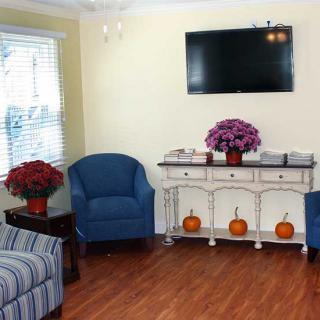
    Our residents enjoy a range of amenities to ensure their comfort and well-being. Each room is fully furnished and includes cable or satellite TV, a telephone, and Wi-Fi/high-speed internet access. Our communal areas are thoughtfully designed and include a dining room where delicious meals are served, as well as outdoor spaces where residents can relax and enjoy the beautiful garden.

    At Premier Care of Woodbury, we provide 24-hour supervision to ensure the safety and security of our residents. Our dedicated caregivers are trained to assist with activities of daily living such as bathing, dressing, and transfers. We also offer medication management services to ensure that each resident's medication needs are met.

    We understand the importance of maintaining physical health, which is why we coordinate with healthcare providers to meet any specific medical needs our residents may have. This includes diabetes care and offering specialized diets for those with dietary restrictions. Additionally, we provide transportation arrangements for medical appointments.

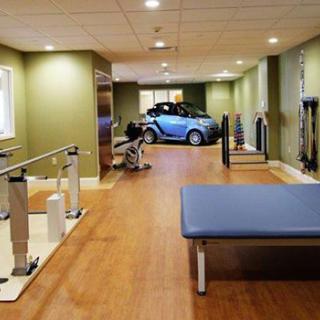
    We believe in promoting mental wellness along with physical health. That's why we offer a mental wellness program that focuses on engaging activities to stimulate the mind and encourage social interaction among our residents. We also organize scheduled daily activities to keep our residents active and engaged.

    Conveniently located near parks, pharmacies, physicians' offices, and restaurants, Premier Care of Woodbury ensures that our residents have easy access to essential services in the local area.

    We invite you to visit Premier Care of Woodbury so you can experience firsthand the warm and caring environment we provide for our residents.

    Nearby Places of Interest

    Pharmacies

    • Canfield Corner Pharmacy (1.4 miles)
    • CVS Pharmacy (5.1 miles)
    • Towne Apothecary (5.4 miles)
    • CVS Pharmacy (6.1 miles)
    • CVS Pharmacy (6.1 miles)
    • Walgreens (6.7 miles)
    • Saint Mary's Hospital, Inpatient Pharmacy (7.4 miles)

    Parks

    • Hollow Park (2.2 miles)
    • Bucks Hill Park (8.5 miles)
    • Plymouth Green (11.4 miles)
    • Lovers Leap State Park (11.6 miles)
    • Creative Playground (11.9 miles)
    • Youngs Field Park (12.1 miles)
    • Harrybrooke Park (12.2 miles)

    Restaurants

    • 1754 House Inn & Restaurant (2.2 miles)
    • Market Place Woodbury (2.4 miles)
    • Ovens of France (2.5 miles)
    • Jade Garden Asian Restaurant (2.5 miles)
    • Aldo's Ristorante (4.2 miles)
    • Spartan Pizza & Restaurant (5.4 miles)
    • Mercato Italian Kitchen & Bar (6 miles)

    Physicians

    • Rejuve Medispa (4.2 miles)
    • Stride (4.5 miles)
    • Yale Medicine Dermatology (4.5 miles)
    • Alliance Medical Group (4.5 miles)
    • Fernando Surani MD (4.5 miles)
    • Quadrastep (4.5 miles)
    • Progressive Eye Care (4.5 miles)

    Hospitals

    • The Wellspring Foundation (5.4 miles)
    • Naugatuck Valley Surgery Center (6.1 miles)
    • Saint Mary's Hospital (7.5 miles)
    • Saint Mary's Health System Affiliates (10.2 miles)
    • New Milford Hospital, part of Nuvance Health (11.9 miles)

    Cafes

    • Panera Bread (5.8 miles)
    • Riders Smokehouse Bar (7.2 miles)
    • Arethusa A Mano (11.7 miles)
    • Starbucks (12.1 miles)
    • Starbucks (12.1 miles)

    Frequently Asked Questions

    How much does it cost to live at Premier Care Of Woodbury in Woodbury, CT?
    Where is Premier Care Of Woodbury?

    Nearby Communities

    Related Resources

    • activities of daily livingComprehensive Insights into Activities of Daily Living (ADLs) and Their Assessment

      Activities of Daily Living (ADLs) are fundamental tasks vital for an individual's independence, particularly in older adults over 85, and include functions like bathing and dressing; assessing ADLs alongside Instrumental Activities of Daily Living (IADLs) helps determine the level of required assistance due to age-related health challenges. Tailored support plans, involving family and community resources, are essential for maintaining dignity and autonomy in assisted living environments.

    • does medicare pay for assisted livingMedicare Coverage for Assisted Living: An In-Depth Exploration

      Medicare does not cover assisted living costs, as it focuses on acute medical needs and short-term care, with exceptions for certain medically necessary services like physical therapy. Individuals must explore other options such as Medicaid, veterans' benefits, or long-term care insurance to manage these expenses effectively.

    • assisted living vs nursing homeChoosing the Right Senior Care: A Detailed Exploration of Assisted Living and Nursing Homes

      Choosing between assisted living and nursing homes involves evaluating emotional and financial factors, with assisted living offering independence and support for daily activities at a lower cost, while nursing homes provide intensive medical care for individuals with significant health needs. The decision is influenced by personal preferences, health status, cognitive function, and varying Medicaid coverage across states.


    Get Pricing Ask A Question Schedule A Tour Contact Senior Advisor