
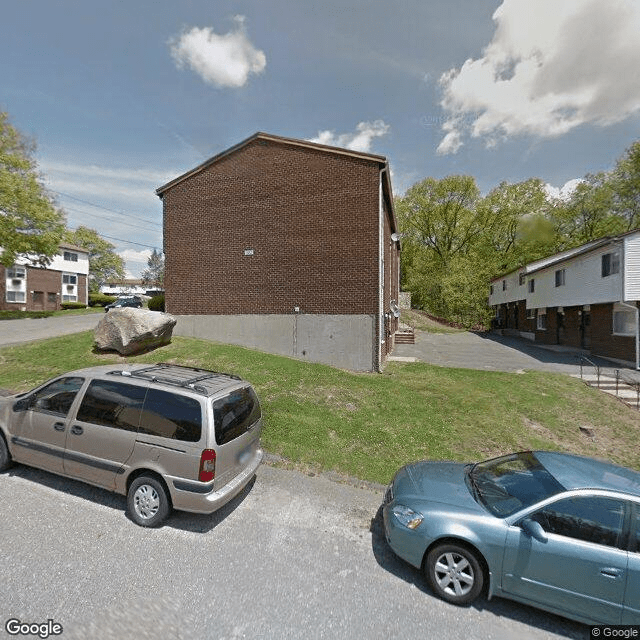
National Drive, Waterbury, CT 06705
To contact a resident: (203) 537-1130
For more information about senior living options: (866) 208-4318
Southford Park Costs & Pricing
Southford Park presents an attractive option for those seeking affordable housing in comparison to the broader market in New Haven County and the state of Connecticut. For instance, the monthly cost for a one-bedroom unit at Southford Park is just $785, significantly lower than the average costs of $6,325 in New Haven County and $6,383 statewide. Similarly, the two-bedroom units at Southford Park are priced at $1,050, which remains competitive against the county's average of $3,671 and the state's average of $5,070. These figures highlight Southford Park as a commendable choice for individuals or families looking for quality living at a fraction of the cost found elsewhere in the region.
| Floor plans | Southford Park | New Haven County | Connecticut |
|---|---|---|---|
| 1 Bedroom | $785 | $6,325 | $6,383 |
| 2 Bedrooms | $1,050 | $3,671 | $5,070 |
Senior living communities with a similar price nearby
-
from +$52 / mo
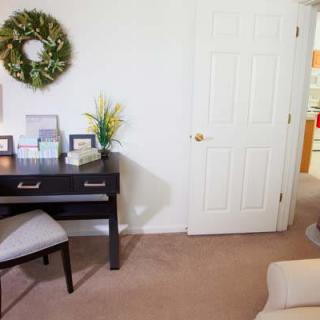
Orchard Ridge
$837 to $947 / month20.2 miles away -
About the same
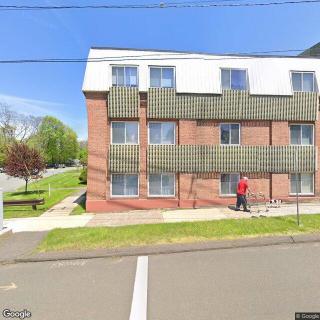
Silverpond Apartments
$775 to $900 / month16.5 miles away -
from -$135 / mo
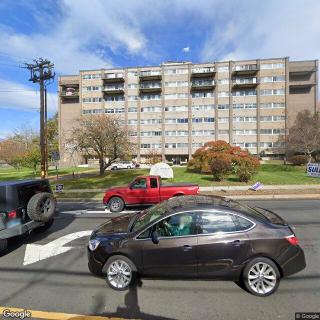
Victoria Towers
$650 to $750 / month15.8 miles away -
About the same

Sage Pond Place
$765 / month18.0 miles away -
from -$25 / mo
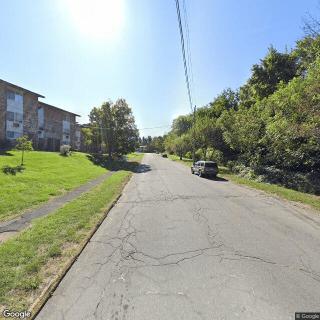
Meadoway Apartments
$760 to $920 / month21.8 miles away
Overall Review of Southford Park
Pros
 The place is a great spot.
- The place is comfortable and quiet.
Cons
 They are horrible at what they do.
- They can't fix things; they break them.
- They never come to fix things.
- The screen door has been broken for a week and they won't fix it.
- The place is infested with rodents.
- The situation is extremely annoying.
Review
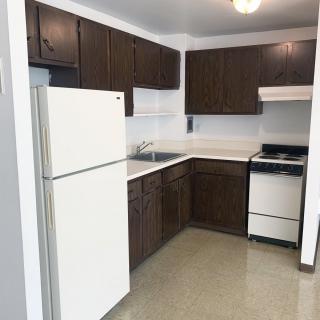
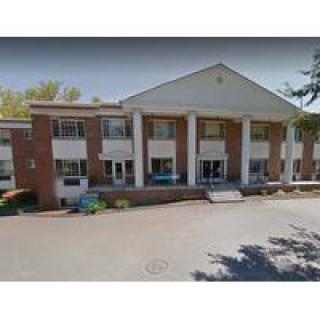
Southford Park in Waterbury, CT is best suited for seniors who prize a quiet, residential mood and a comfortable, home-like setting over high-intensity programming or medical-centric care. The community’s appeal rests in predictable routines, approachable common areas, and a living environment that feels less institutional than many options. For residents who can manage occasional maintenance needs with reasonable expectations, the ambiance and ease of day-to-day living can be a meaningful fit. It is not the place for someone who requires frequent, rapid-response repairs or advanced safety measures as a core guarantee.
Those weighing alternatives should recognize that several reviewers raise red flags about responsiveness and safety. Families prioritizing consistently reliable maintenance, prompt repair turnaround, and robust pest control will want to compare options carefully. The same holds for anyone who views security and timely service as non-negotiable. In Waterbury and the surrounding area there are communities with stronger reputations for rapid maintenance escalation and more proactive management, and those options deserve serious consideration for residents with critical care or safety needs.
On the upside, the positive notes describe a setting that feels comfortable and quiet, with residents and visitors often finding the atmosphere conducive to a low-stress daily rhythm. The “great spot” sentiment points to pleasant common areas and a feel-good approach to daily living when operations run smoothly. For someone who values a serene home environment, these factors can translate into steadier routines, fewer disruptions, and an easier adjustment for new residents or spouses sharing living spaces.
Yet the negatives are substantial and should not be minimized. Maintenance issues reportedly persist, with items left unfixed for long periods and even essential repairs delayed during inclement weather. A broken screen door that slams shut and remains unfixed, along with complaints about snow week service delays, signals a maintenance culture that may lag under pressure. Equally troubling are notes about rodent infestations, which raise legitimate concerns about sanitation, resident comfort, and overall health safeguards. Taken together, these factors erode daily security and reliability, the very foundations families seek in senior housing.
The key question becomes whether the pros can meaningfully offset the cons for a given resident. For those who are largely independent and place a premium on a calm, homelike environment, the positives may still offer reasonable value, provided maintenance responsiveness improves and pest control proves effective through a documented plan and consistent execution. However, for seniors who rely on dependable repairs, stringent safety protocols, or who are especially vulnerable to pests or environmental hazards, the current drawbacks overwhelm potential benefits. The decision hinges on tolerance for occasional service gaps and the presence of a solid, verifiable track record in problem resolution.
Practical next steps are essential. Prospective families should request a candid tour focused on maintenance workflows: average response times, after-hours service, and the current repair backlog. Ask for the pest control schedule and recent incident logs, and seek to speak with residents about how repairs were handled during weather events. Review security features, staff coverage during nights and weekends, and any local crime data that might inform comfort levels. Compare directly with nearby communities that demonstrate stronger maintenance reliability, more aggressive pest management, and clearer accountability. If those benchmarks align with the family’s expectations, Southford Park may still be a viable option; if not, there are better-matched communities that will deliver steadier service, safer living, and fewer disruptive compromises.
 Active Adult Communities (55+)



 Ten Vital Duties of a Senior Caregiver: A Comprehensive Guide
 9 Stimulating Memory Activities for Seniors: Puzzles, Cards, and Much More
 Managing Nursing Home Expenses After Medicare Coverage Ends