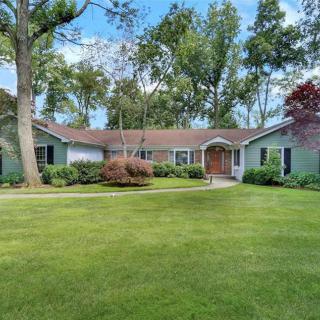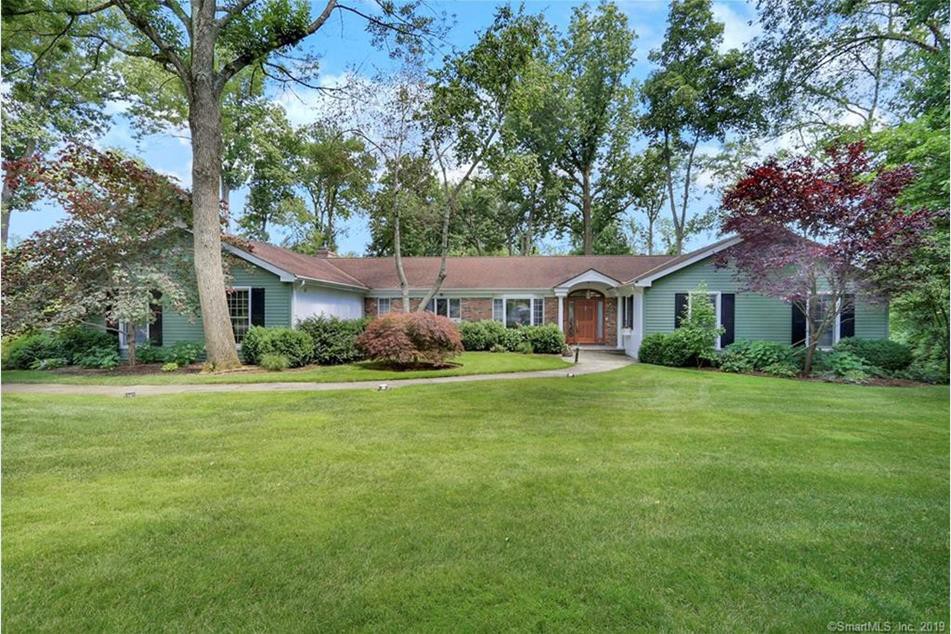
27 5th St, Stamford, CT 06905
For more information about senior living options: (866) 208-4318
Sunshine Senior Residence Costs & Pricing
At Sunshine Senior Residence, the monthly cost for a private room is set at $5,000, providing an attractive option when compared to the broader market rates in Fairfield County and Connecticut. In Fairfield County, similar accommodations average around $5,675, while across the state of Connecticut, the costs hover at approximately $5,479. This positioning not only highlights Sunshine Senior Residence as a competitively priced alternative but also emphasizes its commitment to providing quality care in a welcoming environment. By offering lower monthly costs than many of its peers, Sunshine Senior Residence stands out as a valuable choice for families seeking supportive living arrangements for their loved ones.
| Floor plans | Sunshine Senior Residence | Fairfield County | Connecticut |
|---|---|---|---|
| Private | $5,000 | $5,675 | $5,479 |
Memory care communities with a similar price nearby
-
About the same
Arbor Terrace Norwood
$5,000 to $10,070 / month21.9 miles away -
About the same
Atria Stamford
$4,895 to $10,095 / month0.2 miles away -
from -$305 / mo

Hearthstone Alzheimer's Care - White Plains
$4,695 to $5,895 / month11.7 miles away -
from -$450 / mo

Whisper Woods of Smithtown
$4,550 to $6,650 / month21.8 miles away -
from +$800 / mo
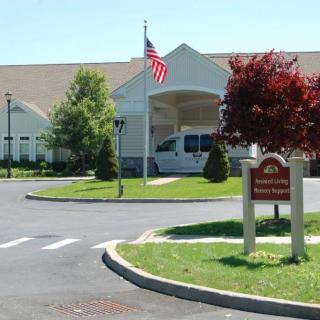
Yorktown Assisted Living Residence
$5,800 to $11,500 / month21.8 miles away
Overall Review of Sunshine Senior Residence
Pros
 Sunshine's small group homes brought calm, reduced agitation, and happiness to Susan.
- The environment felt like home, and the aides treated her with love as a family member.
- She was kept clean and well-groomed, with hair brushed and styled.
- The staff showed genuine care for her well-being and needs.
- Any issues were addressed immediately, with prompt return calls.
- Daily updates on meals, clothing, and activities kept the family connected.
- Hospice worked seamlessly with Sunshine, allowing her to remain at home.
- Gary and his team provided amazing, attentive care; the homes were clean, pleasant, and accessible, with proactive staff.
Review
Sunshine Senior Residence in Stamford is best suited for families seeking a compact, home-like setting for a loved one who benefits from intensely personal care and predictable routines. The model here is clearly the small-group home approach, where warmth, familiarity, and close daily contact with caregivers can transform a resident who once seemed unsettled in a larger, more institutional environment. The strongest fit is for memory-care needs at a level where a highly individualized cadence of care, regular reassurance, and steady oversight matter most. When a transition from a bigger facility is contemplated, Sunshine offers a compelling alternative that prioritizes comfort, dignity, and the feeling of “being at home.”
The central advantages are tangible: a living arrangement that feels less like an institution and more like a family residence. Families report immediate, positive shifts in mood and behavior for residents, with calmer, less agitated days and a sense of contentment that is hard to achieve in larger settings. Caregivers treat residents as cherished individuals, attending to grooming and presentation with pride and consistency. The response to issues is swift, with a culture of open communication and reliable contact. Daily updates, about meals, outfits, outings, and participation in activities, create a steady stream of reassurance for families who want to stay closely informed without having to chase information.
Cleanliness, accessibility, and a general sense of order reinforce the home-like atmosphere. The homes are described as pleasant and well-maintained, with aides who stay on top of problems as they arise. This environment, paired with attentive staffing, translates into a reliable level of daily experience for residents and a clear sense of peace for family members. The care team’s ability to coordinate with Hospice and other supportive services when needed is noted as a seamless, collaborative process, underscoring a practical advantage of the Sunshine model: comfort and continuity at all stages of illness, not just during routine days.
There are legitimate reasons why Sunshine may not fit every situation. For families whose loved one requires intensive on-site medical oversight, a very broad activity calendar, or access to a wide array of therapies and on-site specialists, a larger memory-care campus or a skilled-nursing facility might be more appropriate. The small-group format, while its strength, can feel less expansive in terms of medical staffing, program breadth, and resource depth. In such cases, the appeal of Sunshine’s intimate setting may be outweighed by a desire for more robust medical infrastructure, more diverse social programming, or additional 24/7 on-site nursing coverage.
Still, the strengths here often offset those potential drawbacks in practical, meaningful ways. The closeness of staff-resident relationships translates into heightened trust and a quicker, more personalized response to changing needs. Regular, transparent updates give families a steady line of sight into daily life, which reduces anxiety about care quality. The integration of hospice or palliative care teams within the Sunshine framework creates a coherent, patient-centered end-of-life experience that many families value deeply. For residents who benefit from a calm, home-like routine and the sense that caregivers truly know their preferences, Sunshine delivers a level of stability that is hard to replicate in larger settings.
For families deciding where to place a loved one, Sunshine Senior Residence represents a clear, practical choice when the priority is warmth, attentiveness, and consistent caregiver engagement. If the decision weighs heavily toward medical intensity, breadth of programs, and a larger care ecosystem, alternatives with bigger staffing footprints and more comprehensive on-site medical resources should be considered. A thoughtful next step is a guided visit: observe the staff–resident interactions, assess how well the daily rhythm aligns with the loved one’s preferences, and ask pointed questions about staffing ratios, memory-care specifics, and how the facility coordinates with external medical and supportive services. The goal is to confirm that Sunshine’s intimate, attentive model will deliver the stability, comfort, and peace of mind the family seeks.
 Assisted Living
 Memory Care
 Cable or satellite TV
 Dining room
 Fully furnished
 Garden
 Housekeeping services
 Move-in coordination
 Outdoor space
 Telephone
 Wi-Fi/high-speed internet available
 Westchester Cty (9 miles away)
 24-hour supervision
 Activities of daily living assistance
 Assistance with bathing
 Assistance with dressing
 Assistance with transfers
 Diabetes diet
 Hospice waiver
 Meal preparation and service
 Medication management
 Mental wellness program
 Special dietary restrictions
 Transportation arrangement (medical)
 Transportation to doctors appointments




 22 Remarkable Caregiver Support Groups Available Online and In-Person
 Understanding Medicaid Coverage for Assisted Living: A Comprehensive Guide
 How and When Medicaid May Cover Assisted Living Costs