
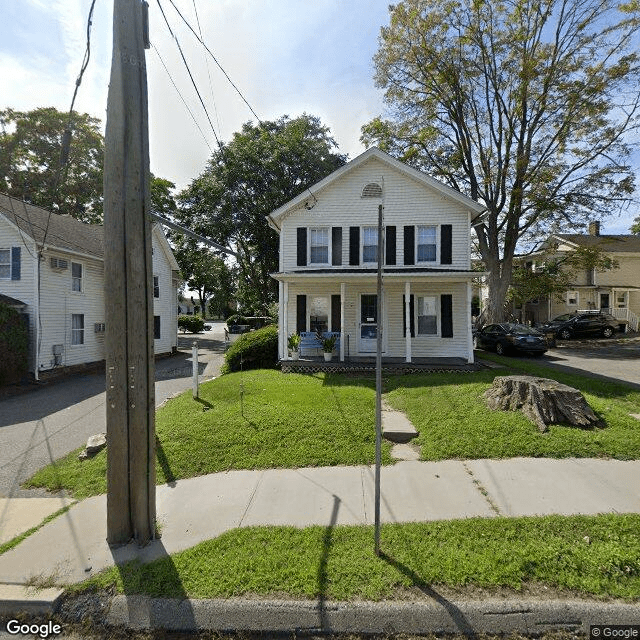
17 East St, New Milford, CT 06776
To contact a resident: (860) 354-7698
For more information about senior living options: (866) 208-4318
Geron Nursing & Respite Care Costs & Pricing
At Geron Nursing & Respite Care, the monthly cost for a private room is set at $5,070. This figure positions Geron competitively within Litchfield County, where the average cost for similar accommodations is notably lower at $3,779. However, when compared to the broader Connecticut state average of $5,479 for private nursing facilities, Geron's pricing appears more favorable. This suggests that while Geron may be somewhat higher than local options, it offers an appealing alternative in terms of quality and care when juxtaposed with state averages. Overall, potential residents and their families can consider these costs while assessing the value of services provided at Geron Nursing & Respite Care.
| Floor plans | Geron Nursing & Respite Care | Litchfield County | Connecticut |
|---|---|---|---|
| Private | $5,070 | $3,779 | $5,479 |
Senior living communities with a similar price nearby
-
from -$975 / mo

Keystone Place at Newbury Brook
$4,095 to $5,795 / month20.0 miles away -
from -$170 / mo

The Ivy at Watertown
$4,900 to $7,450 / month16.0 miles away -
from -$970 / mo

Benchmark Senior Living At Ridgefield Crossings
$4,100 to $6,050 / month18.0 miles away -
from -$970 / mo

The Village At East Farms
$4,100 to $7,250 / month21.6 miles away -
from -$467 / mo

Newtown Rehabilitation & Health Care Center
$4,603 to $5,739 / month15.6 miles away
Overall Review of Geron Nursing & Respite Care
Cons
 They describe the owners and leadership at Geron as extremely greedy.
- They state that money comes first, not patients and employees.
- They would avoid the agency for this reason.
Review
This community is best suited for families that place cost control above all other factors and are willing to tolerate a management approach that critics describe as profit-driven. In New Milford, Geron Nursing & Respite Care appears to serve a niche where price sensitivity trumps assurances about residents’ well-being, a stance that will only appeal to those who are prepared to navigate questions of value, staffing, and governance with a critical eye.
Two independent reviews present a consistent, blunt verdict: the owners and operators are seen as prioritizing money over patients and over the people who care for them. The core concern is that a profit-first mindset drives decisions that compromise care quality and employee morale, leaving residents and their families left to wonder whether sufficient attention is paid to day-to-day safety, attentiveness, and responsive problem solving. In practical terms, that paints a picture of an environment where financial considerations may overshadow residents’ needs.
Explicitly, that conclusion should steer families toward alternatives. For anyone who values reliable, resident-centered care, transparent pricing, steady staffing, and accountable leadership, other facilities are a clearer, safer bet. The negative feedback does not suggest minor friction or occasional missteps; it portrays a pattern that undermines trust in how residents are treated, how staff are supported, and how concerns are addressed. In short, the takeaway is to consider other options before deciding to commit to this community.
On balance, the perceived pros that might tempt a decision, such as potential cost savings or the convenience of local location, do not meaningfully offset the dominant cons described in the feedback. If any advantages exist, they are unsubstantiated in the available remarks and are overwhelmed by claims that care decisions are driven more by revenue than by residents’ welfare. Without credible, verifiable evidence of superior stewardship or demonstrable improvements in staffing and resident experience, the financial upside rings hollow against the risk of compromised care.
For families still weighing the option, practical diligence is essential. Seek a detailed, written explanation of billing practices and any fees beyond base rates, and request a face-to-face meeting with the administrator to review how staffing levels are determined, who supervises direct care, and how concerns are escalated. Access the state inspection history and complaint records, and speak directly with current residents or their families about day-to-day interactions, responsiveness, and medication handling. Plan a comprehensive tour that focuses on observed care, cleanliness, and the cadence of ordinary care tasks to form an independent read on day-to-day reality.
In the end, the prudent choice informed by the available feedback is to pursue alternatives unless there is an unavoidable constraint forcing consideration here. The consensus in the reviews points to a management culture that prioritizes profits over residents and staff, a dynamic that any family seeking steady, compassionate senior care should actively avoid. If this facility remains under consideration, approach with rigorous safeguards, insist on tangible proof of quality and staffing, and prepare to pivot quickly if promises do not translate into reliable, person-centered care.

 Close to parks, cafes, dining options, pharmacies, doctors, and a hospital.




 Understanding the Nuances of Palliative Care and Hospice: A Comprehensive Exploration
 Fecal Incontinence in Older Adults: A Comprehensive Guide
 Recognizing the Journey: Understanding and Navigating Anticipatory Grief