

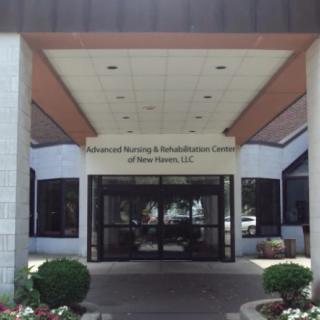
116 Sherman Avenue, New Haven, CT 06511
To contact a resident: (203) 745-2126
For more information about senior living options: (866) 208-4318
Overall Review of Griswold Home Care
Pros
 Griswold Home Care provides exceptional caregivers who bring kindness and professionalism to the home.
- The office staff are highly communicative and quick to respond, with 24/7 telephone support that gives families peace of mind.
- They are responsive and consistently ensure a new caregiver is available when needed.
- Their dedication to meeting families’ needs and compassionate approach makes a world of difference.
- Griswold Home Care is highly recommended for reliable and caring in-home assistance.
- The staff are reliable, skilled, and genuinely care about clients.
Cons
 The staff at this location are incompetent.
- The human resources coordinator is clueless and not trained properly on hiring protocols.
- The other company was hard to reach, not completely upfront, and offended when they learned that they were interviewing multiple providers to secure the best care for the father.
Review
Griswold Home Care in New Haven, CT is best suited for families seeking dependable, compassionate in-home care that prioritizes caregiver continuity, clear communication, and rapid responsiveness. It works well for seniors who want to remain in their own home, with schedules that can flex around medical appointments, daily routines, and family needs. The service shines when peace of mind matters: reliable caregivers, a responsive office, and a 24/7 support line that lets families reach someone at any hour. For households that place a premium on polite, professional staff who show up on time and stay engaged with both client and family, Griswold delivers a practical, hands-on caregiving solution.
The strongest selling points lie in the quality of the caregivers and the reliability of the administrative team. Reviews repeatedly highlight caregivers who are kind, professional, and genuinely invested in the client’s well-being. Jessica Anderson stands out as a benchmark: responsive, thorough, and able to navigate difficult moments with grace, all while maintaining clear, honest communication about care plans. Office staff are described as communicative and quick to respond, with the capacity to arrange replacements swiftly when needed. Taken together, these elements translate into real peace of mind for families who worry about care continuity and the emotional tone a caregiver brings into the home.
Yet the program is not without its blemishes. A recurring concern centers on the front-end hiring and onboarding side of the operation, with at least one reviewer labeling the human resources function as incompetent and ill-trained in hiring protocols. That issue, while not universal in the anecdotes, introduces a potential risk: missteps in caregiver matching or onboarding can disrupt routine, erode trust, and force families into escalations that undermine the overall sense of control that Griswold otherwise affords. Another nuanced dynamic emerges with live-in arrangements, where the caregiver’s professionalism and attention to medication management can clash with a family’s daily rhythms or household preferences, underscoring the need for careful alignment and ongoing communication.
When weighing pros against cons, the scales tilt toward Griswold’s core strengths: dependable care, compassionate engagement, and robust family-facing support largely offset the halo of HR-related friction. The agency appears capable of delivering consistent, skilled caregiving and of recovering quickly when shifts occur, which is crucial for long-term in-home care. However, the risk posed by hiring process weaknesses should not be dismissed. Families should proactively request a named care coordinator, insist on a thorough caregiver matching profile, and establish a formal, written plan with agreed milestones and escalation paths. In short, the positive daily realities, competent, caring caregivers and accessible office support, can be preserved, but only with explicit governance around onboarding and ongoing supervision.
Alternatives are worth considering for households with heavier medical needs or those seeking a more facility-centered model. If skilled nursing oversight becomes a priority, a licensed home health agency or a traditional assisted living environment may provide that medical layer in a structured setting. For families wanting more predictable caregiver rotation and on-site supervision, a facility-based option offers built-in supervision and batch scheduling that some find reassuring. And for those who have encountered persistent HR gaps, exploring another reputable agency with a stronger track record on onboarding and caregiver retention may be prudent. Griswold remains a compelling option, but it is not the only route to safe, dignified in-home support.
Bottom line: Griswold Home Care is a practical, high-quality choice for most families seeking in-home support that emphasizes warmth, reliability, and responsive communication. It delivers genuine value through skilled, compassionate caregivers and a system that supports continuity of care. The main caveat is the potential wear from HR missteps, which can ripple into caregiver consistency and planning. For households comfortable with proactive governance, assessing caregiver fit, demanding transparent onboarding, and leveraging the 24/7 line, Griswold offers a sound, effective path to keeping an aging loved one safely at home. Those who require stronger medical oversight, stricter staffing guarantees, or a more formal facility environment should evaluate alternatives that align with those needs.








 Caregiver Exhaustion: Recognizing the Signs and Restoring Your Well-Being
 Understanding Hospice Care at Home: Comprehensive Services, Key Benefits, and Eligibility
 Understanding the Full Cost of 24/7 In-Home Care: A Detailed Overview