
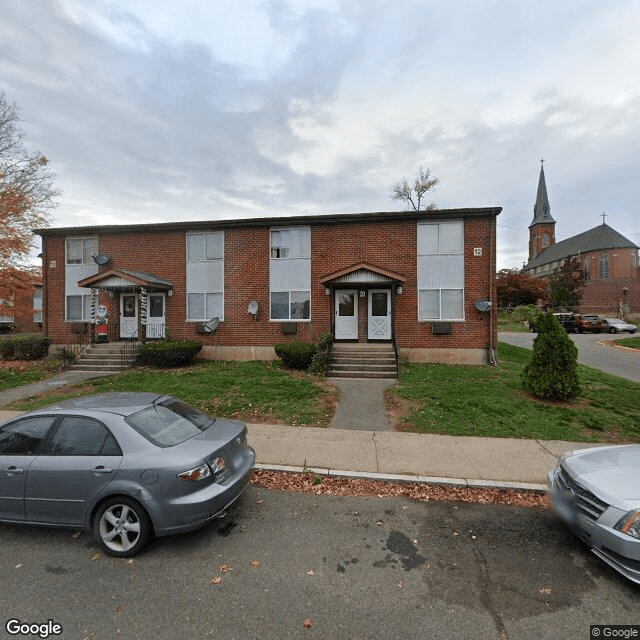
40 Park St, Meriden, CT 06450
To contact a resident: (203) 886-0088
For more information about senior living options: (866) 208-4318
Overall Review of Home Health Aide
Pros
 They describe Utopia as a great company with five stars all around.
- The staff are very professional and caring.
- The nurses are caring, professional, and personable.
- They would definitely tell people to use the company.
- Utopia has attentive staff who respond quickly to referrals, even late in the day.
- They maintain open communication, leading to a successful transition home for rehab patients.
- Referrals have been satisfied with care and services, with no negative feedback post-discharge.
- Utopia offers great care with amazing nursing staff who are compassionate, knowledgeable, and highly professional.
- The agency is wonderful to work with, helpful with clients, scheduling, and prompt responses.
- Clients have nothing but good things to say about Utopia and the care they provide.
- Knowledgeable nurses and staff make the experience better.
Cons
 The care was very poor, with state deficiencies cited this past spring.
- They never call when aides call out, there is no staff to cover emergencies, and changes are made without consent.
- They are horrible, uncaring, and unprofessional; a PCA they sent to the house faced a criminal complaint, and the supervisor dismissed it and wouldn’t apologize.
Review
This Meriden, CT Home Health Aide community is best suited for families that prioritize strong clinical oversight and a well-coordinated path from hospital to home. The program shines when skilled nursing, attentive communication, and proactive discharge planning are the primary filters for choosing care. Those who demand flawless, shift-by-shift staffing with guaranteed coverage and zero risk of gaps should consider alternatives. Across the reviews, a clear pattern emerges: high praise for clinical competence and responsive coordination in many cases, but persistent worries about staffing reliability and some troubling interactions that can undermine trust in care delivery.
On the strength side, the nursing team is repeatedly described as caring, knowledgeable, and professional. Families report nurses who communicate well, explain treatment plans clearly, and provide the hands-on clinical support essential for recovery and ongoing health management at home. The agency’s ability to respond to referrals promptly and keep lines of communication open is highlighted as a decisive factor in smooth transitions from rehab to home. When the care team operates at full strength, families experience a sense of assurance that medical needs are being met with competence and compassion.
Administrative responsiveness also matters in several positive accounts. Reviewers commend scheduling practicality, helpful coordination with therapists and doctors, and staff who maintain open channels for updates and questions. This combination, strong clinical care paired with reliable administrative touchpoints, often translates into fewer surprises, more predictable care outcomes, and greater confidence for families navigating post-hospital recovery. In these moments, the agency earns trust by delivering a coherent, patient-centered care experience that supports both the client and the family.
Yet the negative experiences cannot be ignored. A subset of reviews surfaces significant concerns about staffing stability and emergency coverage, including instances where aides call out and no suitable substitute is available, or changes to care plans are made without family consent. One account details a criminal complaint involving a PCA and a dismissive supervisor response, which raises serious questions about accountability and professional standards. Another mention of state deficiencies adds to the caution flag: while not universal, these reports point to real risks when oversight and contingency planning falter. These threads indicate that reliability and conduct are not universally consistent.
What those positives offset hinges on the family’s tolerance for risk and the capacity to enforce safeguards. The strongest justification for this agency lies in its clinical quality and its proven ability to coordinate care around hospital discharge. For families willing to demand concrete protections, such as a dedicated case manager, guaranteed backup staffing, and explicit, consent-based change protocols, the upsides can be substantial. The main counterweight remains the potential for staffing gaps and variable professional conduct; without firm guarantees, trust can erode quickly. Prospective buyers should push for written contingency plans and recent, verifiable references before committing.
In the end, this community serves best those who prize high-caliber nursing and purposeful transition support and who are prepared to monitor staffing reliability closely. For families requiring near-perfect coverage with minimal risk of any caregiver gaps, exploring alternatives with stronger assurances across shifts and robust complaint-resolution processes is advisable. When evaluating, demand specifics on backup coverage, clear escalation paths for issues, and a transparent track record of responsiveness. A cautious, evidence-driven approach, including a trial period and measurable care benchmarks, will reveal whether the benefits of clinical excellence outweigh the potential downsides in Meriden’s home health landscape.







 A Detailed Exploration of Living Wills and Advance Directives
 Comprehensive Guide to Medicare Coverage for Hospice Care
 Caring for Those Who Care: Recognizing, Understanding, and Overcoming Caregiver Burnout